

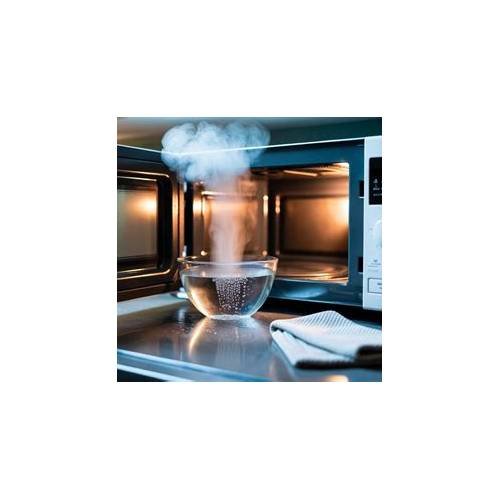
Steam cleaning is one of the simplest ways to clean a microwave without using sprays, vinegar, or other cleaning products. All you need is a microwave-safe bowl, water, and a soft cloth or sponge.
Heating the water creates steam that loosens dried food and softens grease on the microwave’s interior surfaces. After a few minutes, most residue should wipe away more easily. This method is best for routine cleaning and light to moderate buildup. Very old, burned-on stains may need several treatments or additional cleaning steps.
What you need
- A microwave-safe bowl or measuring jug
- About 1 cup of water
- A soft microfiber cloth, sponge, or paper towel
- Dry kitchen towels
- Optional: a clean, soft toothbrush for corners and door seals
Use a bowl that is clearly labeled microwave-safe and large enough to hold the water without spilling. Avoid metal containers, metallic trim, and dishes with metallic paint or decoration.
How to steam clean a microwave with water
1. Empty the microwave
Remove plates, containers, food, and any removable accessories. Take out the turntable and roller ring if your model allows this. Wash these parts separately with warm water and dish soap, then set them aside to dry.
Removing the turntable gives you better access to the microwave floor and helps prevent crumbs from being pushed around while you clean.
2. Add water to a microwave-safe bowl
Pour approximately 1 cup of water into the bowl. You do not need to add vinegar, lemon, detergent, or any other ingredient for this water-only method.
Place the bowl near the center of the microwave. Keeping it stable and upright helps reduce the chance of spills when you remove it.
3. Heat the water until steam forms
Heat the bowl on high for about 5 minutes. The exact time depends on your microwave and the amount of water, so follow the appliance manufacturer’s guidance if it specifies a different setting or time.
Stay nearby while the microwave runs. The goal is to create plenty of steam, not to boil the bowl dry. Stop the cycle if the water has nearly evaporated.
4. Let the steam sit inside
When the heating cycle ends, leave the microwave door closed for another 2 to 5 minutes. This resting period allows the steam to spread across the walls, ceiling, floor, and door, helping soften stuck-on food.
Do not open the door immediately if the bowl or the interior appears extremely hot. Steam can cause burns, especially when the door is opened close to your face.
5. Remove the bowl carefully
Use oven mitts or a thick, dry towel to lift out the bowl. The water and container may be hot even after the microwave has stopped. Keep your hands and face away from escaping steam as you open the door.
Set the bowl on a heat-resistant surface. Do not use or drink the heated water afterward.
6. Wipe the interior
Use a damp microfiber cloth or soft sponge to wipe the ceiling, side walls, back wall, floor, and inside of the door. Start with the loosest residue and work toward areas with heavier buildup.
For a particularly dirty microwave, rinse the cloth frequently and wipe the surfaces again. A clean, damp cloth prevents softened grease from being spread back over the interior.
7. Clean the edges and door seal
Food often collects around the lower door edge, hinges, corners, and the area where the door meets the microwave frame. Wipe these areas gently with a damp cloth.
If residue is trapped in a narrow corner, use a soft toothbrush or cotton swab dampened with water. Avoid scraping the seal or forcing liquid into openings, vents, controls, or electrical components.
8. Dry and reassemble the microwave
Use a dry towel to remove remaining moisture from the interior. Wash and dry the turntable and roller ring before putting them back in place.
Leave the door open for a short time if the interior is still damp. A dry interior helps prevent lingering moisture and odors between uses.
Why steam helps clean a microwave
Water vapor does not disinfect or dissolve every type of residue, but it can make routine cleaning easier. The heat and moisture loosen dried splashes and soften grease, reducing the amount of scrubbing needed.
Steam is especially useful for food spots that have dried onto the ceiling or side walls. It can also loosen residue around the door, although thicker deposits may require a second treatment.
For a broader water-based cleaning routine, see this step-by-step guide to cleaning a microwave with water. It covers the general process while this guide focuses specifically on using steam to loosen messes.
How to deal with stubborn residue after steaming
Steam cleaning may not remove every mark in one cycle. If food remains stuck:
- Run the water-steaming process for a second cycle, making sure the bowl still contains enough water.
- Let the steam sit for a few more minutes after heating.
- Press a warm, damp cloth against the spot for a short time.
- Wipe gently with a non-abrasive sponge.
Do not use steel wool, abrasive powders, sharp tools, or aggressive scouring pads. These can scratch the interior coating, which may make the microwave harder to clean and could contribute to later damage.
If the problem is a dark, burned mark, steam may soften surrounding food without removing the discoloration completely. For that situation, follow a method designed for cleaning burnt microwave stains using water.
Safety precautions for water steaming
- Use only a microwave-safe container. Do not place metal or foil in the microwave.
- Never heat an empty microwave. The bowl must contain water throughout the heating cycle.
- Prevent superheated water injuries. Water can become very hot without appearing to bubble vigorously. Move the bowl slowly and use protection for your hands.
- Watch for escaping steam. Open the door carefully and keep your face away from the opening.
- Do not overheat the water. Stop before the bowl boils dry, and follow your microwave’s instructions where applicable.
- Keep moisture away from controls and vents. Use a damp cloth rather than pouring or spraying water inside the appliance.
- Unplug before deeper cleaning if needed. If you need to clean around the exterior or inspect a problem, follow the manufacturer’s safety instructions.
Common mistakes to avoid
Using too little water
A small amount may evaporate before enough steam develops. About 1 cup is a practical starting point, but the correct amount can vary by microwave and container.
Wiping too soon
Steam needs time to soften food. Waiting a few minutes after the heating cycle can make the residue easier to remove.
Scrubbing with abrasive materials
Hard scouring pads and sharp objects can damage the microwave’s interior. Use repeated steaming and gentle wiping instead.
Ignoring the turntable and roller ring
These parts collect spills and crumbs that can create odors. Remove and wash them separately rather than leaving them in place during every cleaning.
Letting spills build up
Steam works best before food has been repeatedly baked onto the surface. Wiping fresh splashes once the microwave has cooled is usually easier than removing old buildup.
How often should you steam clean a microwave?
Steam clean the microwave whenever dried food or grease becomes difficult to wipe away. For a lightly used appliance, occasional cleaning may be enough. A microwave used several times a day may need a quick wipe more often and a steam treatment whenever residue begins to harden.
For small spills, a damp cloth may be all you need. For dried food, use the steam method first. If the main issue is an unpleasant smell rather than visible grime, see this guide to removing bad microwave smells with water.
Frequently asked questions
Can I steam clean a microwave with water only?
Yes. Water alone can create steam that loosens many dried food splashes and grease spots. It may not remove every burned stain or eliminate all odors, but it is a useful first step for routine cleaning.
How much water should I use?
Start with about 1 cup of water in a microwave-safe bowl. The bowl should be large enough to prevent splashing, and the water should not be heated until the container is dry.
How long should I microwave the water?
About 5 minutes on high is a common starting point, followed by a few minutes with the door closed. Microwave power and container size vary, so adjust the time conservatively and follow the appliance manual if it gives specific instructions.
Can I leave the microwave running while I clean another room?
No. Stay nearby while heating water. Monitor the cycle so the water does not evaporate completely, and stop the microwave if you notice a problem.
Will steam remove a burnt smell?
It may loosen odor-causing residue, but water steam alone may not remove a strong or persistent smell. Clean the interior, turntable, and roller ring thoroughly, then allow the microwave to dry with the door open. If food residue is dried onto the surface, a separate water-based method for removing dried food may help.
Can I use a paper towel to wipe the microwave?
Yes, a paper towel can work for light cleaning, but a soft microfiber cloth or non-abrasive sponge is usually more effective for softened grease and stuck-on food. Use a fresh or rinsed cloth so you do not spread residue.
Final thoughts
To steam clean a microwave with water, heat about 1 cup of water in a microwave-safe bowl for roughly 5 minutes, let the steam sit for a few more minutes, and carefully wipe the softened residue. Work gently, protect yourself from hot steam, and never allow the bowl to boil dry.
This simple method is safe for regular maintenance when used according to your microwave manufacturer’s instructions. Repeating the process is usually better than using harsh tools or abrasive cleaners on the interior.
