

A washing machine removes dirt from your clothes, but detergent residue, fabric softener, minerals, lint and moisture can build up inside the machine over time. That buildup may cause unpleasant smells, marks on laundry and poor drainage.
Cleaning a washing machine is usually straightforward. The most important areas are the drum, detergent dispenser, door seal, lid, drain filter and the surfaces around the machine. This guide explains how to clean a washing machine safely, whether you have a front-loading or top-loading model.
Before you begin, check your owner’s manual. Cleaning instructions vary by brand and model, particularly for the recommended washer-cleaning cycle, drain filter and cleaning products.
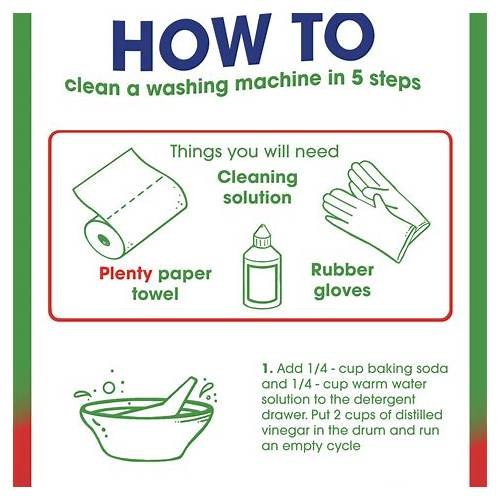
What you need to clean a washing machine
- A clean microfiber cloth or soft sponge
- An old soft toothbrush or small cleaning brush
- Warm water
- A mild dishwashing liquid or general-purpose cleaner suitable for the machine’s exterior
- A washing-machine cleaner, if recommended by the manufacturer
- An old towel or shallow tray for cleaning the drain filter
- Rubber gloves, especially when handling dirty water or cleaning products
Some people use white vinegar or baking soda for household cleaning. However, washing-machine manufacturers do not all recommend these products, and repeated use of acidic products may affect rubber parts or seals. Use a purpose-made washing-machine cleaner when your manual recommends one, and never combine different cleaning chemicals.
How to clean a washing machine in 8 steps
1. Empty the machine and switch it off
Remove every item of clothing from the drum, including small socks or items that may be caught near the door seal. Turn the machine off and unplug it if you will be cleaning around electrical components, the door seal or the drain filter.
Do not begin a cleaning cycle with clothes inside. A washer-cleaning cycle is intended to flush the empty machine, not wash laundry.
2. Run the machine’s cleaning cycle
Many newer washing machines include a cycle called Tub Clean, Drum Clean, Clean Washer or something similar. Select that cycle and follow the instructions in the manual. Some machines require a cleaning tablet or liquid cleaner, while others are designed to run with an empty drum.
If your machine does not have a dedicated cleaning cycle, select the hottest suitable empty cycle available. Use a washing-machine cleaner only according to its label and the machine manufacturer’s instructions. The cycle should be long enough to allow hot water and cleaning solution to loosen residue inside the drum and associated hoses.
Do not add laundry detergent to a cleaning cycle unless the instructions specifically tell you to. Regular detergent can create excess foam and leave additional residue behind.
3. Wipe the inside of the drum
After the cycle finishes, inspect the drum. Wipe the inside with a clean, damp microfiber cloth, paying attention to the holes, paddles and lower edge of the drum. Remove any loosened lint, hair or residue.
If you can see black, slimy or heavily soiled deposits, repeat the manufacturer’s cleaning process rather than scrubbing aggressively with a harsh abrasive. Scratches and damaged coatings can make surfaces harder to keep clean.
4. Clean the door seal or lid area
Front-load washing machines have a flexible rubber door gasket that can trap water, lint, hair and detergent residue. Gently pull back each fold of the gasket and remove anything caught inside.
Wipe the seal with warm water and a soft cloth. For stubborn residue, use a small amount of mild detergent diluted in water, then wipe the area again with clean water. Dry the gasket thoroughly, including the lower folds where water commonly collects.
Check the gasket for tears, distortion or persistent mold that does not respond to normal cleaning. A damaged seal can leak and may need to be replaced by a qualified technician.
On a top-loading washer, clean beneath the lid, around the rim and near the hinges. These areas can collect detergent splashes, lint and moisture even though they do not have a front-door gasket.
5. Wash the detergent and fabric-softener dispenser
Remove the detergent drawer if it is designed to come out. Many drawers have a release tab or a section that must be lifted before the drawer can be removed. Do not force it; consult the manual if you cannot identify the release mechanism.
Rinse the drawer under warm running water and use an old toothbrush to clean the corners, siphon tubes and small openings. Fabric softener is especially likely to form a sticky film in the dispenser.
Wipe the empty dispenser cavity inside the machine. Residue can collect on the ceiling and sides of the cavity, where it may be missed if you only wash the removable drawer.
Let the parts dry, then reinstall the drawer correctly. A partially closed drawer can prevent detergent from flushing into the machine and may cause leaks or buildup.
6. Clean the drain filter
Many front-loading machines have a pump or drain filter behind a small access panel near the bottom front of the machine. The filter catches coins, hair, lint and other objects that could obstruct the drain pump. Some top-loading models also have a filter, while others are designed differently.
Check the manual before opening the filter. Place an old towel and shallow container beneath the access point because trapped water may drain out. Open the filter slowly, release the water, then remove and rinse the filter as directed.
Clear away visible debris, but do not use sharp tools that could damage the filter or pump. Check the filter housing for small objects and wipe it carefully. Refit the filter tightly according to the manufacturer’s instructions, then close the access panel.
If the machine continues to drain slowly, makes an unusual noise or displays a drainage error after the filter is clean, stop using it until the issue has been assessed. The obstruction may be deeper in the drain hose or pump.
7. Wipe the exterior and controls
Use a soft, slightly damp cloth to wipe the top, front, sides, lid and control panel. Apply cleaner to the cloth rather than spraying liquid directly onto buttons, displays, seals or electrical openings.
For greasy marks, use a small amount of mild dish soap diluted in water, then wipe with a clean damp cloth and dry the surface. Avoid abrasive powders, scouring pads, solvents and products containing ingredients that could damage the finish.
Clean the floor around and beneath the washing machine when possible. Dust, lint and small objects can collect there, while an unnoticed leak may damage flooring or create a slip hazard.
8. Leave the machine open to dry
When cleaning is complete, leave the front door or top lid open so air can circulate. Keep the detergent drawer slightly open as well, if the design allows it. Drying the interior between washes is one of the simplest ways to reduce stale smells and mildew-friendly moisture.
If you have young children or pets, do not leave the door open in a way that creates a safety risk. Follow the safety guidance in the owner’s manual.
How to clean a front-load washing machine
Front-loaders are efficient and convenient, but the horizontal drum and rubber gasket can retain more moisture than an open top-loading tub. When cleaning a front-load washer, give particular attention to these areas:
- The door gasket: Pull back every fold and remove lint, hair and trapped objects.
- The bottom of the door: Wipe away standing water and detergent film.
- The detergent drawer: Clean both the removable drawer and the cavity behind it.
- The drain filter: Empty and clean it according to the manual.
- The door glass: Remove residue from the inside and dry it after cleaning.
Never slam the door or use the gasket as a handle. If the seal is difficult to clean because mold has penetrated the rubber, replacement may be more effective than repeated use of increasingly strong chemicals.
If you own an LG model without a tub-clean cycle, you may find the model-specific instructions in this guide to cleaning an LG washing machine without a Tub Clean cycle. Always compare general advice with the instructions for your exact model.
How to clean a top-load washing machine
Top-load washers generally have easier access to the tub, but their agitator, impeller, lid and dispenser areas still need regular attention. Open the lid and inspect the rim, underside, agitator or wash plate and the area around the tub.
Run the machine’s Tub Clean or equivalent cycle if it has one. If it does not, use the empty hot cycle and cleaning product recommended by the manufacturer. Afterward, wipe around the rim and under the lid with a damp cloth.
Do not climb into the washer or lean heavily on the sides to reach the bottom. If the design makes the base of the tub difficult to access, let the cleaning cycle do the work and use a long-handled soft brush only if the manual permits it.
How often should you clean a washing machine?
For many households, cleaning the washing machine once a month is a practical starting point. A machine may need attention more often if it is used heavily, runs frequent low-temperature cycles, washes heavily soiled items or develops a smell.
Use this routine as a guide:
| Task | Suggested frequency |
|---|---|
| Wipe the door seal, lid and visible moisture | After each wash or several times a week |
| Leave the door or lid open to dry | After each wash, when safe |
| Clean the detergent drawer | Monthly, or sooner if residue appears |
| Run a washer-cleaning cycle | About monthly or as the manual recommends |
| Inspect and clean the drain filter | Every few months, or as directed by the manufacturer |
| Wipe the exterior and floor around the machine | Weekly or as needed |
The best schedule depends on your machine and laundry habits. Follow the appliance manual if it gives a different interval.
How to prevent washing-machine smells and buildup
- Use the correct amount of detergent. More detergent does not necessarily clean clothes better. Excess product can leave a film inside the machine, particularly when using high-efficiency appliances.
- Use the correct detergent type. High-efficiency machines generally require HE detergent. Check the detergent packaging and the appliance manual.
- Do not overfill the drum. Clothes need room to move and rinse properly. Overloading can leave residue behind and may contribute to odor.
- Remove laundry promptly. Wet clothing left in the drum can create a musty smell and transfer moisture to the gasket.
- Dry the gasket and dispenser. A quick wipe removes water before it becomes stagnant.
- Use the right cycle for the load. Very short or cold cycles may not be suitable for every type of heavily soiled laundry.
- Check pockets. Coins, tissues and small objects can block the drain filter or leave debris in the drum.
- Keep the machine level. Excessive movement can damage components and may contribute to leaks or unusual noise.
What not to do when cleaning a washing machine
Safe cleaning is as important as thorough cleaning. Avoid these common mistakes:
- Do not mix bleach, vinegar, ammonia or other cleaning products. Combining chemicals can create dangerous fumes or reactions.
- Do not pour cleaners into an unfamiliar compartment. Use the location specified by the product label and appliance manual.
- Do not spray liquid directly onto the control panel. Moisture can enter openings and damage electrical components.
- Do not use abrasive tools on the drum, glass or seals. Scratches and cuts can lead to further problems.
- Do not open a drain filter without preparing for water. Use a towel and container first.
- Do not use the machine if it is leaking, smoking or producing a burning smell. Unplug it when safe and arrange a professional inspection.
- Do not ignore the manual. A model may have a specific cleaning product, cycle or filter-access procedure.
Why does my washing machine still smell after cleaning?
A lingering smell may come from residue in the door gasket, dispenser cavity, drain filter, drain hose or an area that the cleaning cycle did not reach. Recheck the folds of the gasket and clean the dispenser thoroughly. Confirm that the drain filter is installed correctly and that the machine can drain fully.
Also check whether wet laundry is being left inside, whether too much detergent is being used or whether the door and dispenser are being closed while damp. If the smell returns quickly after repeated cleaning, there may be a drainage, seal or internal plumbing problem that requires service.
Frequently asked questions
Can I clean a washing machine with vinegar?
Some household cleaning advice recommends white vinegar, but it is not suitable for every washing machine. Vinegar is acidic and repeated exposure may affect rubber components or seals, while some manufacturers advise against it. Check your manual first. Never mix vinegar with bleach or any other cleaner.
Can I use bleach to clean a washing machine?
Some manufacturers allow diluted chlorine bleach in a washer-cleaning cycle, while others recommend a dedicated cleaner instead. Use bleach only if the appliance and product instructions permit it, measure it carefully and run any required rinse cycle. Never mix bleach with vinegar, ammonia or other cleaning products.
How do I clean black mold from a washing-machine seal?
Wear gloves, remove loose residue and clean the seal with a product approved for the appliance. Wipe all folds, rinse the surface with clean water and dry it completely. If mold remains embedded in the rubber or the seal is damaged, contact the manufacturer or a qualified appliance technician about replacement.
Should I clean the washing machine with clothes inside?
No. Run a cleaning cycle with the drum empty unless the manufacturer’s instructions specifically state otherwise. Cleaning products and hot cycles are intended to clean the appliance, not laundry.
How do I know whether my washing machine has a drain filter?
Look in the owner’s manual for terms such as drain filter, pump filter or coin trap. On many front-load machines, it is behind a small lower-front access panel. Do not remove a panel or filter if you are unsure of its purpose; consult the manual first.
Why does my washing machine leave residue on clothes?
Possible causes include too much detergent, an overloaded drum, a blocked dispenser, poor drainage or buildup inside the machine. Clean the dispenser and washer, use the recommended detergent amount and avoid exceeding the machine’s capacity. Persistent residue may indicate a mechanical or water-supply problem.
When to call for professional help
Routine cleaning can remove normal residue, but it cannot repair a failing component. Contact the manufacturer or an appliance professional if the washing machine leaks, will not drain, repeatedly shows an error, smells of burning, trips the electrical supply, makes grinding noises or has a damaged door seal.
With regular cleaning, correct detergent use and enough time to dry between loads, your washing machine can stay fresher and work more reliably. A monthly cleaning cycle, frequent wiping of damp areas and occasional filter maintenance are usually enough to prevent everyday buildup from becoming a larger problem.
