

A microwave can collect splatters, dried food, grease, and unpleasant odors surprisingly quickly. The good news is that you do not need a cabinet full of cleaning products to freshen it up. Water, heat, and a soft cloth are often enough for routine cleaning.
This guide explains how to clean a microwave with water safely and effectively. You will learn how to loosen stuck-on messes with steam, wipe the interior without damaging it, clean the turntable, and handle areas that need extra care. Lemon is included as an optional addition for odor control, but plain water is the essential method.
Why cleaning a microwave with water works
Heating water inside the microwave creates steam. That moisture softens dried food and loosens grease from the walls, ceiling, floor, and door. Once the residue has softened, it is much easier to wipe away with a damp microfiber cloth or sponge.
This water-based approach is useful for regular maintenance because it is simple, inexpensive, and does not leave strong cleaning-product fumes inside the appliance. It works best when the microwave has ordinary food splatters or light-to-moderate buildup.
For burnt-on residue, you may need to repeat the process or let the steam sit for longer. Avoid scraping aggressively, since sharp tools and abrasive pads can damage the interior finish.
What you’ll need
- 1 microwave-safe bowl or measuring jug
- 1 cup of water
- A soft microfiber cloth or non-abrasive sponge
- A dry towel
- Optional: half a lemon
- Optional: mild dish soap for the turntable or stubborn exterior residue
Use a container labeled microwave-safe and make sure it is large enough to hold the water without overflowing. Do not use metal, foil, metallic trim, or a container that is cracked or unsuitable for heating.
How to clean a microwave with water step by step
1. Remove loose crumbs and the turntable
Start by taking out the glass turntable and any support ring underneath it. Remove loose crumbs by hand or with a dry paper towel. Taking out the removable parts gives you better access to the microwave floor and prevents food debris from being pushed around during wiping.
Wash the turntable and support ring separately with warm water and a small amount of dish soap. Rinse them well and set them aside to dry. Check the manufacturer’s instructions before placing either part in a dishwasher.
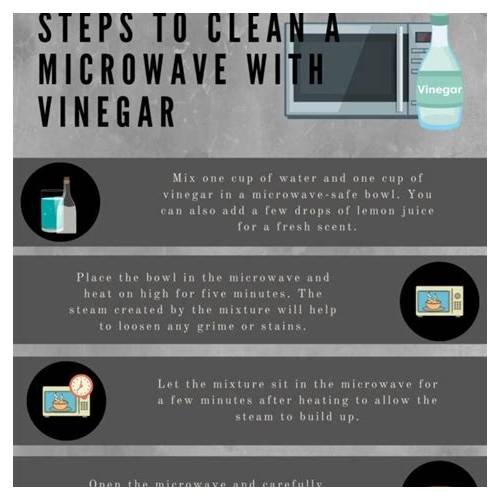
2. Add water to a microwave-safe bowl
Pour about 1 cup of water into the bowl. Plain water is enough for softening food and grease. If the microwave has a noticeable odor, add a few lemon slices or squeeze half a lemon into the water. Lemon is optional; it is not required for the steam-cleaning step.
Place the bowl in the center of the microwave. Keep the microwave empty apart from the water container, and check that the bowl is stable before closing the door.
3. Heat the water to create steam
Heat the water for approximately 3 to 5 minutes, depending on the microwave and the amount of buildup. The goal is to produce plenty of steam, not to boil the bowl dry. If your microwave is powerful or the bowl is small, begin with a shorter time and add more only if needed.
Never operate a microwave without something inside it. Do not leave the appliance unattended while heating, and stop the cycle if the water has evaporated or the container appears damaged.
4. Let the steam sit
When the heating cycle ends, leave the door closed for another 5 minutes. This resting period allows the steam to spread through the cavity and soften dried food. It also reduces the need for hard scrubbing.
Open the door carefully and keep your face and hands away from the escaping steam. The bowl and water may be very hot, so use an oven mitt or allow the container to cool before removing it.
5. Wipe the microwave interior
Use a soft, damp cloth to wipe the ceiling first, followed by the side walls, back wall, and floor. Working from the top down helps prevent loosened residue from falling onto areas you have already cleaned.
For a particularly messy microwave, rinse the cloth frequently and make several gentle passes. If food remains stuck, place the bowl of water back inside and repeat the steaming step rather than attacking the residue with a knife or scouring pad.
6. Clean the door and seals
Wipe both sides of the microwave door, including the inner glass and the area around the edges. Use a damp cloth rather than pouring water directly onto the door.
Clean the door seal gently. Food and grease can collect around the edges, but the seal should not be scrubbed harshly, pulled, or soaked. If the seal looks cracked, loose, or damaged, stop using the microwave and consult the manufacturer or a qualified repair professional.
7. Wipe the turntable and dry everything
Wash the turntable and support ring with warm, soapy water if you have not already done so. Dry them completely before putting them back. Wipe any moisture from the inside of the microwave with a clean, dry towel, then reinstall the parts correctly.
Leaving the door open for a few minutes can help the interior air-dry. Before using the microwave again, make sure the turntable is seated properly and no water has pooled around the controls or vents.
How to clean a very messy microwave
A microwave with thick grease or dried food may need more than one steam cycle. Start by removing loose debris, then heat the water and allow the steam to sit. Wipe one section at a time, rinsing the cloth as it becomes dirty.
For stubborn spots, hold a warm, damp cloth over the area for several seconds to soften it further. You can also repeat the water-steaming method. Do not use steel wool, abrasive powders, sharp blades, or rough scouring pads, as these may scratch the interior and make future cleaning more difficult.
If plain water does not remove a greasy film, use a small amount of mild dish soap on a damp cloth after the steaming step. Keep the cloth damp rather than wet, and wipe the area again with clean water to remove soap residue.
How to remove microwave odors with water
Steam can loosen odor-causing food residue, but strong smells may require a little extra attention. Add lemon slices to the water before heating, then wipe the interior thoroughly after the cycle. Vinegar is another commonly used option, but it is not necessary when you want a water-only cleaning method.
For persistent odors, check the ceiling, turntable track, door edges, and any grease around the vents. A microwave can continue to smell if a small amount of food residue remains in one of these less obvious areas.
How to clean the outside of a microwave
For the exterior, use a soft cloth lightly dampened with water. Wipe the control panel, handle, sides, and top, then dry them with a clean towel. If the microwave is installed above a range, the top may have a heavier layer of cooking grease and may need a little mild dish soap.
Never spray water or cleaner directly onto the control panel, vents, door seams, or electrical openings. Keep moisture away from the vents, and do not allow liquid to run inside the appliance. If you need to clean around the exterior thoroughly, unplug the microwave first when practical and safe to do so.
Common microwave-cleaning mistakes to avoid
- Using a metal container: Metal and foil can cause sparks or damage during microwave operation.
- Heating water until the bowl is dry: Stop before all the water evaporates.
- Touching the bowl immediately: The container and water may be hot enough to cause burns.
- Scraping with a knife: Sharp objects can damage the interior coating.
- Using abrasive cleaners: Harsh powders and rough pads may scratch surfaces.
- Pouring water inside the microwave: Use a damp cloth instead of flooding the cavity.
- Ignoring the turntable track: Food hidden under the support ring can create odors and interfere with smooth rotation.
- Cleaning only when buildup is severe: Frequent light wiping makes each cleaning session easier.
How often should you clean a microwave?
Wipe fresh spills as soon as the microwave is cool enough to handle safely. A deeper steam cleaning every week or two is a practical routine for many kitchens, although the right schedule depends on how often the appliance is used and what foods are heated in it.
Covering food with a microwave-safe lid or paper towel can reduce splatters. Leave space around food so steam can escape, and clean spills before they harden. These small habits make it easier to keep the microwave clean between full cleaning sessions.
Once the microwave is clean, maintaining the surrounding area can also make kitchen chores easier. For practical ways to reduce clutter, see these simple kitchen storage ideas and suggestions for better everyday cabinet storage.
Frequently asked questions
Can I clean a microwave with water only?
Yes. Heating water in a microwave-safe bowl creates steam that softens many food and grease deposits. Plain water is often sufficient for routine cleaning. Lemon can be added for fragrance, while mild dish soap may help with greasy residue after steaming.
How long should I microwave the water?
A common starting point is 3 to 5 minutes for about 1 cup of water, followed by a 5-minute resting period with the door closed. Microwave power varies, so use a shorter initial time if you are unsure and never allow the water to evaporate completely.
Can I use tap water?
Yes. Regular tap water is suitable for creating steam. Filtered or distilled water is not required for this cleaning method.
Why is my microwave still dirty after steaming?
Heavy grease or baked-on food may need a second steam cycle. Apply a warm, damp cloth to stubborn areas and wipe gently. Avoid sharp tools and abrasive scrubbers, which can damage the microwave interior.
Is it safe to leave the water bowl inside after heating?
Let the bowl cool before removing it, or use a heat-resistant mitt. Open the door carefully because hot steam may escape. Make sure the interior and turntable are dry before using the microwave again.
What should I do if the microwave sparks during cleaning?
Stop the microwave immediately and unplug it if it is safe to do so. Check for metal, foil, damaged interior surfaces, or a container that is not microwave-safe. Do not continue using the appliance if sparking persists or if you see damage; consult the manufacturer or a qualified technician.
The easiest way to keep a microwave clean
The basic process is simple: add water to a microwave-safe bowl, heat it long enough to create steam, let the steam loosen the mess, and wipe the surfaces with a soft cloth. Clean spills promptly, wash the turntable regularly, and avoid abrasive tools. With this routine, water can handle much of the everyday cleaning a microwave needs.
