

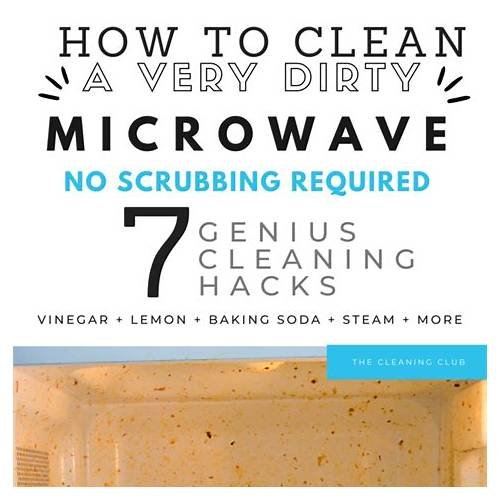
You can clean a microwave with water alone—no vinegar, lemon, or specialty cleaner required. Heating water creates steam that softens dried food, splatters, and light grease on the interior surfaces, making them easier to wipe away.
This method works best for routine cleaning and moderately messy microwaves. It will not replace scrubbing for thick, burned-on residue, but it is a simple way to freshen the appliance quickly and avoid the strong smell of vinegar.
What you need
- A microwave-safe bowl or measuring jug
- About 1 cup of water
- A clean, soft cloth or non-abrasive sponge
- Dish soap, if greasy residue remains
- Dry paper towels or a clean towel
Use a container labeled microwave-safe and leave enough room for the water to heat without spilling. A glass or ceramic bowl is usually a practical choice. Do not use metal, containers with metallic trim, or anything that is not intended for microwave use.
How to clean a microwave with water without vinegar
1. Unplug the microwave if you are cleaning around the controls
For normal interior cleaning, you can leave the microwave plugged in, but take care around the control panel, vents, and door seals. If you plan to wipe the exterior near electrical openings or a damaged cord, unplug the appliance first. Never pour or spray water directly into the microwave.
2. Remove loose pieces and the turntable
Take out the glass turntable and its support ring, if removable. Pick up loose food particles by hand or with a dry paper towel. Wash the turntable separately with warm water and dish soap, then set it aside to dry. Check the manufacturer’s instructions before putting any part in a dishwasher.
3. Add water to a microwave-safe bowl
Pour approximately 1 cup of water into the bowl. The exact amount is not critical, but there should be enough water to produce steam during heating. For a large or heavily soiled microwave, you may use a little more water in a larger container, provided it remains microwave-safe and does not fill to the rim.
For more guidance on choosing an amount, see this explanation of how much water you need to clean a microwave.
4. Heat the water until the interior becomes steamy
Place the uncovered bowl in the center of the microwave. Heat it on high for about 3 to 5 minutes, or long enough for the water to become hot and produce visible steam. Timing varies by microwave wattage and the starting temperature of the water.
Stay nearby while it runs. Stop the cycle if the water boils over, the container shifts, or you notice anything unusual. Do not operate the microwave without the bowl of water inside, and never heat an empty appliance.
5. Let the steam sit before opening the door
When the heating cycle ends, leave the door closed for another 3 to 5 minutes. This resting period allows the steam to loosen dried food and grease. It also gives the bowl and water time to cool slightly.
Open the door carefully and keep your face and hands away from escaping steam. The bowl and water may still be very hot, so use oven mitts or heat-resistant gloves when removing the container.
6. Wipe the interior from top to bottom
Use a damp cloth or soft sponge to wipe the ceiling, walls, floor, and inside of the door. Start with the upper surfaces so loosened residue falls downward. Rinse the cloth frequently and wring it out well as you work.
For stubborn spots, place the damp cloth over the residue for a few moments, then wipe again. Avoid abrasive scouring pads, steel wool, harsh powders, and sharp tools, which can damage the interior coating.
7. Clean the door, seal, and turntable area
Food can collect around the door edge and beneath the turntable. Wipe these areas carefully without pulling, bending, or scraping the door seal. Clean the turntable support and the surface underneath it, then wipe away any remaining moisture.
If the door does not close properly, the seal is damaged, or the glass is cracked, stop using the microwave and contact the manufacturer or a qualified appliance professional.
8. Remove grease with a small amount of dish soap
Water and steam are often enough for loose food and light splashes. If a greasy film remains, add a small amount of dish soap to warm water outside the microwave and dampen a cloth with the solution. Wipe the affected areas, then go over them with a clean damp cloth to remove soap residue.
Do not put dish soap directly into the bowl and heat it. Soap can foam, overflow, and create a larger mess.
9. Dry the microwave and replace the parts
Use a dry towel to remove moisture from the interior, door, and turntable area. Leave the door open for a short time if the cavity remains humid. Once the turntable and support ring are clean and dry, put them back in place correctly.
How to clean a very messy microwave with water
For thick or dried-on food, one steam cycle may not be enough. Remove what you can without scraping the surface, then repeat the water-heating process. Allow the steam to sit for several minutes before wiping.
If residue remains, use a soft sponge or cloth with warm, soapy water. Work in small sections and rinse the cloth often. Several gentle passes are safer than aggressive scrubbing, especially if the interior coating is older or already scratched.
Do not attempt to burn off residue by running the microwave empty or by heating dry materials. Those actions can damage the appliance or create a fire risk.
How to remove microwave odors using water alone
Water steam can reduce odors caused by recent food splatters, but it may not eliminate a strong smell from burnt food. Clean all visible residue first, including the ceiling and the area around the turntable. Then dry the cavity thoroughly and leave the door open briefly so fresh air can circulate.
If the odor persists after cleaning, check for hidden spills, damaged interior surfaces, or food trapped beneath removable parts. A persistent burning smell while the microwave is operating is a reason to stop using it and seek professional advice.
What not to do when cleaning a microwave
- Do not use metal in the microwave, including metal scrubbers, foil, or containers with metallic decoration.
- Do not heat an empty microwave. The appliance needs a suitable load, such as water, during operation.
- Do not seal the bowl. Steam pressure can build inside a covered container.
- Do not grab a boiling-hot container with bare hands. Use appropriate heat protection.
- Do not spray cleaner into vents, openings, controls, or the door mechanism.
- Do not use abrasive cleaners or sharp objects that could scratch the cavity.
- Do not immerse the microwave itself in water or allow liquid to enter electrical components.
How often should you clean a microwave?
Clean spills as soon as the microwave is cool enough to handle safely. A quick wipe after messy foods prevents residue from drying and reduces the need for heavy scrubbing. For regular use, inspect the interior weekly and perform a steam clean whenever you notice splatters, grease, or odors.
Covering food with a microwave-safe lid or paper towel can also reduce splashes. Leave space for steam to escape, and follow the instructions for the container and food you are heating.
Water-only microwave cleaning FAQ
Can I clean a microwave with just water?
Yes. Heating water in a microwave-safe container produces steam that loosens many food stains and light grease. You can then wipe the interior with a soft cloth. For heavy grease or burned-on food, you may need warm soapy water and more than one cleaning cycle.
How long should I microwave water for cleaning?
Start with approximately 3 to 5 minutes on high, but adjust the time for your appliance. The goal is to produce steam, not to boil the bowl dry. Stay nearby, and let the steam sit inside the closed microwave for a few minutes before wiping.
Is it safe to leave the water in the microwave after heating?
Leave the door closed for a few minutes so the steam can soften residue, but handle the bowl carefully afterward. Water heated in a microwave can become very hot, and in some situations it may be superheated without obvious bubbling. Avoid sudden jostling and use heat protection when removing it.
Can I use lemon instead of vinegar?
Lemon is optional, not necessary. If you want a light citrus scent, you can follow the same general steam-cleaning approach with lemon, provided the fruit and container are microwave-safe. For a strictly water-only method, plain water works on its own.
What if the microwave still looks dirty after steaming?
Repeat the steam cycle and wipe the residue with a soft cloth. For grease, use a small amount of dish soap diluted in warm water, then wipe again with clean water. If the interior coating is peeling, badly scorched, or damaged, consult the manufacturer before continuing to use the appliance.
For the broader process, refer to this step-by-step guide to cleaning a microwave with water. The key is simple: create enough steam to loosen the mess, wipe gently, and keep water away from the microwave’s electrical parts.
