

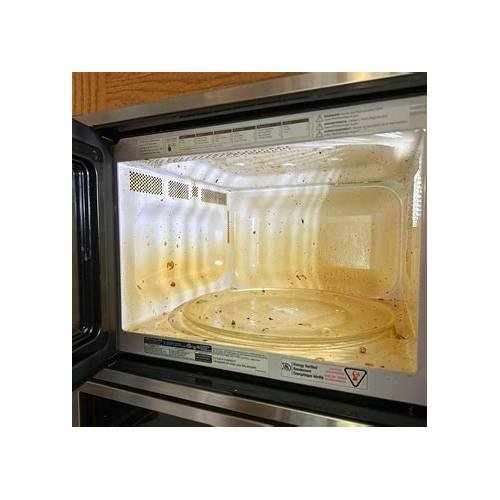
Burnt food can leave dark splatters, yellow-brown stains, and a stubborn smell inside a microwave. In many cases, you can loosen the residue with nothing more than water and steam. This method is gentle, inexpensive, and less likely to damage the microwave’s interior coating than aggressive scrubbing.
Water will not repair chipped paint, melted plastic, rust, or damage caused by arcing. However, it can soften burned-on food and grease so you can remove the stain more easily. The key is to let steam do the hard work before wiping.
Before you clean a burnt microwave
First, determine whether you are dealing with a removable food stain or possible appliance damage. A brown or black spot that sits on top of the interior surface is often burnt food. A mark that looks bubbled, blistered, melted, or chipped may be damage to the microwave coating.
Do not continue using the microwave if you see exposed metal, peeling or missing interior coating, rust around the cavity, scorch marks from electrical arcing, or a damaged waveguide cover. Unusual sparks, flames, smoke, or a strong electrical smell also require caution. Stop the microwave, disconnect power only if it is safe to do so, and consult the manufacturer or a qualified appliance technician.
For ordinary food residue, gather:
- A microwave-safe glass or ceramic bowl
- About 1 cup (240 ml) of water
- A soft microfiber cloth or non-abrasive sponge
- Clean water for rinsing the cloth
- Dry paper towels or a clean towel
Remove the turntable and roller ring if they are covered in food. Wash them separately with warm water and dish soap, then rinse and dry them before putting them back.
How to clean burnt microwave stains with water
1. Remove loose crumbs and debris
Take out the turntable, roller ring, and any other removable parts. Wipe or brush away loose crumbs from the microwave floor and walls. Removing this dry debris first prevents it from turning into a wet, greasy paste during steaming.
Do not scrape the stain with a knife, razor, metal spatula, or other sharp tool. Scratches can make the interior harder to clean and may expose the underlying surface.
2. Add water to a microwave-safe bowl
Pour approximately 1 cup of water into a microwave-safe bowl. Leave plenty of room in the bowl so the water does not spill while heating. Plain water is sufficient for this method; you do not need to add vinegar, lemon, baking soda, or a commercial cleaner.
Use a bowl designed for microwave use and avoid metal, metallic trim, and containers that are not heat-safe. If your microwave manual gives different cleaning instructions, follow the manual.
3. Heat the water to create steam
Place the bowl in the center of the microwave. Heat it for about 3 to 5 minutes, depending on the microwave’s power and the amount of residue. The goal is to produce plenty of steam, not to boil the bowl dry.
Stay nearby while the microwave runs. Stop the cycle if the water boils over, the bowl becomes unstable, or you notice sparking, smoke, or an unusual smell. Never heat an empty microwave.
4. Let the steam sit
When the cycle ends, keep the door closed for another 5 minutes. This resting period allows the steam to condense on the walls and soften the burnt food. It is especially useful for stains on the ceiling, back wall, and corners, where residue may have dried hard.
Open the door carefully and keep your face and hands away from the escaping steam. The bowl and water may be very hot. Use an oven mitt if you need to remove the bowl, and allow it to cool before handling it.
5. Wipe the softened stain
Dampen a soft cloth with warm water and wipe the interior from the top down. Start with the ceiling, then clean the side walls, back wall, door, and floor. Rinse the cloth frequently so you are lifting the residue away instead of spreading it.
For a stubborn patch, place the warm, damp cloth over the mark for 1 to 2 minutes. The added contact time can soften the residue further. Wipe gently in small circles, applying steady pressure rather than scrubbing aggressively.
6. Repeat the steam treatment if necessary
Old or heavily burnt food may not come off after one cycle. Empty and rinse the bowl, add fresh water, and repeat the steaming process once. Allow the steam to sit again before wiping.
After two treatments, reassess the mark. If it remains but feels smooth and does not transfer to the cloth, it may be discoloration or heat damage rather than removable food. Continuing to scrub can damage the microwave more than the stain itself.
7. Rinse and dry the interior
Wipe the microwave with a clean cloth lightly dampened with fresh water. This removes loosened residue and prevents a film from drying on the surface. Follow with a dry towel, paying attention to the floor, door seal area, and corners.
Leave the door open for a short time so the cavity can air-dry completely. Replace the clean turntable and roller ring only when they are dry.
How to handle different types of burnt stains
Burnt food splatters
Steam usually works best on thin splatters of sauce, soup, oil, or food. After steaming, wipe from the outside of the stain toward the center to avoid spreading it. Repeat rather than using a rough pad.
Thick, baked-on residue
For a thick layer, remove what loosens easily with a soft plastic or silicone utensil. Do not force the utensil against the surface, and never use metal. Steam the microwave again if the remaining layer is still hard.
Yellow or brown discoloration
Yellowing can result from grease, repeated heating, or heat exposure over time. If the surface feels smooth after cleaning and the color does not change, the mark may be permanent discoloration. Water can clean the surface but cannot restore its original color.
Black marks after foil or metal was used
Black scorch marks may indicate arcing rather than ordinary food residue. Inspect the area for pits, blisters, exposed metal, or damage to the small waveguide cover inside the cavity. Do not assume that steaming makes an arcing-related mark safe. If the surface is damaged, stop using the microwave and seek model-specific advice.
What not to do when removing burnt microwave stains
- Do not use abrasive scouring pads. Steel wool and rough scrubbers can scratch the interior coating.
- Do not spray cleaner into vents or openings. Liquid can reach electrical components.
- Do not pour water directly into the microwave. Use a bowl and a damp cloth instead.
- Do not heat the water until the bowl is dry. Stop the cycle if the water level becomes low.
- Do not use bleach, oven cleaner, or flammable solvents. These products may damage the appliance or leave unsafe fumes.
- Do not ignore sparking or smoke. A stain associated with arcing may signal a safety problem.
Why water works—and when it does not
Microwave steam loosens dried food proteins, starches, and grease that have bonded to the interior surface. Moisture also softens the edges of a stain, making it easier for a cloth to lift away the residue.
Water is less effective against carbonized material that has been exposed to high heat for a long time. It also cannot remove discoloration that has penetrated or changed the surface coating. In those cases, additional force is unlikely to produce a better result.
For a broader water-based cleaning routine, see this step-by-step guide to cleaning a microwave with water. If you prefer to avoid acidic ingredients entirely, the guide on cleaning a microwave with water without vinegar covers a similar approach.
How to prevent burnt stains from returning
Cover food with a microwave-safe lid or a vented paper towel to contain splatters. Leave space for steam to escape, and use a lower power setting or shorter intervals for foods that dry out quickly. Stir or rotate food when appropriate so one area does not overheat.
Wipe fresh spills as soon as the microwave is cool enough to clean safely. A quick damp-cloth wipe is much easier than removing residue that has been reheated several times. For guidance on choosing the right amount of water for steam cleaning, see how much water you need to clean a microwave.
Frequently asked questions
Can I clean a burnt microwave using only water?
Yes, water can loosen many burnt food stains when heated to create steam. It may take two cleaning cycles for heavy residue. Water will not remove every permanent stain, scorch mark, or damaged coating.
How long should I microwave the water?
A 3-to-5-minute cycle is a practical starting point for about 1 cup of water, followed by several minutes with the door closed. Microwave power varies, so supervise the process and never let the bowl boil dry.
Should I scrub a stain after steaming?
Use gentle wiping with a soft cloth or non-abrasive sponge. If the mark does not soften after repeated steaming, stop increasing the pressure. A smooth stain that will not lift may be discoloration or surface damage.
Is a black mark inside a microwave dangerous?
Not every black mark is dangerous; some are simply burnt food. However, black marks accompanied by pits, peeling, exposed metal, sparks, smoke, or a damaged waveguide cover should be treated as possible appliance damage. Stop using the microwave until it has been assessed.
How often should I steam-clean a microwave?
Steam cleaning is useful whenever residue has dried or odors linger. Wipe up spills promptly and use a deeper steam treatment as needed rather than waiting for several layers of food to build up.
Final takeaway
The safest water-based approach is simple: place water in a microwave-safe bowl, heat it long enough to create steam, let the steam sit, and wipe with a soft cloth. Repeat once for stubborn burnt food, but do not keep scrubbing a mark that appears to be permanent or related to electrical arcing. Knowing the difference between residue and damage helps you clean effectively without putting the microwave—or yourself—at risk.
