
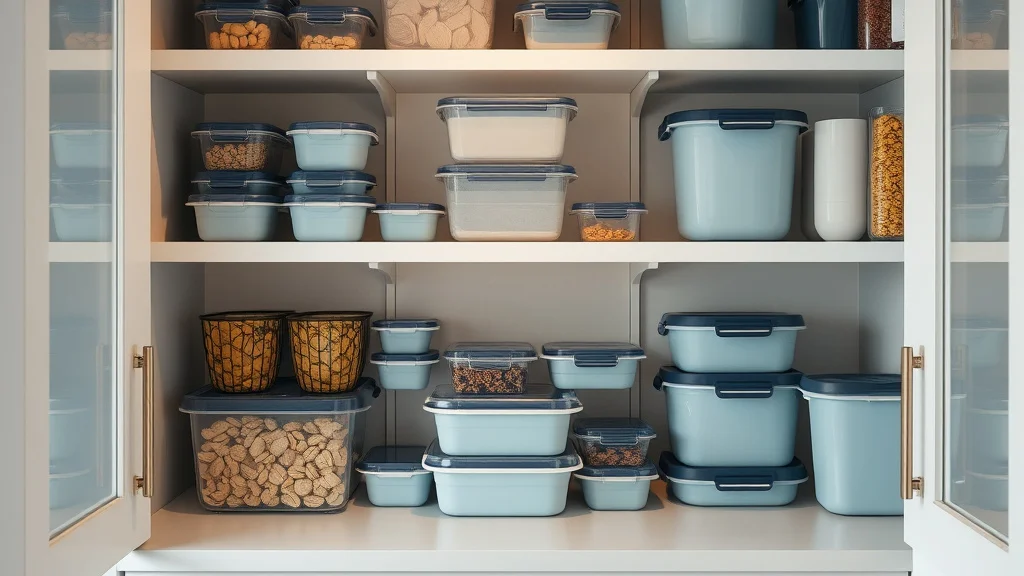
The modern household revolves around efficient storage solutions, especially in the kitchen where space is often at a premium. Tupperware, a well-known brand synonymous with high-quality storage options, offers a wide range of products that can revolutionize pantry organization. From keeping food fresher for longer to maximizing shelf space, Tupperware pantry storage solutions are invaluable tools for anyone looking to maintain an orderly kitchen. This article will delve into the various Tupperware products available for pantry storage, providing you with in-depth knowledge on how to make the most out of these solutions.
Why Choose Tupperware for Pantry Storage?
Tupperware has become a household name due to its longstanding reputation for quality and durability. Their products come with several benefits:
- Durability: Tupperware products are made from high-quality materials that are designed to withstand the test of time.
- Space Efficiency: Designed to stack neatly, Tupperware saves precious pantry space.
- Airtight Seals: Keeps your food safe from moisture, pests, and other contaminants.
- Variety of Sizes: From small containers for spices to large tubs for grains, there’s something for every need.
Types of Tupperware Pantry Storage
When it comes to Tupperware pantry storage, there are generally two main types to consider: modular containers and specialty containers.
- Modular Containers: These are designed to stack easily and fit into tight spaces, making them perfectly suited for organized pantry displays.
- Specialty Containers: Tailored for specific food items, such as pasta, flour, or cereal, these containers maximize freshness and convenience.
| Feature | Modular Containers | Specialty Containers |
|---|---|---|
| Design | Space-saving, stackable | Specifically shaped for specific food types |
| Purpose | General storage | Tailored for specific items (e.g., cereal, pasta) |
| Advantages | Versatile, easy to reorganize | Maximizes freshness and convenience for specific items |
| Limitations | Not specialized for any specific type of food | Less flexible for general use |
Using Modular Containers for Optimal Organization
Modular containers are a fantastic choice for those looking to maximize their pantry space. Their stackable nature allows for efficient use of vertical space:
- Versatility: Modular containers come in various sizes and can be used for a wide range of food items.
- Visibility: Transparent designs allow you to see contents at a glance, reducing the need for labeling.
- Space Maximization: Stack easily on top of each other, allowing you to utilize every inch of your pantry.
Specialty Containers for Specific Needs
When it comes to storing food items with specific requirements, specialty containers offer tailored solutions that modular options typically don’t:
- Purpose-Driven Design: These containers are specifically designed to preserve food types like grains, pastas, or sugars, which require unique storage.
- Maintaining Freshness: Airtight seals ensure that items like coffee or spices remain fresh longer.
- Easy Access Features: Many specialty containers come with features like pour spouts or easy-lock lids for ease of use.
How to Clean and Maintain Tupperware
Proper maintenance of Tupperware ensures longevity and optimal performance:
- Regular Cleaning: Wash with warm, soapy water and rinse thoroughly. Avoid using abrasive sponges.
- Odor Removal: For persistent odors, soak in a mixture of baking soda and water overnight.
- Stain Prevention: Avoid storing highly acidic or oily foods for extended periods. For stains, a baking soda paste can help.
How to Maximize Space with Tupperware
Using Tupperware effectively can significantly enhance your pantry’s space efficiency:
- Vertical Space Usage: Utilize taller containers to take advantage of the vertical space in your pantry.
- Grouping Similar Items: Store similar items together within larger containers to reduce clutter.
- Labeling: Although many Tupperware products are transparent, labels can still help keep everything clear and organized.
Common Mistakes to Avoid
Improper use of Tupperware can lead to inefficiencies and even damage:
- Overloading: Do not overfill containers as this can break seals and reduce effectiveness.
- Incorrect Stacking: Ensure lids are securely fastened to maintain stability when stacking.
- Ignoring Expiry Dates: It’s easy to lose track of food that isn’t frequently rotated, so ensure you’re aware of expiration dates.
Choosing the Right Tupperware for Your Pantry
Determine your specific storage needs based on the types of food you keep and the spacing requirements:
- Assess Your Needs: Consider whether you need more modular versatility or specialized storage.
- Size Considerations: Be aware of the pantry dimensions when choosing your Tupperware selection.
- Test Before Committing: Purchase a few to test out how they fit into your pantry to find the best fit.
Innovations in Tupperware Storage Solutions
Recent advancements have made Tupperware more user-friendly and effective than ever before:
- Eco-friendly Materials: New BPA-free and recyclable materials improve safety and environmental impact.
- Smart Features: Some containers now incorporate technology like RFID tags for inventory tracking.
- Improved Seals: Advances in seal technology have further enhanced the freshness retention capability.
Implementing a Tupperware-Based Pantry System
Transitioning to a Tupperware-based pantry system can seem overwhelming, but breaking it down makes it manageable:
- Start Small: Begin with frequently used items to understand your needs and adjust accordingly.
- Develop a System: Create a labeling and inventory system to track contents and reduce waste.
- Consistent Reevaluation: Periodically reassess your system as your needs evolve to maintain efficiency.
Frequently Asked Questions
Can Tupperware be used in the microwave?
Yes, many Tupperware products are microwave-safe. Always verify the product details to ensure microwave compatibility.
Is Tupperware safe to use in the freezer?
Many Tupperware selections are designed for freezer use. Look for the snowflake symbol indicating freezer compatibility.
How should I remove stains from Tupperware?
To remove stains, soak the item in a baking soda solution or use a paste made from baking soda gently applied to the stain. Check prices on Amazon
Are there eco-friendly Tupperware options available?
Yes, Tupperware now offers products made from BPA-free and recyclable materials, reducing environmental impact.
What is the best type of Tupperware for storing dry food?
For dry foods, specialty containers with airtight seals are ideal to maintain freshness and protect against pests and humidity.
Can I wash Tupperware in the dishwasher?
Most Tupperware products are dishwasher-safe, but it’s recommended to place them on the top rack to avoid damage.
How long does Tupperware typically last?
Tupperware can last for many years with proper care and maintenance, making it a durable option for pantry storage.
Can Tupperware help in reducing food waste?
Yes, by keeping food items fresh longer and providing visibility to pantry contents, Tupperware can help reduce overall food waste.
Final Thoughts
Tupperware offers a versatile and effective solution for anyone looking to reorganize and optimize their pantry storage. With multiple options like modular and specialty containers, homeowners can easily find products tailored to their needs. Ensuring proper maintenance and organization of Tupperware items can lead to significant space savings, increased food longevity, and reduced waste. Embracing a Tupperware-centered pantry system is a worthwhile investment that continues to pay dividends in terms of orderliness and functionality in the kitchen.
