

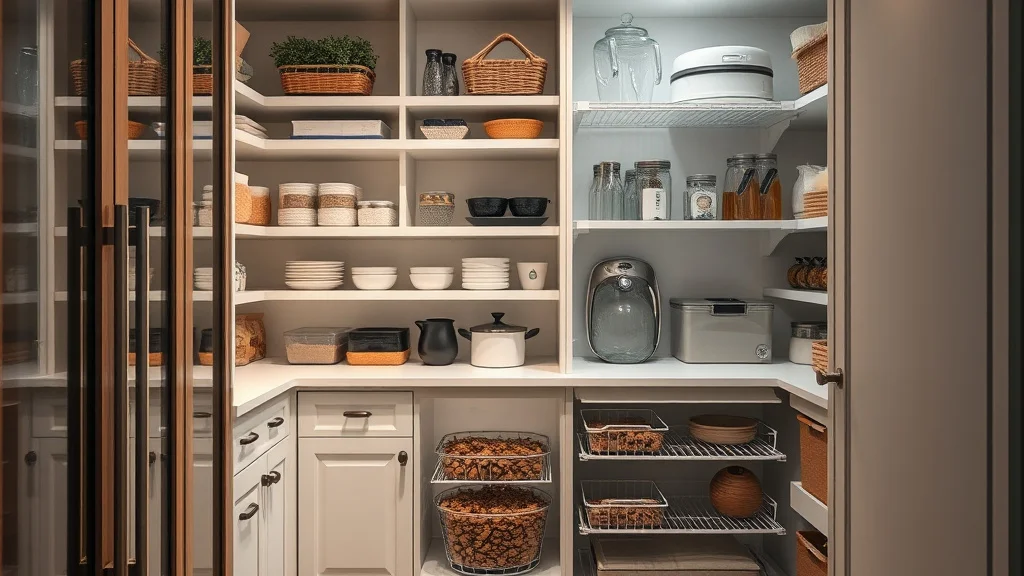
In today’s fast-paced world, maintaining an organized pantry is not just about keeping your kitchen tidy but also about enhancing efficiency and reducing food waste. Whether you have a small pantry or a sizable walk-in, the organization can make a huge difference in your daily routine and meal prepping. With proper organization strategies, you can transform your chaotic pantry into a functional and inviting space. This article will guide you through various pantry organization ideas, helping you find the perfect solutions tailored to your needs.
Understanding Different Pantry Types
Before diving into specific pantry organization techniques, it’s essential to understand the different types of pantries. The two main categories include traditional walk-in pantries and built-in kitchen pantries. Each type offers unique advantages and challenges that can impact your organization strategy.
Walk-In Pantries
A walk-in pantry is a small room or large closet that serves as a designated space for storing food items, pantry staples, kitchen appliances, and more. The advantage of a walk-in pantry is its spaciousness, often allowing for extensive shelving and storage options. However, it can also easily become cluttered without proper organization.
- Pros: Ample storage space, separates pantry items from kitchen area, can store larger appliances.
- Cons: Requires more space, can be challenging to keep organized without systems in place.
Built-In Kitchen Pantries
Built-in kitchen pantries are integrated into the kitchen cabinetry. They often feature pull-out shelves, doors, and other space-saving mechanisms. These pantries are ideal for those with limited space who still wish to keep commonly used items within easy reach.
- Pros: Space-efficient, keeps essentials close, customizable with various shelving options.
- Cons: Limited space, may require professional installation, less flexibility for large items.
| Feature | Walk-In Pantry | Built-In Kitchen Pantry |
|---|---|---|
| Space | Spacious, separate room | Compact, integrates with kitchen cabinetry |
| Capacity | High capacity, more storage options | Limited storage, suitable for essentials |
| Accessibility | Requires more movement to access | Convenient and within kitchen workflow |
| Customization | High potential for custom shelves and cabinetry | Limited by existing cabinet structure |
Declutter Before You Organize
Decluttering is an essential first step in pantry organization. Remove everything from your pantry and sort items into categories: keep, donate, or discard. This process helps you evaluate the necessity of each item, clearing space for better organization. Remember, expired foods and things you no longer consume should be discarded, while excess items can be donated to reduce waste.
Utilizing Proper Storage Containers
Investing in proper storage containers can make a vast difference in pantry organization. Transparent containers allow you to see what’s inside without opening them, while labels help in quick identification. Opt for stackable containers to make the best use of vertical space and use airtight containers to keep food fresh.
- Transparent Containers: Facilitate easy spotting of items.
- Airtight Options: Ideal for keeping grains, cereals, and snacks fresh.
- Stackable Designs: Maximize vertical space, great for smaller pantries.
Labeling for Easy Identification
A well-labeled pantry is key to maintaining organization. Labels help reduce confusion and save time when searching for ingredients. Use clear, legible labels for all containers, jars, and baskets. Try using a label maker for professional-looking labels or chalkboard labels for flexibility.
Invest in Adjustable Shelving
Flexibility is crucial in a pantry, and adjustable shelving allows you to adapt to changing storage needs. Invest in shelving systems that let you modify shelf height and configuration to accommodate varying item sizes. This adaptability ensures that your pantry remains functional as your storage needs evolve.
The Role of Pull-Out Baskets and Drawers
Pull-out baskets and drawers enhance accessibility, especially in deeper pantries. These solutions allow you to easily retrieve items stored at the back without rearranging everything in front. They’re particularly beneficial for storing heavy items like canned goods and jars.
Incorporating Lazy Susans
Lazy Susans can transform awkward corner spaces by making items more accessible. They are perfect for storing spices, condiments, or baking supplies. Available in various sizes and materials, lazy Susans reduce clutter in otherwise hard-to-reach spaces.
Using Door Space Sensibly
Pantry doors often go underutilized. Install over-the-door organizers or hooks to make use of this often-overlooked space. You can store small items like spice jars, snack packs, or plastic bags on the back of your pantry door and free up shelf space.
Grouping Like Items Together
Grouping similar items together simplifies inventory management and improves access. Allocate specific shelves or baskets for different categories such as baking supplies, snacks, breakfast items, and canned goods. This logical arrangement makes it easier for everyone in the household to find and return items. Check prices on Amazon
Maximizing Vertical Space
Vertical space is the most underrated aspect of pantry organization. Utilize stackable containers, tiered racks, and tall shelving to make use of this often-ignored area. Employing these techniques, even a small pantry can accommodate a wide variety of items efficiently.
Lighting Up Your Pantry
Good lighting is a game-changer for any pantry. Proper illumination helps you see your pantry’s contents clearly, reducing the risk of items being forgotten. Consider installing LED strip lights or motion-sensor lights for optimal visibility without consuming too much power.
Regularly Revisiting and Rearranging
Panty organization is not a one-time activity. It requires periodic reviewing and rearranging. Set a monthly or quarterly schedule to review your pantry inventory, discard expired items, and make necessary adjustments. This routine maintenance keeps your pantry organized, clean, and efficient.
Frequently Asked Questions
How often should I reorganize my pantry?
It’s advisable to revisit your pantry organization at least every three months. This helps in discarding expired items and adapting your storage to changing needs.
What are the best materials for pantry shelves?
Solid wood or metal shelving is typically the most durable option. Wire shelving is another affordable and adjustable alternative that’s popular for pantries.
How can I maximize space in a small pantry?
Use stackable containers, adjustable shelving, and door organizers. Group similar items together and utilize vertical space efficiently to maximize storage.
Are airtight containers really necessary?
Yes, airtight containers keep pantry items like grains and snacks fresher for longer and help prevent pest infestations.
How can labeling help in pantry organization?
Labeling provides visual cues that help in quickly locating items, avoiding confusion, and ensuring everyone returns items to their proper place.
What is the benefit of a Lazy Susan in pantry organization?
Lazy Susans give you easy access to items, particularly in corners or upper shelves, that would otherwise be hard to reach.
What are the best types of lighting for a pantry?
LED strip lights or motion-sensor lights are great for pantries as they offer bright light, are energy-efficient, and are easy to install.
Should I use baskets in my pantry?
Yes, baskets are great for grouping similar items together and can serve as a stylish and practical way of organizing a pantry.
Final Thoughts
Organizing your pantry is about creating a balance between functionality and aesthetics. Whether you have a large walk-in pantry or a smaller built-in one, using the right strategies and tools can transform it into a space that is not only practical but also a joy to use. From decluttering and labeling to lighting and regular maintenance, each step plays a crucial role in achieving the perfect pantry organization. By applying these ideas and maintaining flexibility in your approach, you can ensure that your pantry remains organized, efficient, and ready to support your culinary endeavors.
