

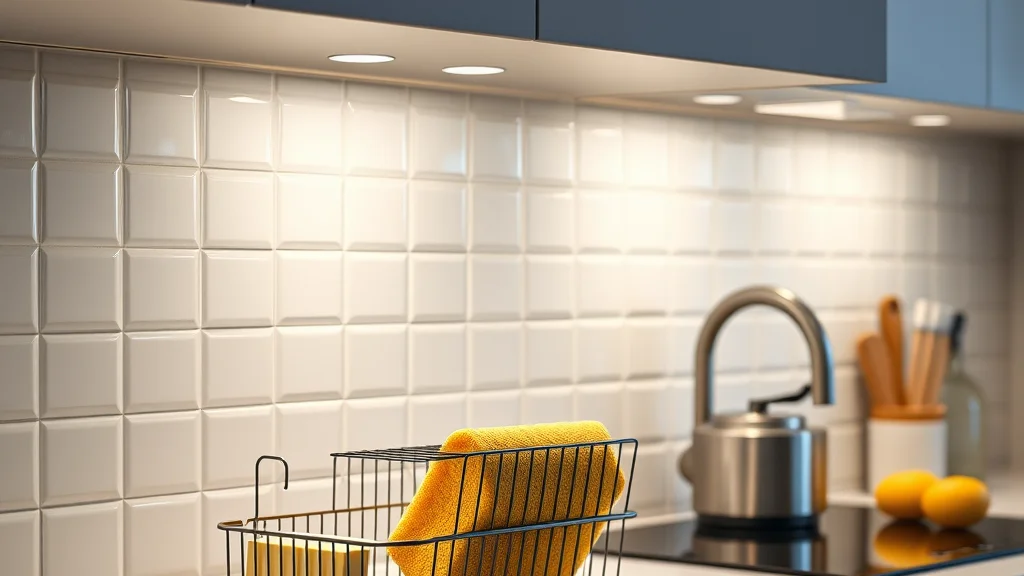
The kitchen is often described as the heart of the home, a bustling hub where meals are prepared and family gatherings unfold. Amidst the culinary chaos, keeping the kitchen tidy and organized poses a challenge, especially when it comes to small items that clutter up the space. One such item is the kitchen sponge—a tool that, despite its utility, often becomes an unsightly presence when left on countertops or in the sink. Enter the kitchen sponge rack, a simple yet ingenious solution designed to enhance cleanliness and organization. Whether you’re a meticulous organizer or just looking for ways to streamline your kitchen routine, understanding the world of sponge racks could be a game-changer for your household.
Understanding the Importance of a Kitchen Sponge Rack
A kitchen sponge rack might seem like a trivial addition to your kitchen arsenal, but it plays a significant role in maintaining hygiene. Sponges are notorious for harboring bacteria due to moisture retention. A sponge rack facilitates proper drying, reducing bacterial growth and extending the life of your sponge. This results not only in a cleaner workspace but also in a healthier home environment.
Different Types of Kitchen Sponge Racks
Kitchen sponge racks come in various shapes and designs to suit different needs and preferences. We can broadly categorize them into two main types:
- Suction-Based Racks: These racks attach to the walls of sinks or tiles using suction cups. They offer flexibility in placement and do not require any tools for installation.
- Countertop Racks: Designed to sit on the sink countertops, these racks are generally more stable and often come with additional compartments for holding soaps and brushes.
Each type of rack offers its own set of pros and cons. Depending on your kitchen setup and personal preferences, you might lean towards one type over the other. The following table provides a side-by-side comparison to help you make an informed choice:
| Feature | Suction-Based Rack | Countertop Rack |
|---|---|---|
| Installation | Quick & Tool-Free | No Installation Required |
| Stability | Subject to Suction Loss | Generally More Stable |
| Mobility | Can be Moved Easily | Requires More Space |
| Versatility | Limited Design | Varied Designs Available |
| Price Range | Economical | Varies (Mid to High Range) |
Choosing the Right Kitchen Sponge Rack for Your Needs
When selecting a kitchen sponge rack, several factors come into play. It’s essential to consider:
- Space Availability: Determine whether you have more space in the sink or on your countertops.
- Design Preference: Choose a design that complements your kitchen aesthetics.
- Functionality: Consider if additional compartments for dish soap or brushes are required.
- Material: Stainless steel, plastic, and silicone are common. Each material has its advantages concerning durability and maintenance.
Material Matters: Stainless Steel vs. Plastic Sponge Racks
The choice of material in a sponge rack significantly influences its durability and maintenance requirements. Stainless steel racks are known for their longevity and easy maintenance; however, they may incur a higher initial cost. Plastic racks, on the other hand, are generally cheaper and come in various colors and designs but may not last as long.
Installation and Maintenance Tips
Successfully installing and maintaining your kitchen sponge rack ensures it serves its purpose efficiently.
- Installation: Ensure a clean surface for suction cups or choose a stable spot on the countertop.
- Cleaning: Regularly clean the rack to prevent mildew and grime buildup. A simple solution of water and vinegar can effectively sanitize the rack.
How to Use a Kitchen Sponge Rack Effectively
Maximizing the benefits of a kitchen sponge rack involves more than just placing a sponge on it. Proper usage can prolong the life of your sponge and rack.
- Positioning: Ensure your rack is positioned to allow maximum air circulation for drying.
- Regular Rotation: Rotate your sponges to ensure even usage and avoid excessive wear.
- Regular Cleaning: Clean the sponge and the rack regularly to maintain hygiene.
Design Variations and Innovations
The world of kitchen sponge racks is not limited to mere functionality. Modern designs have evolved to include creative and aesthetic elements.
- Multi-tier Racks: These racks offer space for multiple sponges and other cleaning tools.
- Eco-Friendly Options: Bamboo and recycled materials are used for environmentally conscious consumers.
- Decorative Designs: Racks with whimsical shapes and hues can add a touch of personality to your kitchen.
Eco-Friendly Options for the Environmentally Conscious
The push for sustainability extends to kitchen accessories, with eco-friendly sponge racks gaining popularity. These racks are typically made from recycled materials or sustainable resources like bamboo. Choosing such options supports environmental conservation efforts while enhancing your kitchen organization.
The Cost Factor: Budget-Friendly vs. High-End Sponge Racks
Budget considerations are crucial when selecting a kitchen sponge rack. Plastic and minimalist designs fall into the economical category, while stainless steel and elaborate racks may feature higher price points. It’s important to balance functionality with affordability when making your choice. Check prices on Amazon
Customer Reviews and Recommendations
When in doubt, referring to customer feedback can be enlightening. Online reviews provide insights into the real-world application of sponge racks, uncovering potential issues or advantages you may not have considered otherwise. Look for consistent comments on durability, ease of installation, and user satisfaction.
Frequently Asked Questions
What is the best type of kitchen sponge rack?
The best type depends on your specific needs. If you need flexibility and easy installation, choose a suction-based rack. Opt for a countertop rack if you prefer stability and additional storage space for cleaning items.
How do I clean my sponge rack?
Clean the rack regularly with soap and water, or use a vinegar solution to remove stains and disinfect. Stainless steel racks may require less frequent cleaning than those made from plastic.
Will a suction-based rack stay in place?
Suction strength can vary based on surface material and cleanliness. Regularly check the suction and tighten if necessary to ensure the rack stays put.
Are there multi-purpose sponge racks?
Yes, some racks come with additional compartments or hooks for holding brushes, soap, or dishcloths, making them multipurpose.
Can I install a suction-based rack on any surface?
Suction-based racks adhere best to smooth and non-porous surfaces. Avoid textured or porous surfaces for optimal adhesion.
Are plastic sponge racks durable?
While plastic racks are generally durable, they might not last as long as stainless steel options. Consider your usage intensity when choosing the material.
Do sponge racks prevent bacteria growth?
Yes, by allowing sponges to dry evenly, racks can help reduce bacterial buildup. However, regularly cleaning your sponges and rack is essential for maximum hygiene.
Are environmentally friendly sponge racks available?
Yes, numerous eco-friendly options made from bamboo or recycled materials are available, catering to those mindful of sustainability.
Final Thoughts
In the quest for a cleaner, more organized kitchen, a sponge rack is a small but mighty tool. By selecting the right type and design that caters to your personal preferences and kitchen layout, you can significantly improve your kitchen’s functionality. Investing in a quality kitchen sponge rack not only caters to organization and hygiene but also prolongs the life of your cleaning sponges and tools. With countless designs and options on the market, finding the perfect fit for your kitchen is easier than ever.
