

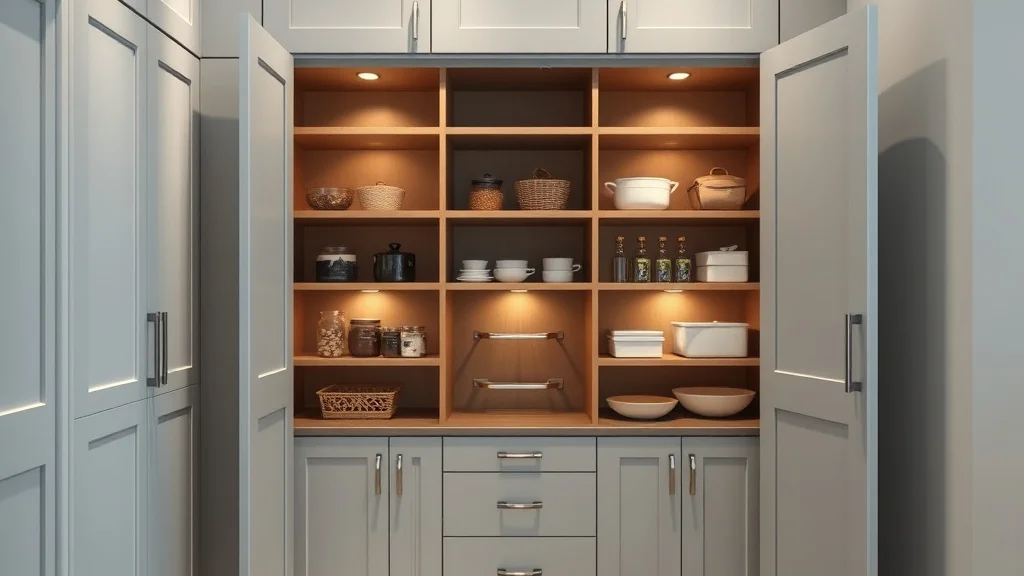
In today’s fast-paced world, creating a well-organized home is more important than ever. A storage pantry cupboard can be a lifesaver in this quest by serving as a dedicated space for keeping your kitchen and household items in order. Whether you’re struggling with clutter in your kitchen or need an efficient way to store non-perishable goods, a storage pantry could be your ideal solution. In this guide, we dive deep into the realm of pantry storage cupboards to help you make an informed choice. You’ll learn about different types, their benefits, considerations for buying, and tips for maximizing space. With detailed insights and practical advice, this guide aims to streamline your pantry organization process.
Understanding Storage Pantry Cupboards
A storage pantry cupboard is essentially an additional storage solution intended to keep your kitchen essentials well-organized. These cupboards come in various shapes and sizes and serve a range of purposes, from storing dry foods to holding cleaning supplies. Often made from durable materials like wood, metal, or laminate, pantry cupboards are designed to withstand years of constant use. Available in freestanding and built-in models, they offer both flexibility and permanence, fitting seamlessly into any kitchen layout.
Common Materials Used
The choice of material plays a critical role in the durability and aesthetics of your pantry cupboard. The most common materials include:
- Wood: Offers a classic and versatile look and is generally more robust.
- Laminates: Budget-friendly and easy to clean, though less durable than wood.
- Metal: Highly resilient and gives a contemporary look, although not suitable for every kitchen style.
Each material has its pros and cons, so choose based on your specific needs and kitchen decor.
Types of Storage Pantry Cupboards
Generally, pantry cupboards can be divided into two primary types, freestanding and built-in. Each has its unique functionalities and characteristics, making them suitable for different kinds of homes and spaces.
| Type | Pros | Cons |
|---|---|---|
| Freestanding |
|
|
| Built-in |
|
|
Freestanding Pantry Cupboards
Freestanding storage pantry cupboards are an excellent choice for those who value versatility. These units can be positioned wherever there’s available space and adjusted to fit your changing requirements. Typically constructed from wood or laminates, they are perfect for rental apartments where drilling into walls might not be possible. Their portability allows for easy rearrangement, making them a practical option for families expecting changes in household size or dynamics.
Built-in Pantry Cupboards
Built-in pantry cupboards are the epitome of seamless integration into your kitchen. Customizable to fit your space, they offer a coherent look and maximize efficiency. Once installed, built-in cupboards provide a flawless storage solution that enhances both the aesthetics and functionality of your kitchen. Although they require a higher upfront cost due to installation fees, their long-lasting nature and tailored options are well worth the investment for long-term homeowners.
Deciding on the Right Size
The size of your pantry cupboard is a crucial aspect that influences its functionality and appearance. Before purchasing, assess the space where you plan to install or place the cupboard. It’s essential to consider storage needs, such as the types of items you intend to store and their quantities. For smaller kitchens, tall and narrow cupboards might be more suitable, maximizing vertical space. Conversely, spacious kitchens can accommodate larger, more expansive units.
Choosing the Right Style
Your pantry cupboard’s style should align with your kitchen’s existing decor while catering to your personal aesthetic preferences. Modern kitchens may benefit from sleek, minimalist designs featuring clean lines and a neutral palette. Traditional kitchens, however, can leverage ornate details and rich wood finishes. Consider elements like handles, colors, and overall design to ensure harmony between the cupboard and your kitchen environment.
Interior Organization and Accessories
A well-organized pantry cupboard hinges on smart interior configurations. Incorporating adjustable shelving, pull-out bins, and drawer systems can significantly enhance utility. Clear containers, labeled baskets, and tiered racks further boost efficiency and visibility. The goal is to create a streamlined system where everything has its place, reducing clutter and making it easier to assess inventory at a glance.
Maximizing Space in Your Pantry Cupboard
To maximize your pantry cupboard’s space, consider adopting a few strategic practices:
- Utilize vertical space by stacking items and using tall containers.
- Implement a first-in-first-out policy to ensure older items are used before newer ones.
- Group similar items together to streamline access and restocking.
Creative space utilization can significantly amplify storage capacity while maintaining an organized and tidy look.
Budget Considerations
The cost of a storage pantry cupboard can vary widely based on material, size, design, and customization level. Establishing a budget ensures you make a cost-effective purchase that doesn’t compromise functionality or aesthetics. Budget-savvy options include DIY assembly units or reformed antique cabinets, while premium choices offer custom built-ins tailored for your specific needs. Balancing price with features can help you find the perfect cupboard within your financial range. Check prices on Amazon
Pantry Cupboard Maintenance
Regular maintenance keeps your pantry cupboard in prime condition and aids longevity. Clean shelves and surfaces periodically to prevent dust and pests. Verify hardware like hinges and handles, tightening loose components as necessary. For wood cabinets, applying polish can maintain their luster. By incorporating these simple steps, you ensure your pantry cupboard remains a functional and attractive part of your kitchen for years to come.
Purchasing Tips
When you’re ready to purchase, consider the following tips:
- Read Reviews: Research user experiences and feedback.
- Measure Space: Take accurate measurements for an ideal fit.
- Check Return Policy: Ensure the vendor offers a return option if the unit doesn’t meet expectations.
These practices can guide you toward a satisfying purchase, ensuring the unit seamlessly integrates into your home.
Frequently Asked Questions
What is the best material for a pantry cupboard?
Wood is often considered the best material due to its durability and aesthetic appeal, though it may not fit all styles or budgets.
How often should I clean my pantry cupboard?
Regular cleaning every month can help maintain hygiene and mitigate potential pest invasions.
Is a built-in or freestanding pantry better?
This depends on your specific needs. Built-ins offer space utilization and a customized look, while freestanding units provide flexibility and mobility.
Can I install a built-in pantry cupboard myself?
Unless you possess carpentry skills and tools, it is advisable to hire professionals for a precise and secure installation.
How do I organize a small pantry cupboard efficiently?
Using vertical stacking, clear containers, and labeled areas can help optimize a smaller space effectively.
What are some budget-friendly options?
Consider DIY cupboards or second-hand units, which can be more affordable while still offering functionality.
What’s the average lifespan of a pantry cupboard?
With proper care, a quality pantry cupboard can last between 15 to 20 years.
How do I handle a pantry cupboard with limited space?
Maximize vertical space and use storage organizers to exploit every inch effectively.
Final Thoughts
A well-organized pantry cupboard can be a game-changer for homes plagued with clutter. From deciding between freestanding and built-in models to exploring materials, styles, and interior organization possibilities, the options are abundant and diverse. Whether you’re investing in a top-tier pantry solution or opting for a budget-conscious choice, the key lies in aligning your specific needs with the capacities of the cupboard. By taking thoughtful, informed steps, you can transform your kitchen into a functional and inviting space. Embrace these insights provided in this guide, and you’ll be well on your way to achieving pantry perfection.
