
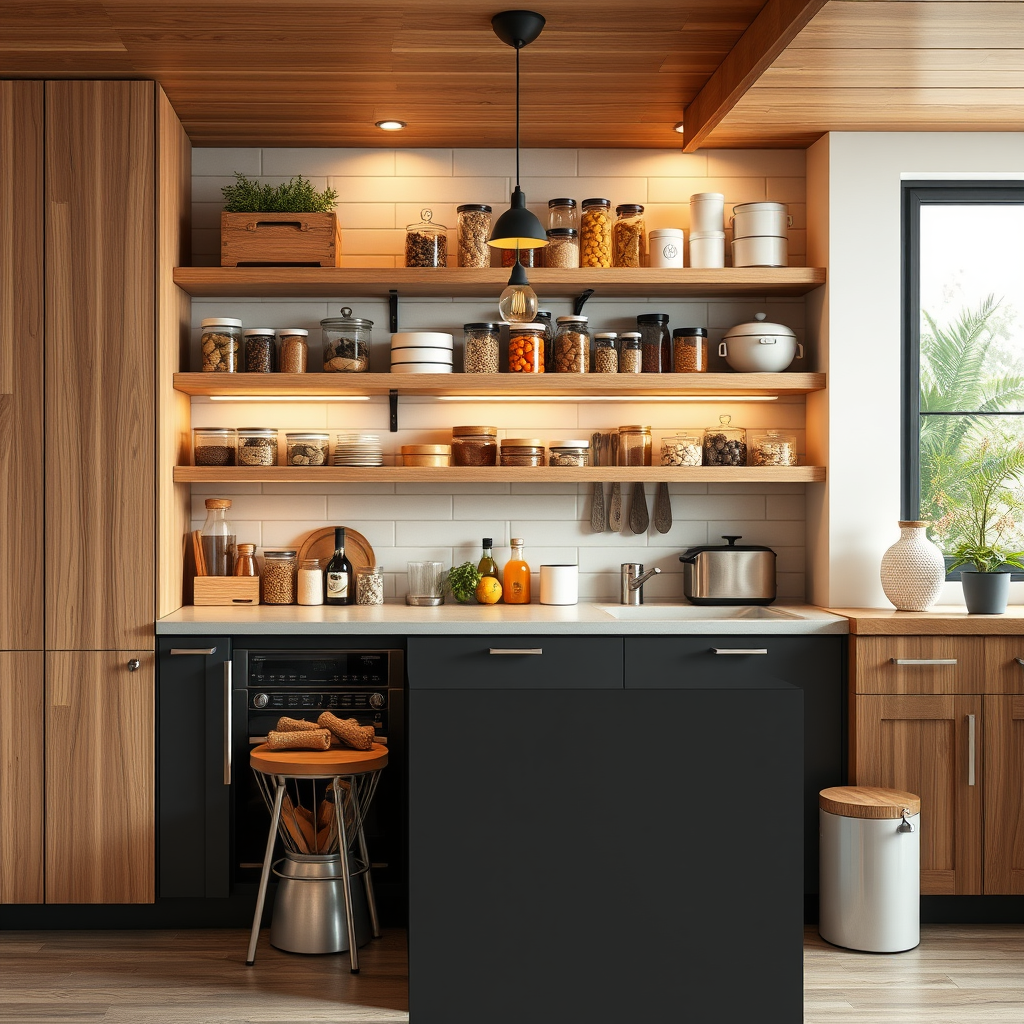
The kitchen is often considered the heart of the home, a place where culinary creativity unfolds and delightful meals are shared with friends and family. Within this bustling space, a well-organized pantry can be the secret ingredient to culinary success. The key to achieving a neatly organized pantry lies in selecting the right kitchen storage containers. Not only do they help in maintaining order, but they also preserve food quality by combating factors like humidity, pests, and spoilage. With the myriad choices available, finding the best food storage solutions can be a daunting task. This comprehensive guide is designed to help you navigate through the world of kitchen storage containers, offering insights into the best options available for keeping your pantry orderly and efficient.
Understanding the Importance of Kitchen Storage Containers
Kitchen storage containers form the foundation of an organized pantry. They provide a systematic way to store dry goods, baking ingredients, snacks, and more. These containers not only declutter your pantry shelves but also protect food from environmental factors that could diminish freshness. A well-chosen storage system can enhance your cooking workflow by making ingredients easily accessible, thus streamlining the cooking process.
Types of Kitchen Storage Containers
The market offers a diverse range of kitchen storage containers, each catering to specific needs and preferences. Two of the main types include airtight containers and stackable containers. While they both aim to preserve food quality and optimize space, their features differ significantly.
Airtight Containers: The Key to Freshness
Airtight containers are designed to prevent air and moisture from entering and compromising the contents within. These containers are particularly beneficial for storing staples like flour, sugar, coffee, and spices. With robust seals and secure locks, airtight containers are perfect for extending the shelf life of your pantry staples.
Stackable Containers: Maximizing Vertical Space
For those keen on maximizing pantry real estate, stackable containers are a perfect choice. These compact storage solutions are designed to fit snugly on top of one another, effectively utilizing vertical space. Stackable containers are versatile and ideal for organizing snacks, beans, grains, and pasta.
| Criterion | Airtight Containers | Stackable Containers |
|---|---|---|
| Seal Type | Secure and airtight | Moderate seal, better for dry storage |
| Space Efficiency | Moderate, may vary by shape | High, optimized for stacking |
| Material | Glass or plastic | Plastic or modular glass |
| Best For | Flour, sugar, spices, coffee | Grains, snacks, pasta |
Material Matters: Choosing Between Glass and Plastic
When selecting storage containers, the choice between glass and plastic can significantly impact functionality and longevity. Glass containers offer clarity and durability, making it easy to view contents at a glance. They’re also more environmentally friendly and do not absorb odors. On the other hand, plastic containers are lightweight and shatter-resistant, perfect for households with children or those preferring portability.
Transparent Containers for Easy Access
Opt for transparent or semi-transparent containers for easier identification of contents, eliminating the need to label every single container. Being able to see the contents at a glance can save time during meal preparation and help in managing inventory more effectively.
Labeling: The Essential Step to Organization
While transparent containers help, incorporating a labeling system can elevate your organizational game. Labels can provide specific information, such as expiration dates and purchase dates, or simply refer to the contents, adding an extra layer of efficiency and reducing food waste.
Consideration of Container Sizes
The size and shape of your containers should complement the type and amount of food you store. Larger containers are ideal for bulk cereals or flour, while smaller ones suit spices or baking soda. Measuring storage requirements before purchasing can minimize the chances of dealing with spatial inefficiencies.
Long-Term Durability and Maintenance
A crucial aspect of selecting kitchen storage containers is understanding their maintenance requirements. Containers that are dishwasher safe can save you time and energy, while those that require hand washing should be sturdy enough to withstand repeated use. Durability ensures you won’t need to frequently replace your pantry storage solutions.
Aesthetics: Blending Form With Function
Besides practicality, aesthetics play a significant role in creating an organized pantry. Selecting containers that match your kitchen’s decor can elevate the overall look, making the pantry an inviting and pleasant space to interact with. Uniform container appearance can also lend itself to a calming visual effect. Check prices on Amazon
Affordability and Value for Money
Investing in high-quality kitchen storage doesn’t always mean breaking the bank. It’s essential to balance affordability with quality to ensure longevity and functionality. Consider online reviews, brand reputation, and guarantees when making purchases to get optimal value for your money.
Frequently Asked Questions
What are the benefits of using airtight containers?
Airtight containers help to keep foods fresher for longer by preventing moisture, air, and pests from accessing the contents.
Can glass containers be used in the freezer?
Yes, many glass containers are freezer safe, but it’s crucial to check for specifics such as thermal shock resistance.
Why should I consider stackable containers?
Stackable containers maximize vertical space, ideal for small or cluttered pantries, allowing more items to fit into a limited area.
Are plastic containers safe?
Food-grade plastic containers are safe for pantry use, but ensure they are BPA-free to avoid harmful chemicals seeping into food.
How often should I clean my pantry containers?
It’s recommended to wash your containers every few months or whenever they become empty in order to maintain hygiene.
How do I prevent my containers from staining?
Avoid storing colored or acidic foods in containers prone to staining, and wash them promptly if such foods are stored.
What’s the best way to label containers?
Consider using a waterproof labeling system or erasable labels for flexibility and clarity that can withstand kitchen humidity.
Is it better to use square or round containers?
Square containers make better use of space, especially in compact pantries, whereas round containers are often better for scooping.
Final Thoughts
An organized pantry, marked by the use of appropriate kitchen storage containers, can truly transform your kitchen experience. To optimize pantry storage, it’s important to understand your culinary habits and personal preferences. By selecting the right containers that cater to your needs, whether it’s airtight for freshness or stackable for space efficiency, your pantry will transcend from mere shelves of ingredients to a seamless system of culinary order and efficiency. Invest wisely, and let these practical storage containers be the cornerstone of your kitchen’s harmony.
