
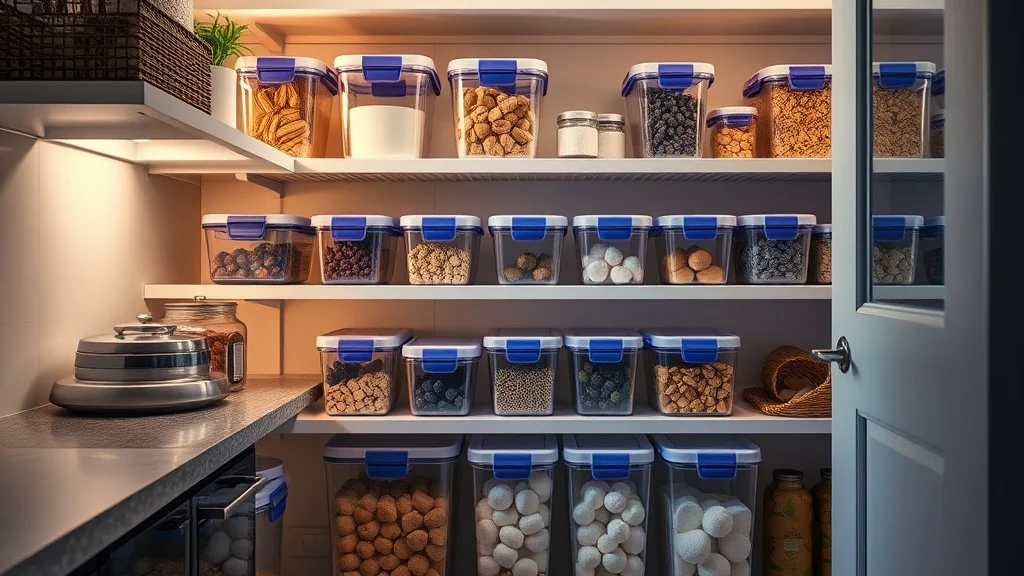
Pantry storage containers have transformed the way we organize our kitchens, bringing efficiency, style, and unprecedented convenience. The goal of achieving a perfectly organized pantry has never been more attainable, thanks to the wide variety of storage solutions available. Whether you are looking to minimize clutter, maintain freshness, or simply upgrade the aesthetic of your kitchen, choosing the right pantry storage containers plays a pivotal role. From keeping food fresh to utilizing space more effectively, the right containers can make a significant difference. This guide will delve into the various aspects of pantry storage containers, providing you with valuable insights for selecting the perfect solutions for your pantry needs.
The Importance of Pantry Organization
The organization of your pantry greatly impacts the efficiency of your culinary endeavors. A well-organized pantry ensures that you can quickly find ingredients, saving you time and effort. Moreover, having a system in place can prevent food wastage by keeping track of what you have and what needs to be used before expiration. This organization also contributes to a stress-free cooking environment, where the focus remains on the joy of creating meals without unnecessary disruptions.
Types of Pantry Storage Containers
Pantry storage containers come in a variety of types, each designed to serve specific needs. They range from glass and plastic containers to bins and baskets. Understanding the distinct features and benefits of these containers can help you make informed choices that align with your storage requirements. Each type has its own set of advantages, from preserving freshness to providing visibility of contents.
Benefits of Using Pantry Storage Containers
Pantry storage containers offer numerous benefits, making them an essential component of modern kitchen organization. Some of the key advantages include:
- Improved shelf life of perishables by offering airtight seals that keep food fresh.
- Efficient use of space, allowing for stacking and optimal organization.
- Reduced clutter leading to a more visually appealing pantry.
- Easy access and retrieval of ingredients, streamlining the cooking process.
Popular Materials for Pantry Storage Containers
One of the primary considerations when selecting pantry storage containers is the material they are made from. Common materials include:
- Glass: Glass containers are sturdy, non-toxic, and provide excellent visibility. They are often microwave and dishwasher-safe, though they can be heavier and more fragile.
- Plastic: Lighter and more durable, plastic containers are available in a variety of shapes and sizes. They should be BPA-free to ensure safety, especially when storing food.
| Features | Glass Containers | Plastic Containers |
|---|---|---|
| Weight | Heavier | Lighter |
| Visibility | Excellent | Good |
| Durability | Breakable | More Impact Resistant |
| Microwave/Dishwasher Safe | Yes | Usually |
| Cost | Generally Higher | Generally Lower |
Choosing the Right Size and Shape
When it comes to pantry storage, choosing the right size and shape of containers can significantly impact your space management. It’s important to consider the shelf height and depth of your pantry to determine the sizes that fit best. Stackable containers maximize vertical space, while modular options allow you to customize the fit for various food items. Evaluate your pantry dimensions and consider the types of food you need to store to make the most of your containers.
Features to Look for in Pantry Storage Containers
While selecting pantry storage containers, certain features can make them more efficient and user-friendly. Consider options that offer:
- Airtight seals: To keep food fresh and free from pests.
- Stackability: To save space by stacking them on top of one another.
- Labels: Easy-to-read labels to quickly identify contents.
- Transparent material: For easy visualization of stored items.
Maintaining and Cleaning Your Pantry Containers
Maintaining and cleaning pantry storage containers is vital for hygiene and longevity. Regular cleaning prevents odor buildup and the growth of bacteria. It’s recommended to wash containers with warm, soapy water and ensure they are completely dry before restocking. Additionally, check the sealants and lids for wear and tear to ensure they remain airtight.
Eco-Friendly Options
For those inclined towards sustainability, eco-friendly pantry storage containers present an excellent choice. These containers are often made from recycled materials or sustainable resources. Some popular eco-friendly options include bamboo bins and glass containers with biodegradable lids. Opting for these containers reduces environmental impact and offers the benefit of being reusable over long periods.
Budget-Friendly Solutions
Organizing a pantry doesn’t have to be expensive. There are many budget-friendly solutions available that don’t compromise on quality. Look for store deals, consider buying in bulk, or explore homemade storage solutions. Plastic containers are generally less expensive, while ceramic or glass items might be better suited for those willing to invest a little more.
Maximizing Space in Small Pantries
For those with smaller pantries, maximizing space is crucial. Consider using multi-layered shelves, under-shelf baskets, and corner racks to make full use of every inch. Opt for taller containers that can hold more volume without taking up additional horizontal space. It’s also helpful to categorize and group items by frequency of use for easier access. Check prices on Amazon
Labeling and Categorizing for Efficiency
Labeling and categorizing pantry items can greatly enhance efficiency and organization. Using uniform labels and clear categories, such as grains, snacks, spices, and canned goods, helps in maintaining inventory. This system minimizes overbuying and ensures that everything stored is used in a timely manner.
Frequently Asked Questions
What materials are best for keeping food fresh?
Glass and BPA-free plastic with airtight seals are excellent for preserving food freshness.
How can I prevent pests in my pantry?
Airtight containers and regular cleaning prevent pest infestations by eliminating access to food sources.
Are plastic containers safe for pantry storage?
Yes, as long as they are BPA-free and made from food-grade materials.
How should I clean my pantry containers?
Wash with warm, soapy water and ensure they are thoroughly dried before reusing.
What do I do if my containers are not stackable?
Consider using shelf risers or trays to increase organization and accessibility.
Is it necessary to label containers?
Labeling increases efficiency in finding and replenishing pantry items, hence it’s highly recommended.
Which are the most durable materials?
Plastic is more impact-resistant, while glass is durable but can break more easily if dropped.
Can I put labels on glass containers?
Yes, removable adhesive labels work well for glass and can be easily updated.
Final Thoughts
A well-organized pantry not only enhances the aesthetic appeal of your kitchen but also promotes efficient cooking and reduces waste. The right choice of pantry storage containers can make a significant difference in how you manage your pantry space. By considering factors such as material, size, and features, and by implementing organization strategies such as labeling and efficient categorization, you create a more functional kitchen environment. Evaluate your needs, explore your options, and take a step toward a more organized, beautiful pantry.
