
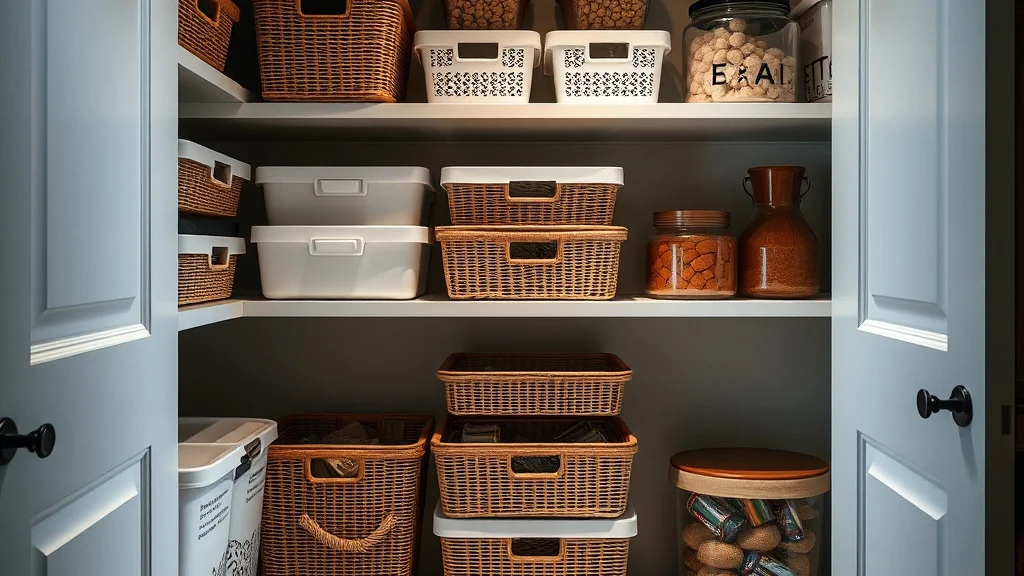
In a world where efficiency and simplicity reign supreme, an organized pantry can make a significant difference in daily life. Pantry storage bins provide an intuitive solution for clutter-free and accessible food storage, enhancing not only the aesthetic value but also the functional space of your kitchen. Whether you’re dealing with limited space or a bounty of ingredients, the right pantry storage bins can revolutionize your kitchen dynamics. In this guide, we’ll explore the myriad of options available, comparing features and benefits, so you can make an informed decision tailored to your needs.
| Feature | Plastic Storage Bins | Glass Storage Bins |
|---|---|---|
| Durability | Highly Durable and Shatterproof | Fragile, Best for Gentle Use |
| Cost | Generally Affordable | Higher Initial Investment |
| Weight | Lightweight and Easy to Handle | Heavier and More Stable |
| Transparency | Available in Clear Options | Often Completely Clear for Easy Visibility |
| Sustainability | Less Eco-friendly unless recycled | Eco-friendly and Recyclable |
The Importance of Pantry Organization
An organized pantry isn’t just about looks; it’s about functionality, accessibility, and efficiency. Proper organization allows you to see what you have at a glance, reducing the chance of food waste, preventing overspending, and streamlining meal preparation. With properly categorized storage, your time spent in the kitchen transforms from chaotic searches to seamless cooking experiences.
Plastic Storage Bins: Pros and Cons
Plastic storage bins are the mainstay in many households due to their versatility and cost-effectiveness. They come with various advantages and drawbacks:
- Pros: Lightweight, shatterproof, and often stackable.
- Cons: May stain with certain foods and are less environmentally friendly.
- Ideal for families with small children due to their durability.
Glass Storage Bins: Pros and Cons
Glass bins, while less common, have gained traction due to their aesthetic and environmental benefits. Consider these aspects:
- Pros: Stylish, sustainable, and resist food odors and stains.
- Cons: Heavier and potentially breakable.
- Well-suited for individuals without young children, where durability under stress is less of an issue.
Choosing the Right Size for Your Needs
When selecting pantry storage bins, consider the size relative to your pantry’s capacity and the types of items you’re storing. Small bins are excellent for individually packed goods, while larger ones can house bulk products such as flour or cereal. Utilizing a mix of sizes allows for a more tailored organization system.
Labeling: The Secret to a Well-Organized Pantry
Labels are critical for identifying contents quickly and efficiently. Investing in a label maker or DIY options using chalk labels can add a personal touch. Clearly marked bins help maintain system integrity, ensuring everyone in the household knows exactly where to return items.
Stackability: Making the Most of Vertical Space
Vertical storage solutions maximize space, especially in smaller pantries. Stackable bins can elevate your organization game by freeing up horizontal space and providing easy access to items. Ensure your chosen storage solutions are explicitly designed for stacking to prevent any unwanted toppling.
Seal and Freshness: Preserving the Quality of Your Ingredients
The primary purpose of storage bins is to maintain the freshness of pantry staples. Look for bins with airtight seals which prolong the shelf life of food by preventing exposure to oxygen and moisture. Materials and seals will vary, so testing for airtightness is recommended before full usage.
Bin Shape and Accessibility
Choosing the correct shape can affect both the accessibility and organization of your pantry. Square and rectangular bins are more space-efficient compared to round options. A clear front or side opening provides direct access, which is particularly beneficial for items with frequent use.
Material Considerations for Longevity
The material of your storage bins directly influences their lifespan. High-quality plastics resist warping while borosilicate glass options withstand thermal shock when moving items from the pantry into the kitchen. Opt for BPA-free materials for an environmentally safe and health-conscious choice.
Customized Pantry Solutions: Tailoring to Your Unique Needs
No two households are identical, and customizing your pantry storage solution to your specific lifestyle and dietary preferences can make a significant difference. Consider adjustable shelving systems and modular bins which can be rearranged based on evolving storage needs. Check prices on Amazon
Maintenance and Cleaning
Preserving the integrity of your storage bins relies on regular maintenance. Most plastic bins are dishwasher safe, though washing glass bins by hand will ensure longevity. Periodically inspect seals for any wear and perform a deep clean with a vinegar-water solution to remove stubborn stains and keep your storage odor-free.
Frequently Asked Questions
How do I decide between plastic and glass storage bins?
Consider durability, weight, and environmental impact. For families with children or high kitchen traffic, plastic may offer more durability. For eco-conscious users seeking an aesthetically pleasing alternative, glass is preferable.
Are all storage bins airtight?
No, not all are designed to be airtight. Look for bins with rubber seals if preserving freshness is essential.
How often should I clean my pantry storage bins?
Regularly wipe down your bins, especially if they house perishables. A thorough clean every few months will help to prevent odors and discoloration.
Can I stack bins if they are not labeled as stackable?
To ensure safety and stability, only stack bins that are explicitly designed for this purpose to avoid the risk of toppling.
What is the best way to label my bins?
Using a label maker or chalk labels can provide a neat, clear labeling solution. Ensure labels are visible and legible to all household members.
Do glass storage bins keep food fresh longer?
Glass bins resist odors and stains better than some plastics, potentially offering better longevity for food storage when paired with a proper seal.
What should I store in smaller bins?
Use smaller bins for singular items or small assortments like spices, snacks, or baking ingredients.
How can I ensure my storage bins are food safe?
Opt for BPA-free plastics and check for any certifications that indicate food-grade safety.
Final Thoughts
A well-organized pantry is more than just a visual delight; it is a gateway to smoother kitchen operations and healthier eating habits. By selecting appropriate pantry storage bins, tailored to your space and needs, you can create an efficient system that brings order and helps minimize waste. Remember, the right combination of size, material, and design will ensure your pantry remains user-friendly and vibrant for years to come.
