

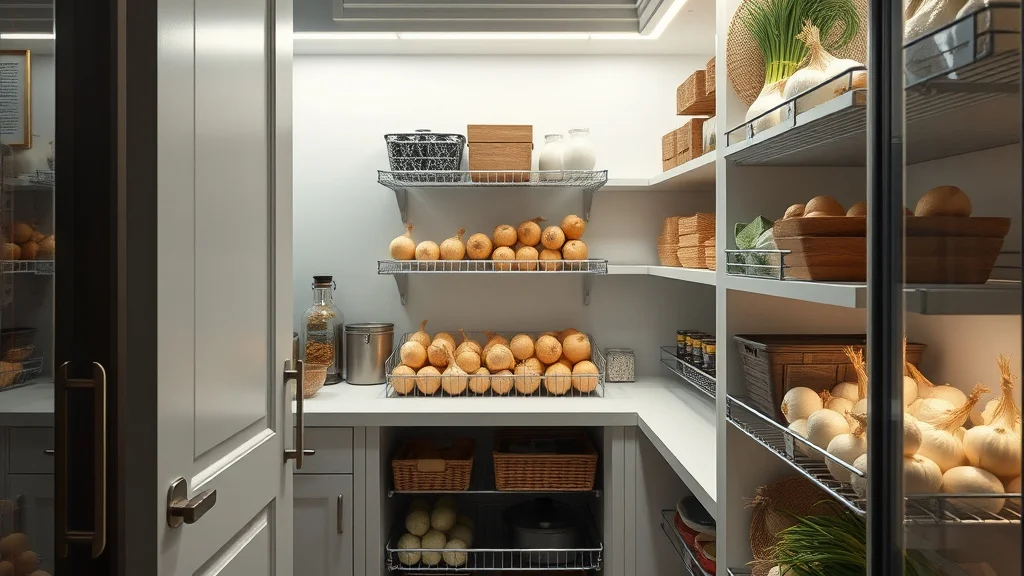
Managing pantry storage effectively is an essential skill for every home cook. Among the various pantry items, onions play a significant role in meal preparation. However, improper storage can lead to premature sprouting, spoilage, or loss of flavor. Properly storing onions not only prolongs their shelf life but also ensures that their flavor remains intact until they are needed. This guide will provide a detailed exploration of pantry onion storage, helping you achieve an organized and efficient kitchen environment.
The Importance of Proper Onion Storage
Onions are unique in that they require specific conditions to stay fresh. While they are hardy vegetables, exposure to improper conditions can lead to rapid spoilage. Proper storage ensures that your onions remain fresh and flavorful, which is crucial for maintaining the quality of your recipes. Understanding the science behind onion storage is the first step in optimizing your pantry setup.
The Ideal Environment for Onion Storage
Onions require a dark, cool, and well-ventilated space to thrive. Avoiding direct sunlight is essential as it accelerates degradation and promotes sprouting. Consider the following factors when planning your onion storage:
- Temperature: Onions store best at temperatures between 45°F to 55°F (7°C to 13°C).
- Humidity: A dry environment prevents mold growth and rot.
- Ventilation: Proper airflow prevents moisture buildup and spoiling.
A Closer Look: Whole Onions vs. Onion Rings/Bulbs
When storing onions, you can choose between keeping them whole or slicing them into rings or bulbs. Each method has distinct advantages and disadvantages that affect shelf life and usability.
| Storage Option | Advantages | Disadvantages |
|---|---|---|
| Whole Onions |
|
|
| Sliced Onions (Rings/Bulbs) |
|
|
How to Store Whole Onions
Keeping onions whole and unpeeled is a time-tested storage method. This requires a designated area in your pantry where onions can receive ample airflow and remain dry. Consider using wire baskets or mesh bags, which allow for light ventilation and reduce moisture accumulation. Regularly inspecting onions for signs of spoilage can help maintain the quality of your stock.
Benefits of Sliced Onion Storage
Storing onions in sliced form is ideal for those who prioritize convenience. However, it requires refrigeration to maintain freshness. Airtight containers or zipper bags are preferred methods to prevent moisture loss and minimize odor. Despite a shorter shelf life, sliced onions are ready for immediate use in recipes.
Using Mesh Bags for Optimal Onion Storage
Mesh bags are highly recommended for storing onions due to their breathability. The gaps in the netting allow for excellent air circulation, which is crucial for maintaining the onions’ integrity. Available in various sizes, these bags are also reusable and eco-friendly, making them a valuable addition to your pantry arsenal.
The Role of Baskets and Bins in Onion Storage
Organizing your pantry with baskets or bins dedicated to onions can streamline your storage. These containers help contain any mess and allow for easy access when needed. Ensure they have holes or slits for ventilation to avoid moisture build-up. Properly labeled bins can also enhance the organization and identification of onions within your pantry.
Avoiding Common Onion Storage Mistakes
Storing onions improperly is a common mistake that can lead to waste. Key habits to avoid include storing them next to potatoes, which emit gases that can accelerate the spoilage of onions. Moreover, tightly sealing onions in plastic without ventilation is a surefire way to create a moist environment conducive to decay.
Innovative Storage Solutions for Small Kitchens
For those with limited space, innovative solutions such as hanging baskets or stacking bins can maximize onion storage. Utilizing vertical space and organizing items efficiently allows for easy accessibility while maintaining the quality of your onions. Achieving a clutter-free environment is essential in maintaining a functional kitchen.
Maintaining the Quality of Onions Post-Purchase
To ensure the long-term quality of your onions, it’s important to inspect the produce before purchase. Selecting firm, dry onions without visible defects or sprouting starts the storage process with a robust foundation. Proper handling throughout the purchase and storage phases will ensure your onions’ longevity and flavor. Check prices on Amazon
Understanding the Signs of Spoilage
Recognizing when onions are past their prime is an essential skill. Signs include soft spots, a foul odor, and noticeable sprouting. By regularly checking for these indicators, you can prevent spoiled onions from compromising the rest of your pantry. Removing affected onions promptly will help maintain the overall condition of your storage area.
Frequently Asked Questions
How long do onions last in the pantry?
Whole onions generally last up to three months in a well-ventilated, dry, and cool pantry environment. However, this can vary depending on the storage conditions and onion variety.
Can you store onions and potatoes together?
No, it is not recommended to store onions and potatoes together. Potatoes emit gases that can cause onions to spoil more quickly.
Is refrigeration necessary for onion storage?
Refrigeration is not necessary for whole onions but is recommended for storing sliced or cut onions to preserve freshness and prevent spoilage.
What are the best containers for storing onions?
Mesh bags, wire baskets, or slotted bins are ideal for storing onions as they provide proper ventilation and keep the onions dry.
Why do onions sprout, and how can it be prevented?
Sprouting occurs due to humidity and warmth. Proper storage conditions such as a cool, dry, and dark location can help prevent sprouting.
What should I do with sprouted onions?
Sprouted onions can still be consumed but should be used promptly. Remove the sprouts and use the onion in cooked dishes to avoid waste.
Are there specific storage methods for different onion varieties?
While most onions benefit from similar storage methods, it is always a good idea to consult storage guidelines for specific varieties like sweet onions which may have a shorter shelf life.
How do I deal with onion odors in my pantry?
Onion odors can be mitigated by storing them in well-ventilated areas, ensuring they are dry, and using odor-absorbing materials like baking soda or charcoal near the storage area.
Final Thoughts
Effective onion storage in your pantry is essential for maintaining kitchen efficiency and flavor integrity in your cooking. By understanding the best practices for both whole and sliced onions, and avoiding common storage mistakes, you ensure that your pantry remains organized and your onions last as long as possible. Implementing these strategies can make a significant difference in preventing waste and making your meal-prepping processes more streamlined and enjoyable.
