

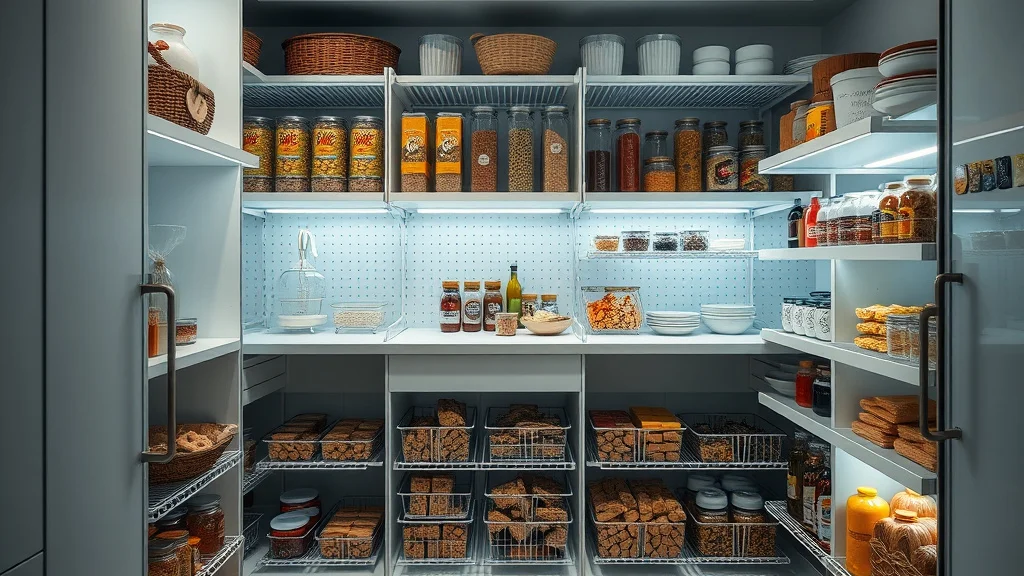
In our modern kitchens, storage space is often at a premium. As our grocery shopping habits evolve to accommodate busy schedules and economic choices, effective pantry organization and food storage are crucial. Not only does a well-organized pantry help to ensure food safety and prolong freshness, but it also enhances the functionality of your kitchen, making meal preparation a smoother, more enjoyable experience. This comprehensive guide will delve into the essential strategies for organizing and maintaining your pantry with efficiency and style. Whether you’re dealing with a spacious walk-in pantry or a compact cupboard, the principles of proper food storage remain the same, ensuring that the contents remain fresh, accessible, and safe to consume.
Identifying Your Pantry Needs
Before you begin revamping your pantry storage solutions, it’s important to assess your specific needs. Consider the types of food items you frequently purchase and the amount of pantry space you have. For example, if you frequently buy canned goods, you’ll need sturdy shelving that can support their weight. On the other hand, if you prefer fresh produce, you might require baskets or bins that allow for air circulation. Once you understand your needs, you can start planning your pantry layout accordingly, choosing solutions that best suit your lifestyle and dietary habits.
Choosing the Right Storage Solutions
Proper storage solutions are the backbone of a well-organized pantry. Options abound, from wire shelving to custom-built wood cabinetry. Wire shelving offers visibility and air circulation, making it a suitable choice for items that benefit from a cooler environment. In contrast, closed cabinetry can offer a tidier appearance and is often aesthetically pleasing. Consider the pros and cons of each style to choose what fits best with your pantry’s design and your organizational preference.
Comparison of Pantry Organization Options
| Pantry Storage Type | Pros | Cons |
|---|---|---|
| Wire Shelving |
|
|
| Custom-Built Wood Cabinetry |
|
|
Labeling and Categorization
Effective labeling and categorization can drastically enhance the functionality of your pantry. By clearly labeling containers and designating specific areas for different food groups, you streamline the search for ingredients. Consider investing in a label maker or use waterproof markers to label everything from grains and pasta to spices and baking supplies. Categorization helps in keeping similar items together, which not only makes finding things easier but also assists in managing your grocery list efficiently.
Optimal Shelf Arrangement
Once storage solutions and labeling are in place, arranging your shelves is the next step. Prioritize pantry items based on frequency of use. Everyday essentials should be within easy reach, while less frequently used items can be placed on higher or lower shelves. Consider grouping items by meal type; for instance, keep pasta, canned tomatoes, and sauces together for easy pasta preparation. Proper arrangement maximizes space usage and minimizes time spent locating items.
Utilizing Clear Containers
Clear containers are a staple in pantry organization. They provide visual clarity, enabling you to see contents at a glance without opening them. Opt for containers with airtight seals to keep ingredients fresh and free from pests. Clear bins and jars can be used for everything from cereals and grains to snacks and baking ingredients. An added benefit is that uniform containers help maintain a tidy appearance, making your pantry both functional and visually appealing.
Managing Expiry Dates
To avoid the risk of food waste, managing expiry dates is paramount. Keep a running inventory of pantry items, including their expiration dates. Designate one area for soon-to-expire items, increasing the chances they’ll be used in time. Implement a ‘first in, first out’ (FIFO) system where new items are placed behind older ones, ensuring older products are consumed first. Regular checks and updates to your inventory can make it easier to keep track of when items need to be replaced.
Incorporating Adjustable Shelves
Adjustable shelves provide the flexibility to accommodate various item sizes, making them an excellent option for dynamic pantry needs. Whether you need to store tall cereal boxes or small spice jars, adjustable shelving can be customized to fit any situation. This versatility is particularly useful in pantries storing diverse food items, as shelf heights can be rearranged to fit bulk purchases or seasonal items throughout the year.
Space-Saving Accessories
In smaller pantries, efficient space utilization is crucial. Several space-saving accessories can aid in this task, such as stackable bins, door organizers, and undershelf baskets. These accessories take advantage of otherwise unused spaces, like the back of doors or beneath existing shelves, ensuring you maximize every inch of your pantry. Utilizing these accessories effectively can free up valuable shelf space and make your pantry more accessible.
Ensuring Freshness with Climate Considerations
The ambient temperature and humidity levels in your pantry can significantly affect the longevity of your food items. Consider installing a small hygrometer to monitor humidity levels, keeping them below the recommended 50-60% to prevent spoilage. Proper ventilation is also key in maintaining a stable environment. If your pantry is prone to heat fluctuations, try to store temperature-sensitive items such as cooking oils away from sources of heat. Check prices on Amazon
Maintaining a Regular Cleaning Schedule
Maintaining cleanliness in your pantry not only preserves food quality but also prevents pest infestations and mold growth. Establish a regular cleaning schedule to wipe down shelves, check for expired items, and reorganize as necessary. Empty one shelf at a time to clean thoroughly, ensuring no corners are neglected. Keeping your pantry clean and tidy promotes a healthier environment and a more efficient kitchen.
Frequently Asked Questions
What is the best way to store grains and cereals?
Grains and cereals should be stored in airtight containers to prevent pest infestation and moisture absorption, which can lead to spoilage.
How can I best utilize a small pantry space?
Use stackable containers, door organizers, and adjustable shelves to maximize vertical space. Optimize every available space with space-saving accessories.
What should I do about food that doesn’t fit in containers?
Consider investing in larger containers or use labeled baskets to keep such items organized. Another solution is to use the original packaging and keep it in a designated basket.
How often should I organize my pantry?
Organizing your pantry quarterly is a good practice, but a quick check every month to manage stock levels and expiry dates can be beneficial.
Are there specific foods that should not be stored in the pantry?
Perishable foods like dairy products and most fresh produce should not be stored in the pantry as they require refrigeration to stay fresh.
What are some effective pest prevention tips?
Store food in airtight containers, keep your pantry clean, regularly check for and discard expired items, and seal cracks and crevices to deter pests.
Can I use decorative containers for storage?
Yes, decorative containers can add aesthetic value to your pantry, as long as they are airtight to maintain food freshness.
How do I manage pantry odors?
Regular cleaning and the use of natural odor absorbers like baking soda, activated charcoal, or coffee grounds can help neutralize undesirable odors in your pantry.
Final Thoughts
Pantry organization is not just about aesthetics; it’s about creating an efficient, functional space where every item is easily accessible and stored safely. By choosing the right storage solutions, implementing systematic labeling and categorization, and keeping a regular maintenance schedule, you’ll not only enhance the functionality of your kitchen but also reduce food waste and increase convenience during meal preparation. With these tips and techniques, you can transform your pantry into an organized haven that meets your household’s needs while reflecting your personal style.
