
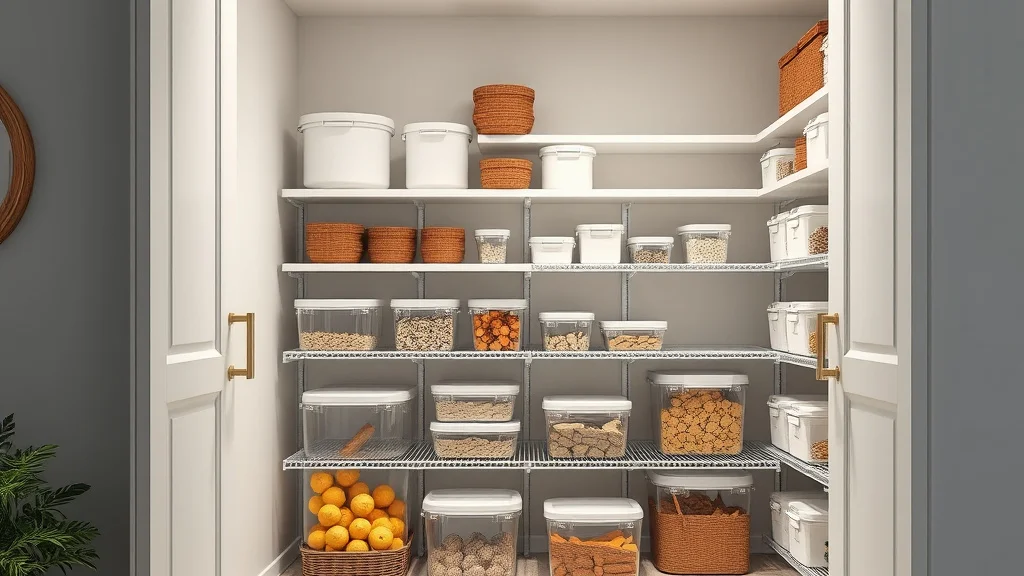
In the quest to optimize kitchen spaces, large pantry storage containers have become an essential tool for home organization enthusiasts and practical homeowners alike. Not just limited to the preservation of dry goods, these containers serve as a stylish and effective solution to declutter and streamline kitchen processes. Whether you’re looking to keep your cereals crispy, preserve the robustness of spices, or simply gain time in meal preparation, understanding the various options available can greatly impact your overall storage strategy. In this comprehensive guide, we’ll explore the world of large pantry storage containers, helping you to make informed decisions tailored to your individual needs.
Why Use Large Pantry Storage Containers?
Pantry organization isn’t solely about aesthetics; it significantly impacts the usability and efficiency of your kitchen. Large pantry storage containers offer numerous benefits:
- Maximized Space Utilization: By stacking and organizing items, containers allow you to maximize limited pantry spaces.
- Product Visibility: Transparent containers provide an immediate view of their contents, making it easier to manage inventory and save time during meal preparations.
- Enhanced Freshness: Airtight containers preserve the freshness of ingredients by protecting them from air, humidity, and pests.
- Improved Accessibility: With everything neatly stored and labeled, it’s easier to access what you need without rummaging through crowded shelves.
Materials: Plastic vs. Glass Containers
One of the most critical factors to consider when selecting pantry storage containers is the material they’re made from. The choice typically boils down to two options: plastic and glass.
Plastic Pantry Storage Containers
Plastic containers are a popular choice among homeowners due to their lightweight nature and affordability. Some key features include:
- Durability: Resistant to breakage, making them ideal for households with children.
- Portability: Lightweight, making them easy to handle, particularly for larger volumes of food.
- Variety: Available in numerous shapes and sizes to accommodate different pantry needs.
On the downside, plastic containers can retain stains and odors and might not be suitable for hot contents.
Glass Pantry Storage Containers
For those seeking a slightly more upscale option, glass containers offer a sleek and durable solution. Key advantages include:
- Nonporous Surface: Does not retain stains, odors, or flavors, keeping contents tasting just as they should.
- Heat Resistance: Glass can withstand higher temperatures, making it versatile for multiple uses.
- Weight: Heavier and sturdier, adding an element of stability.
The main challenges with glass containers are their breakability and typically higher cost compared to plastic alternatives.
Comparison Table: Plastic vs. Glass Pantry Storage Containers
| Features | Plastic Containers | Glass Containers |
|---|---|---|
| Durability | Highly Durable | Less Durable |
| Weight | Lightweight | Heavy |
| Cost | Affordable | Expensive |
| Heat Resistance | Low | High |
| Odor Retention | Can retain odors | No odor retention |
Key Considerations When Choosing Pantry Storage Containers
Selecting the right pantry storage containers involves careful consideration of various factors such as:
- Size and Shape: Opt for containers that are stackable and can easily fit into your pantry shelves.
- Airtight Seal: To maintain the freshness of your food, choose containers with secure airtight seals.
- Ease of Cleaning: Consider containers that are dishwasher safe for convenience.
- Labeling Options: Containers with writable surfaces or clear areas for labels aid in better organization.
Best Practices for Organizing Pantry Containers
Effective pantry organization involves more than just selecting the right containers. Implement these best practices to enhance your pantry setup:
- Categorize: Group similar items together using containers for grains, snacks, spices, etc.
- Use Uniform Sizes: Opt for the same brand or model of containers to create a cohesive look and improve stackability.
- Date and Label: Mark the date of purchase or expiration on each container to keep track of freshness.
- Regular Maintenance: Periodically clean out your pantry and check the condition of your stored foods.
Sustainability in Pantry Container Choices
With growing environmental concerns, sustainable options are an important consideration:
- Reusable Materials: Choose containers made from recycled materials or are otherwise recyclable.
- Longevity: Invest in high-quality containers that will last for years, reducing waste.
- Upcycling: Repurpose glass jars and other containers for storage before purchasing new options.
Brands Leading the Market
The pantry container market is vast, but some brands consistently stand out for quality and innovation:
- OXO: Known for its pop-up lids and sturdy construction, OXO containers are a favorite for their blend of style and functionality.
- Tupperware: A classic in the world of storage solutions, Tupperware offers a range of options that have stood the test of time.
- Pyrex: Renowned for glass containers, Pyrex offers durable and versatile options for both storage and cooking.
Innovations in Pantry Storage Containers
The evolution of pantry storage containers continues with innovations that enhance user experience:
- Smart Containers: Some modern containers now come with features like timers or connectivity to IoT devices to track inventory.
- Flexible Materials: Containers made from silicone can adapt to various shapes and sizes, offering adaptability in storage.
- Enhanced Seals: New sealing technologies ensure containers are even more effective at preserving freshness.
Seasonal Considerations for Pantry Storage
Pantry needs may change with the seasons, impacting the types of storage containers you require:
- Winter: Stock up on larger containers for soups and broths.
- Spring: Focus on freshness with airtight containers for spring produce and grains.
- Summer: Utilize temperature-resistant containers to store dried fruits and seeds.
Investment vs. Budget: Finding the Balance
Choosing pantry storage containers often represents a balance between investment and budget:
- Long-Term Investment: Consider durable, high-quality containers that justify a higher initial cost with long-term use.
- Budget-Friendly Options: There are several cost-effective options available that don’t sacrifice quality.
- Mix and Match: Combining different types and brands can help optimize cost without compromising on functionality.
Frequently Asked Questions
What sizes of containers should I choose for different pantry items?
Opt for large containers for bulk foods like rice and flour, medium-size for pasta and cereals, and smaller ones for spices and condiments. Check prices on Amazon
Are plastic or glass containers more hygienic?
Both materials can be hygienic if properly cleaned; however, glass is nonporous and does not retain odors or stains.
How can I ensure the best seal for my pantry storage containers?
Look for containers with silicone seals and latch or clamp mechanisms that ensure airtight closure.
Are there any pantry storage containers safe for microwaving?
Most glass containers are microwave safe. Some plastics are designed for microwaving, but it’s important to check manufacturer guidelines.
How can I prevent pantry moths using storage containers?
Ensure containers are airtight to keep pests out and regularly clean storage areas to prevent infestations.
Can pantry storage containers be used in the freezer?
Many containers are versatile enough for freezer use, especially glass ones, but always check product specifications first.
Should I label my pantry storage containers?
Yes, labeling containers helps with organization and ensures you can easily identify different contents.
How do I clean pantry storage containers?
Most containers can be washed with warm soapy water. Check if they are dishwasher safe for added convenience.
Final Thoughts
Large pantry storage containers are vital for an organized, efficient, and aesthetically pleasing kitchen. By considering aspects such as material, size, cost, and sustainability, you can refine your storage strategy to suit your needs. Investing in high-quality containers will not only enhance your pantry’s visual appeal but will also ensure longevity, reduce waste, and promote better food preservation. With the right selection and arrangement, every pantry can transform into a space that inspires both creativity and practicality in the kitchen.
