
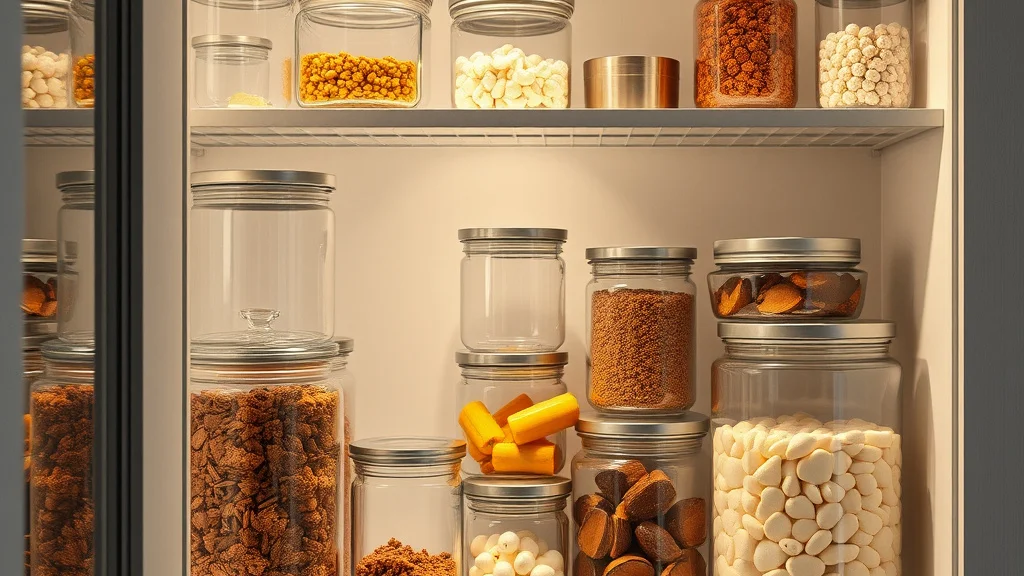
In today’s modern kitchens, the emphasis on organization and sustainability has never been greater. The way we store our food not only affects the efficiency of our kitchens but also our health and the environment. Glass pantry storage containers have emerged as a contemporary favorite, combining elegance with functionality. They offer a visually appealing way to store pantry items while ensuring food safety and freshness. But with various options available, finding the right glass storage containers can be overwhelming. This article serves as a guide to understanding the nuances of glass pantry storage containers, providing insights into their benefits and how to best utilize them in your kitchen space. Welcome to ‘The Complete Glass Pantry Storage Containers Handbook’!
The Advantages of Using Glass Pantry Containers
Glass pantry storage containers bring a multitude of benefits, making them a preferred choice for many homeowners. Here are some compelling reasons to consider transitioning to glass:
- Durability and Longevity: Unlike their plastic counterparts, glass containers can withstand high temperatures and do not warp over time. They’re resistant to scratches and retain their clarity, maintaining a fresh look for years.
- Non-Toxic: Glass is a non-toxic material that doesn’t leach harmful chemicals into food, ensuring your pantry items remain safe to consume.
- Environmentally Friendly: As a sustainable option, glass can be recycled indefinitely without loss in quality or purity.
- Aesthetic Appeal: Glass containers provide a crystal-clear view of contents, allowing for easy identification of pantry items and enhancing your kitchen’s aesthetic appeal.
Types of Glass Storage Containers for the Pantry
Glass containers come in various styles and functionalities tailored to meet specific storage needs. Here’s a look at two popular types of glass storage containers:
- Tempered Glass Containers: These are made stronger through a controlled thermal or chemical treatment, making them resistant to breakage. Perfect for high-temperature storage or environments.
- Borosilicate Glass Containers: Engineered to withstand sudden temperature changes, borosilicate is less prone to cracking under extreme temperatures, making it ideal for all-around storage.
| Feature | Tempered Glass | Borosilicate Glass |
|---|---|---|
| Durability | High | Very High |
| Temperature Resistance | Moderate | Very High |
| Cost | Moderately Priced | Higher Priced |
| Weight | Heavier | Lighter |
| Purpose | Everyday Use | Specialized Use (temperature fluctuations) |
Choosing the Right Size and Shape
When selecting glass pantry storage containers, consider the size and shape of the containers that will best suit your needs. Different sizes and shapes allow for versatility in storage:
- Standard Jar Sizes: Perfect for storing frequently used items like sugar, coffee, or pasta.
- Square or Rectangle Shapes: Ideal for maximizing storage space as they fit neatly together, reducing wasted space in your pantry.
- Tall, Slim Containers: Best for storing items like spaghetti or breadsticks.
Assess your pantry storage needs and available space to choose the sizes and shapes that will keep your kitchen organized and functional.
Sealing Mechanisms: Keeping Food Fresh
The sealing mechanism of a glass container is crucial for maintaining the freshness of pantry items. Various options are available:
- Snap-On Lids with Silicone Seals: Provide an airtight seal, preventing air and moisture from entering the container.
- Clip-Top Lids: These lids offer a secure closure but are less airtight compared to silicone-sealed lids.
- Twist-On Lids: Often found in jars, they are practical but rely on the material quality for airtightness.
Having a reliable sealing mechanism is essential for keeping pantry items fresh and preventing pests. Choose based on your storage needs and the types of foods you plan to store.
Cleaning and Maintenance of Glass Pantry Storage Containers
Maintaining the cleanliness and functionality of glass containers involves proper cleaning techniques:
- Dishwasher Safe: Most glass containers are dishwasher safe, providing an easy cleaning solution.
- Manual Cleaning for Lids: Lids, especially those with silicone seals, are best cleaned by hand to maintain their integrity.
- Avoid Abrasive Materials: Use non-abrasive sponges or cloths to ensure the glass surface remains scratch-free and clear.
Proper cleaning and maintenance extend the life of your glass containers and ensure they remain hygienic for repeated use.
Organizational Tips Using Glass Pantry Containers
Effective organization of your pantry can be enhanced significantly with the use of glass storage containers. Here are some tips:
- Labeling: Use clear labels for quick identification. This also adds a uniform look to the pantry.
- Stackability: Choose containers that are stackable to make the most of your vertical space.
- Group by Type: Cluster similar items together (grains, snacks, baking necessities) to make retrieving items more intuitive.
An organized pantry not only improves efficiency but also makes cooking and meal preparation more enjoyable.
Safety Considerations When Using Glass Containers
While glass is a safe material, it’s important to adhere to these safety considerations in your home:
- Handle with Care: Always handle glass with care to prevent chipping or breakage, especially when wet.
- Avoid Extreme Temperature Changes: Though borosilicate glass can withstand thermal shocks, avoid drastic temperature changes to minimize the risk of breakage.
- Check for Cracks: Regularly inspect your containers for any cracks or chips that could lead to shattering.
By taking these precautions, you can ensure the safety and longevity of your glass storage solutions.
Decorative Uses of Glass Pantry Storage Containers
Glass containers are not only functional but also add an aesthetic touch to your kitchen decor:
- Display Ingredients: Use glass containers to display colorful pastas, spices, and beans as part of your kitchen decor.
- Creative Arrangement: Arrange containers in a visually pleasing manner to add decorative flair.
- Themed Collections: Consider themed collections for the holidays or color-coded lids for an added decorative touch.
With a little creativity, glass pantry storage containers can transform your kitchen into a harmonious and visually appealing space.
Avoiding Common Mistakes with Glass Storage
When using glass storage containers, there are common pitfalls to avoid:
- Overloading: Avoid over-filling containers to ensure lids seal properly.
- Storing in Direct Sunlight: Keep your glass containers away from direct sunlight, which can affect the content’s quality.
- Neglecting Regular Updates: Periodically check pantry items for expiration dates and freshness.
By avoiding these common mistakes, you can make the most of your glass pantry storage containers and maintain an organized pantry. Check prices on Amazon
Frequently Asked Questions
Are glass pantry storage containers microwave safe?
Generally, most glass containers are safe for microwave use, but always check the manufacturer’s specifications to be sure.
Can I store all types of food in glass containers?
Yes, glass containers are versatile and can store a wide range of food items including dry goods, refrigerated items, and liquids.
How do glass storage containers compare to plastic ones?
Glass storage containers are more durable, non-toxic, and eco-friendly compared to plastic containers, ensuring better health and safety.
Do glass containers keep food fresher than plastic?
Yes, glass combined with airtight lids often keeps food fresher for longer periods as it prevents permeability better than many plastics.
Can I freeze food in glass containers?
Freezing in glass containers is possible, but care must be taken to avoid overfilling as contents expand when frozen.
What is borosilicate glass, and why is it preferred?
Borosilicate glass is a type of glass that includes boron trioxide, making it resistant to thermal shock and ideal for both hot and cold storage.
How do I deal with lids that no longer seal properly?
Check for damage and clean seals regularly. If the problem persists, it may be time to replace the lid or entire container.
Are there any downsides to using glass pantry storage containers?
The main downsides are their weight and the risk of breakage. However, the benefits often outweigh these concerns for many users.
Final Thoughts
Glass pantry storage containers are a valuable investment for any kitchen, offering a sustainable, safe, and aesthetically pleasing alternative to plastic. By choosing the right type, size, and sealing mechanism, you can enhance your kitchen’s organization and efficiency. Remember to maintain and clean your containers properly, and they will serve you well for many years. Whether for functionality or decor, glass containers fit seamlessly into the modern kitchen, making them a cornerstone in home organization.
