
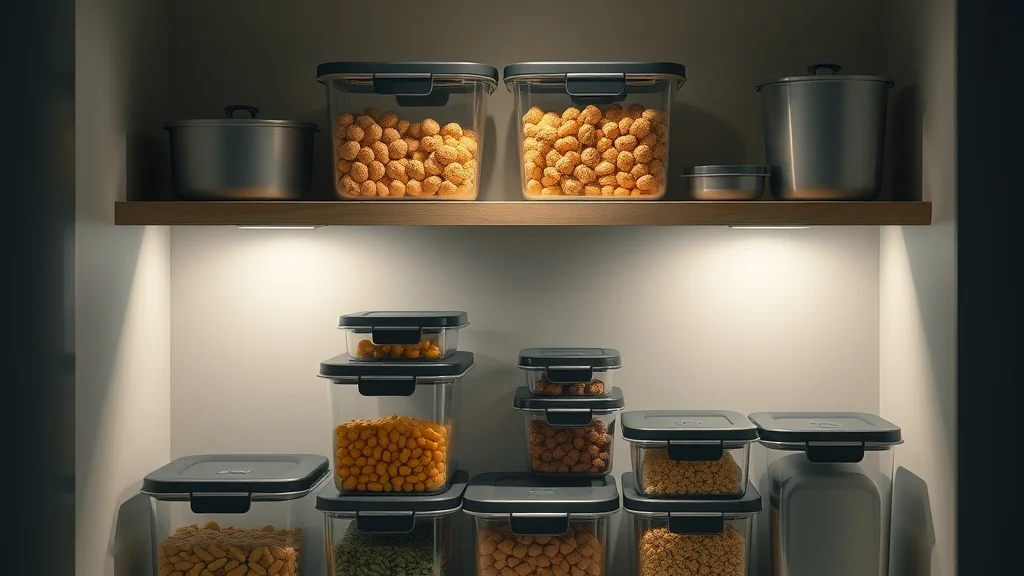
In the quest for organized living spaces, the pantry is an area that often demands attention. An efficient and attractive pantry setup can make meal preparation a breeze, reduce food waste, and enhance your kitchen’s overall aesthetic. Modern kitchens brim with culinary treasures, from exotic spices to various grains, and proper food storage pantry containers are vital in maintaining these ingredients’ freshness. This guide provides an in-depth exploration of food storage containers, providing valuable insights into transforming your pantry into a well-ordered, functional space.
Understanding the Importance of Pantry Organization
Embarking on a pantry organization journey requires acknowledging why it’s so crucial. Messy shelves can lead to expired ingredients, wasted food, and inevitably, wasted money. An organized pantry ensures you can quickly locate items, maintain an inventory, and create meals more efficiently. This streamlined approach to cooking and food management fosters a less stressful cooking environment, where you can confidently manage your culinary resources.
Types of Food Storage Pantry Containers
Various container types are available, each serving unique needs. Generally, food storage containers can be categorized into two main options: plastic and glass. Both types have their distinct advantages and limitations. To select the best option, it’s essential to understand how each form can benefit your pantry organization based on your specific needs.
Plastic vs. Glass Pantry Containers: A Comparison
To make an informed decision between plastic and glass pantry containers, consider factors like durability, ease of cleaning, and environmental impact. Below is a comparative table to assist with your selection.
| Feature | Plastic Containers | Glass Containers |
|---|---|---|
| Durability | Highly durable and shatter-proof | Durable but can break if dropped |
| Transparency | Often transparent, varies by manufacturer | Completely transparent |
| Weight | Lightweight | Heavier than plastic |
| Environmental Impact | Less eco-friendly; often non-recyclable | Generally more eco-friendly and recyclable |
| Price | Usually more affordable | Can be more expensive |
Key Features of High-Quality Pantry Containers
Not all containers are created equal. When selecting storage containers for your pantry, look for the following features:
- Airtight seals to preserve freshness and prevent pests.
- Stackability to maximize storage space.
- Clear bodies for easy content identification.
- Easily manageable lid systems.
These features ensure the containers offer practicality and effective food preservation.
The Role of Labels in Pantry Organization
Labels are indispensable in a well-arranged pantry. They allow for quick identification of contents and expiration dates. Choose labeling systems that are easy to update, such as reusable chalkboard stickers or erasable markers for glass containers. Labels can transform a generic container into a customized storage solution, ensuring the efficient management of pantry items.
Budgeting for Your Pantry Organization Project
Pantry organization does not have to be an extravagant expense. Assess the total number of containers required, their types, and desired features to create an accurate budget. Consider bulk sets which often offer cost savings but maintain a mindful approach to avoid unnecessary purchases. Striking a balance between functionality and affordability will allow you to achieve a desired level of organization without compromising your financial plans.
Eco-Friendly Storage Solutions
With an increasing focus on sustainable living, eco-friendly pantry storage solutions are more popular than ever. These options include containers made from recycled materials or those with minimal environmental impact due to their durability and recyclability. Opting for products like glass or bamboo lids can contribute to a more sustainable lifestyle while ensuring the aesthetic appeal of your pantry.
Innovative Designs and Technologies in Pantry Containers
Modern pantry containers come with innovative designs that extend beyond mere storage. Advanced technologies, such as vacuum-seal mechanisms, preserve ingredient freshness for extended periods. Some containers are designed to cater to specific food types, such as spice jars with built-in grinders, offering more than just storage capabilities. Exploring these innovations can lead to a more efficient and enjoyable kitchen experience.
Maintaining Your Pantry Containers
To ensure longevity and hygiene, routine maintenance of your pantry containers is essential. Regular washing and drying will prevent any residue buildup or bacteria growth. Inspect seals and closures periodically to maintain airtight integrity. By taking proper care of your containers, you ensure lasting effectiveness and continued organizational success in your pantry. Check prices on Amazon
Organizing Your Pantry: Tips and Tricks
Achieving an organized pantry involves strategic placement and thoughtful categorization of items. Consider these organizational tips:
- Group similar items together for efficiency.
- Utilize risers or shelving for vertical space optimization.
- Place frequently used items at eye level for quick access.
- Rotate stock to ensure older items are used first.
Implementing these practices into your pantry organization routine will foster an efficient and practical storage environment.
Frequently Asked Questions
What are the benefits of using glass pantry containers?
Glass containers offer transparency, durability, and are often more environmentally friendly. They’re excellent for long-term storage as they don’t absorb odors and maintain food freshness.
How do airtight seals help in food storage?
Airtight seals keep out air and moisture, reducing the risk of spoiling and preventing pest access. This helps in maintaining the freshness and longevity of your pantry items.
Are plastic containers safe for food storage?
Plastic containers marked BPA-free are generally considered safe for food storage. Ensure they’re made from high-quality plastic to minimize potential risks.
How can I prevent food waste in my pantry?
Using clear, labeled containers and regularly rotating your stock helps prevent items from being forgotten or expiring, reducing food waste significantly.
What should I consider when buying pantry containers?
Consider the container size, material, features like airtight seals, stackability, and your specific storage requirements to ensure they meet both your organizational and practical needs.
Can I use the same containers for all types of food?
While many general-purpose containers exist, some foods may require specific containers—such as ones with temperature control or spice jars with grinders—for optimal storage conditions.
How do labels contribute to pantry organization?
Labels facilitate easy identification and management of pantry contents, helping to track inventory and prevent redundancy or overspending during grocery shopping.
What are the latest innovations in food storage containers?
Recent innovations include vacuum-sealed containers, modular designs for space efficiency, and smart containers with sensors for inventory management and freshness indication.
Final Thoughts
Organizing your pantry with food storage containers involves a thoughtful balance of functionality, sustainability, and efficiency. By understanding the options available and implementing strategic organization techniques, you can transform your pantry into a space that not only stores your culinary treasures effectively but also enhances the ease and enjoyment of your cooking experiences. With conscientious planning and the right tools, any home chef can enjoy a pristine, efficiently organized pantry that aligns with both practical needs and aesthetic preferences. Investing in quality pantry containers has lasting benefits, streamlining daily kitchen operations and promoting healthy food management practices.
