
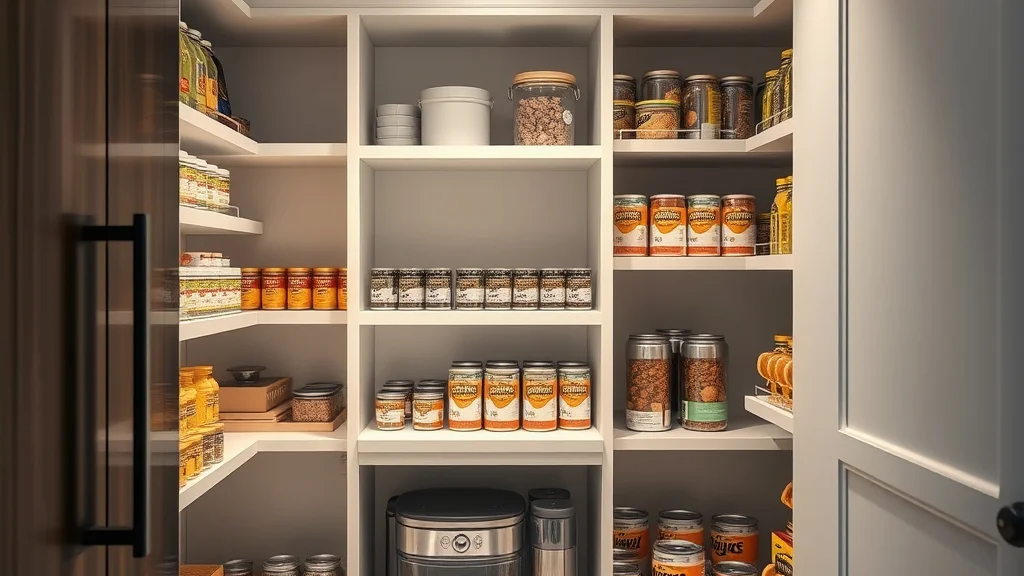
In today’s fast-paced world, the kitchen pantry plays a pivotal role in ensuring that our homes run smoothly and efficiently. Among the pantry essentials are canned goods, known for their long shelf life and versatility. Proper can storage is crucial to maximizing space, maintaining order, and preserving the quality of these goods. Whether you’re a culinary enthusiast stocking up on gourmet canned delights, or just someone who wants to keep everyday meal solutions at hand, organized can storage can make a world of difference. In this comprehensive guide, we’ll delve into various solutions to optimize your pantry storage space, explore the benefits and drawbacks of popular can storage systems, and offer useful tips and strategies to keep your pantry organized and efficient.
Canned Goods: Pantry Staples
Pantry storage isn’t just about order—it’s about making the most of your home’s food supply. Canned goods are staples for several reasons:
- Long Shelf Life: Canned goods can last for years, making them ideal for stockpiling.
- Variety: Cans offer everything from soups and vegetables to meats and sauces, supporting diverse meal options.
- Cost-effective: In many cases, canned goods are more affordable than fresh or frozen alternatives.
Given their importance, strategic storage is essential to ensure these benefits are fully realized.
Understanding Pantry Space: The First Step to Effective Storage
The first step in creating a functional pantry is understanding the space you have. Before you can organize, you need to evaluate your pantry size, shape, and individual constraints like shelves and cupboards. Ask yourself:
- What is the primary purpose of your pantry?
- How often do you shop and how much do you typically store at one time?
- Are there other amenities in your pantry, such as deep shelving or drawer systems?
By answering these questions, you can begin to tailor your pantry storage solutions to fit your specific needs.
The Importance of Proper Can Storage
Effective can storage isn’t just about aesthetics—it’s about accessibility and safety. Proper storage solutions can help you avoid:
- Expired Goods: Thoughtlessly stashed cans can lead to waste as expiry dates are overlooked.
- Inaccessible Items: Without a systematic approach, your pantry can turn into a cluttered mess with hard-to-reach items.
- Accidental Overpurchasing: When you can’t see what you own, you’re more likely to overbuy.
With thoughtful organization, you can keep your pantry functional, ensuring all items are visible and within easy reach.
Options for Can Storage: Standalone vs. Built-In
There are numerous can storage solutions, but most fall into the categories of standalone systems and built-in solutions. Below is a comparison table demonstrating their advantages and disadvantages.
| Feature | Standalone Systems | Built-In Solutions |
|---|---|---|
| Flexibility | High (easily moved or adjusted) | Low (fixed systems) |
| Customization | Moderate (limited customization options) | High (tailored to fit specific space needs) |
| Cost | Generally low to moderate | Can be high, depending on material and design |
| Load Capacity | Varies based on construction | Typically high (designed for existing pantry area) |
| Installation | No installation required | May need professional installation |
Standalone Can Storage Options
Standalone systems, such as rolling racks or tiered can organizers, offer flexibility and are excellent for renters or those who frequently change their living arrangements. They are easy to assemble and require minimal effort to move. There are many options available:
- Tiered can organizers: These metal or plastic stands offer multiple levels, often with adjustable dividers to accommodate cans of various sizes.
- Rolling pantry racks: These multi-shelf units can be tucked away into small spaces and rolled out for convenient access.
- Stackable containers: Clear containers help in easily identifying contents and allow for vertical storage, maximizing space.
These systems require no installation and can be adjusted to suit your current pantry size.
Built-In Can Storage Solutions
While standalone solutions shine with their adaptability, built-in systems are the long-term choice for homeowners determined to make their pantry more functional and stylish. Examples of built-in options include:
- Custom pull-out shelves: These allow cans to be stacked horizontally, making it easier to view and access their contents.
- Lazy Susans: Corner cabinets transform into efficient storage spaces with the addition of a Lazy Susan.
- Wall-mounted racks: Utilizing vertical wall space allows you to keep pantry floors clear by mounting racks tailored to can sizes.
These systems often require professional installation but make up for the initial cost with elegance and durability.
Maximizing Vertical Space in Your Pantry
The key to effective storage is often going vertical. Tiered shelves, stackable boxes, or rack systems elevate your storage game by using every inch of vertical space.
- Shelving units: Investing in adjustable shelving means as your storage needs change, so too can your pantry.
- Hanging solutions: Consider using hooks or magnetic strips to hang small jars or other light items.
By applying vertical strategies, your pantry can accommodate more without overcrowding.
Categorizing for Efficiency
Organizing your cans by category enhances efficiency. By knowing what’s available, meal planning, and grocery shopping become much easier. Consider grouping cans by:
- Meal Type: Breakfast, lunch, and dinner options stocked separately streamline your meal prep.
- Type of Food: Sorting according to basic groups like vegetables, fruits, proteins, and cooked meals.
- Frequency of Use: Place regularly used items within easy reach, with less common items toward the back.
Having a designated spot for each category ensures that every item has a home, reducing chaos even when you’re in a rush. Check prices on Amazon
Labeling Your Pantry
Labels can be a game changer in maintaining an organized pantry. Clear, concise labeling systems prevent confusion and help maintain order. Consider:
- Color-Coded Labels: Use colors to quickly identify groups or categories.
- Chalkboard Labels: Offer the option to easily update when reorganizing.
- Digital List or Inventory: Keep a digital inventory to prevent overstocking or understocking.
Labeling ensures effortless retrieval of items and keeps the pantry cohesive.
Ensuring Can Rotation: First In, First Out
One of the biggest advantages of organized storage systems is the ability to efficiently rotate stock. This strategy involves:
- Placing New Items in the Back: This ensures older stocks are used first, minimizing waste.
- Visual Aids: Use arrows or guides to communicate the direction for removing stock.
A dual approach with category-based organization and rotation systems means your cans will always be in optimal condition, and less likely to reach their expiration date unnoticed.
Checklist for Maintaining An Organized Pantry
Achieving pantry organization is one thing; maintaining it is another. Here’s a checklist to keep your pantry in top shape:
- Regularly check inventory and update lists.
- Clean shelves and containers periodically to prevent mess.
- Rotate stock every time you shop.
- Ensure labels are clear and up to date.
Regular maintenance ensures your pantry remains functional and hygienic for all your storage needs.
Frequently Asked Questions
How often should I rotate my canned goods?
It’s advisable to rotate your canned goods every time you restock your pantry to ensure older items are used first.
What is the best material for shelving in a humid area?
Metal or specially treated wood shelving are ideal for humid areas as they are resistant to warping and rust.
How can I maximize space in a small pantry?
Utilize vertical storage solutions, stackable containers, and consider over-the-door organizers to maximize space.
Are there DIY solutions for pantry organization?
Yes, DIY solutions like custom labeling and repurposing old containers or jars can be very effective.
What is the ideal temperature for storing canned goods?
Canned goods should be stored in a cool, dry place, ideally between 50-70°F to maintain quality.
Can I store cans on their sides?
It’s generally best to store cans upright to prevent rusting at the rim and to ensure they are stackable and stable.
How do I deal with unwanted pantry pests?
Clean regularly, store food in airtight containers, and check for signs of pests to maintain a pest-free pantry.
Is it worth investing in custom pantry solutions?
If you have the budget, custom solutions can be tailored to your needs, maximizing space and functionality in the long term.
Final Thoughts
Successfully organizing your pantry can transform your kitchen routine—streamlining meal preparations, cutting unnecessary purchases, and minimizing waste. With the right can storage system, whether standalone or built-in, your pantry can become both functional and visually pleasing. Whatever your needs or budget, adopting an organized approach ensures that your canned goods contribute positively to your home’s culinary efficiency. By maintaining clear, accessible systems consistently, your pantry can become a well-organized haven, where every can is within reach, and finding what you need is a breeze.
