

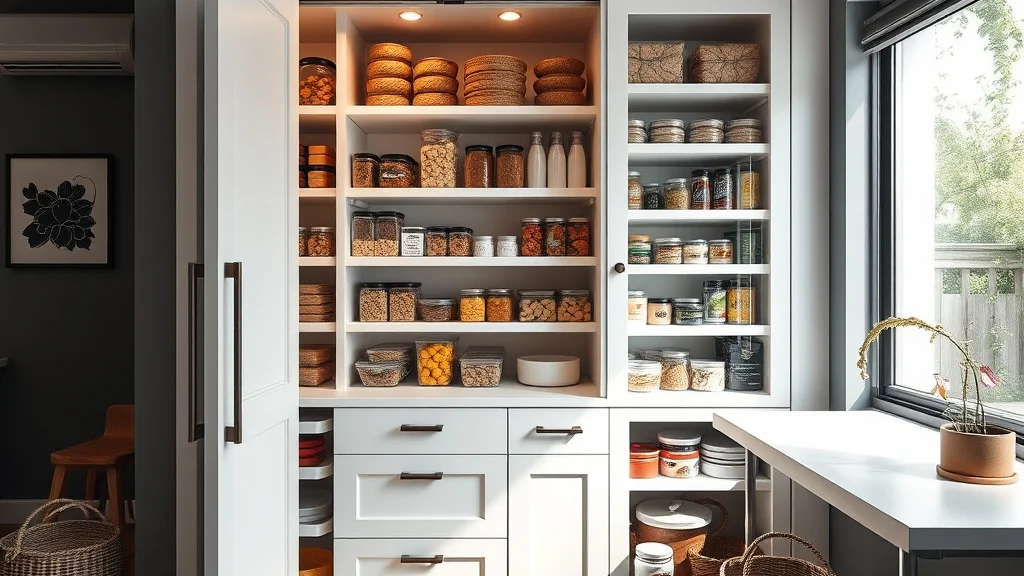
Creating a well-organized food pantry is a common goal, but achieving it can feel daunting. With the right storage solutions, you can make use of every inch, minimize clutter, and make sure that everything has its rightful place. Whether you’re dealing with a walk-in pantry or a small kitchen cabinet, having an accessible and efficient food storage area can streamline cooking, reduce food waste, and save time. This guide to food pantry storage ideas is designed to help you find the best approaches that fit your space and lifestyle.
Understanding Your Pantry Needs
Before diving into storage solutions, it’s important to delineate what you need from your pantry. Take stock of the types of food items you store and consider how often you access them. Are there items you buy in bulk? Do you need child-accessible shelves for snacks or kid-friendly items? Understanding these needs will inform which storage solutions will best suit you.
Choosing the Right Shelving System
The foundation of any well-organized pantry is an efficient shelving system. Consider whether adjustable shelving suits your needs or if fixed, heavy-duty shelves might be better for supporting bulk items like large cereal boxes and canned goods. Shelving material is also important; wire shelves, for example, allow for airflow and easy cleaning, while wood provides a solid base that’s less likely to dent boxed goods.
Comparison of Shelving Types
| Shelving Type | Advantages | Disadvantages |
|---|---|---|
| Wire Shelves |
|
|
| Wooden Shelves |
|
|
Utilizing Stackable Containers
Stackable containers are an excellent solution for maximizing vertical space. Look for containers that are transparent, enabling you to quickly identify contents. Airtight containers keep dry goods fresh, reducing food waste. Consider investing in a set with interchangeable lids to further streamline your storage and stack containers efficiently.
Labeling for Clarity
Labels are an indispensable component of organized pantry systems. Use clear and consistent labeling to not only identify contents but also track expiration dates. Consider using label makers for uniformity, or opt for erasable chalkboard labels for items that rotate frequently. This clarity can aid in inventory management and simplify meal planning.
Optimizing Door Storage
Pantry doors offer a versatile space for additional storage. Install hooks, racks, or baskets to this often overlooked area for items like spices, saran wrap, or smaller canned goods. Specifically designed door racks or over-the-door organizers can turn this empty area into valuable storage real estate.
Categorizing for Easy Access
A categorical approach is vital when planning your pantry layout. Group items by type or frequency of use, such as breakfast foods, baking supplies, and snacks. This logical grouping helps with efficient space use and reduces the time spent searching for items. Don’t forget to reserve prime, eye-level space for the most frequently accessed items.
Incorporating Lazy Susans
Lazy Susans are a perfect solution for reaching items in deep pantry shelves. These rotating trays provide easy access to jars, cans, and bottles without rummaging through stacked goods. Consider utilizing them in corner spaces and for storing oils, vinegar, or spices where they maintain order and efficiency at a glance.
Embracing Bins and Baskets
Bins and baskets offer a stylish and functional way to compartmentalize your pantry. Opt for bins to house loose items like snack packs or veggies, while baskets with handles make for easy retrieval. Standard sizes help with stacking and swapping the container’s location as needed without reorganizing the entire pantry.
Creating Zones and Stations
Designate specific areas for different tasks or food categories in your pantry. Create a baking station with all essentials in one location, or a grab-and-go snack area for kids. This zone strategy makes your pantry both intuitive and functional, supporting a seamless navigation that encourages every family member to locate and return items with ease.
Maximizing Small Spaces
In smaller kitchens, every square inch counts. Vertical dividers can help utilize taller shelves by storing items like baking sheets and cutting boards upright. Consider nesting containers or employing a step-shelf to make full use of limited depth. The goal is to ensure nothing gets buried and forgotten. Check prices on Amazon
Lighting Makes the Difference
Proper lighting is essential for a functional pantry. Motion sensor lights or LED strips can make immediately finding items a breeze, even in dark corners or low shelves. A well-lit space not only enhances visibility but also creates a more inviting environment, motivating you to keep your pantry organized.
Combining Style with Functionality
While functionality is key, style shouldn’t be overlooked. Choose complementary color schemes and materials that fit with your kitchen’s aesthetic. Knick-knacks, plants, or decorative bins can add a personal touch, transforming your pantry from a purely functional space to an extension of your kitchen’s decor.
Frequently Asked Questions
How can I make my pantry more energy-efficient?
Installing LED lighting and using sustainable materials for bins and labels can enhance your pantry’s energy efficiency and reduce your carbon footprint.
What is the best way to store canned goods?
Consider placing canned goods on sturdy shelves and using a can rack organizer, which maintains a first-in-first-out system to prevent expired items.
How do I prevent my pantry from becoming cluttered again?
Adopt the practice of reassessing your pantry quarterly and involve all household members in maintaining the organizational system in place.
Are there safe ways to store heavy items?
Place heavy items on lower shelves to prevent accidents and use reinforced shelving to support the weight safely.
Can I store potatoes and onions together?
Potatoes and onions should be stored separately, as onions can accelerate the spoilage of potatoes when they’re in close proximity.
How do I know which containers are best for dry goods?
Choose airtight, transparent containers to keep dry goods fresh while making the contents easily visible for quick identification.
What are the best practices for label maintenance?
Use waterproof or erasable labels for longevity, and ensure labels are clear and visible to keep your pantry organized efficiently.
Should I consider temperature control for my pantry?
Yes, pantry temperature is critical; aim to store foodstuffs in a dry, cool location away from direct sunlight and fluctuating kitchen temperatures.
Final Thoughts
Creating a well-organized food pantry doesn’t have to be a monumental task. With thoughtful storage solutions and a commitment to maintenance, you can transform your pantry into a highly functional part of your kitchen. Tailor these solutions to your specific needs and space, and you’ll find that an efficient pantry simplifies meal prep, reduces food waste, and contributes to a tidier home overall.
