

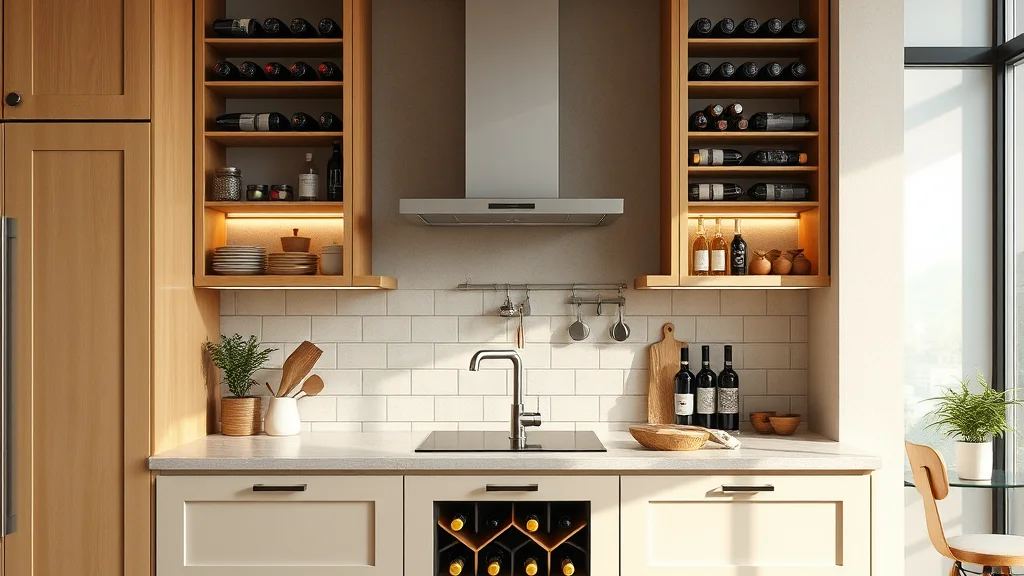
In the bustling rhythm of our daily lives, a well-organized kitchen serves as a sanctuary for both the amateur cook and the seasoned chef alike. Amidst the culinary chaos, where flavors fuse and aromas blossom, the perfect wine rack stands as an indispensable ally, offering both functionality and style. As we delve into the world of kitchen furniture wine racks, discover how these understated pieces can elevate your kitchen setup, combining practicality with a touch of elegance. Explore the different types, materials, and installation possibilities to transform your kitchen into a haven of organized indulgence.
Understanding Kitchen Wine Racks
The kitchen wine rack is more than just a holder for bottles; it is an essential piece of furniture that blends into your kitchen’s aesthetic while supporting your culinary pursuits. Knowing the right wine rack for your space and lifestyle is crucial to maximizing both its functionality and visual appeal.
- Purpose and Benefits: Keeps wine organized, ensuring optimal storage conditions.
- Aesthetic Appeal: Enhances the decor and adds a touch of sophistication.
- Space Efficiency: Utilize vertical and horizontal spaces in compact kitchen areas.
Materials Matter: Choosing the Right Wine Rack Material
The materials used in the construction of a wine rack not only dictate its durability but also influence the overall look of your kitchen. Here’s a closer look at some popular materials:
- Wood: Known for its timeless appeal, wooden racks offer warmth and can complement traditional kitchen settings.
- Metal: Offers a sleek, modern look and is often favored in contemporary designs.
- Glass: Perfect for a minimalistic aesthetic, though it requires regular maintenance to keep the glass crystal clear.
- Plastic: Generally more affordable, suitable for lightweight designs and easy maintenance.
Wall-Mounted vs. Freestanding Wine Racks
When incorporating a wine rack into your kitchen, the choice often boils down to wall-mounted or freestanding options. Both have unique advantages and fit different spatial and style needs. Below is a table that highlights these differences:
| Feature | Wall-Mounted Wine Racks | Freestanding Wine Racks |
|---|---|---|
| Space Utilization | Great for small kitchens, utilizes vertical space | Requires floor space, flexible positioning |
| Installation | Permanently fixed, requires wall drilling | No installation needed |
| Portability | Not portable | Easily moved |
| Aesthetic | Modern, minimalistic look | Variety of styles available |
Optimal Wine Rack Capacity
When selecting a wine rack, the capacity must align with your wine consumption patterns and storage needs. Here are some considerations:
- Small Capacity: Ideal for casual wine drinkers, typically holding up to 12 bottles.
- Medium Capacity: A mid-range option that can accommodate up to 50 bottles, suitable for semi-enthusiasts.
- Large Capacity: Perfect for avid collectors, offering storage for 100+ bottles.
Blending Style with Utility
It’s crucial to select a wine rack that complements the overall vibe of your kitchen. Here are some styles to consider:
- Rustic: Features rough wood and natural finishes, ideal for farmhouse kitchens.
- Modern: Emphasizes clean lines and minimalism, suitable for sleek urban settings.
- Industrial: Uses metal with a utilitarian design, perfect for loft apartments.
- Traditional: Offers intricate designs, often in wood, for classic decor.
Incorporating Wine Racks Into Small Kitchens
For those with compact kitchens, intelligently designed wine racks offer optimal storage without clutter. Here’s how you can integrate them smartly:
- Under-Cabinet Racks: Utilize the space under cabinets for a discreet storage solution.
- Corners and Unused Nooks: Transform awkward spaces into wine havens using custom corner racks.
- Multi-Functional Furniture: Opt for tables or carts with built-in wine storage to maximize utility.
DIY Wine Rack Ideas
If you’re a fan of tailor-made furniture, creating a DIY wine rack adds a personal touch to your kitchen. Here’s how you can go about it:
- Recycled Materials: Use reclaimed wood or pallets for a rustic DIY project.
- Custom Dimensions: Build to fit unique spaces, ensuring every inch of your kitchen is optimized.
- Paint and Finish: Customize with paints or stains for a color that complements your decor.
Essential Features in a Wine Rack
While design plays a vital role, functionality is equally important. Consider these essential features when choosing a wine rack:
- Stability: Ensure the rack is stable and can support the weight of your collection.
- Temperature and Light Control: Position the rack away from heat and direct sunlight.
- Ease of Access: Select a design that allows easy access and removal of bottles.
Wine Racks with Additional Storage
Some innovative designs offer more than just wine storage, integrating other features for enhanced kitchen efficiency:
- Combo Racks: Include slots for wine glasses or spirit bottles for a complete storage solution.
- Drawers and Cubbies: Ideal for storing corkscrews, napkins, or other related accessories.
The Environmental Impact of Your Wine Rack
Exploring eco-friendly options not only benefits the planet but also adds a sense of responsibility to your home design. Consider the following: Check prices on Amazon
- Sustainable Materials: Opt for racks made of responsibly sourced wood or recycled metal.
- Upcycled Designs: Creative uses of existing materials to reduce waste.
Maintenance of Your Wine Rack
Once your wine rack is perfectly in place, maintaining it ensures longevity and aesthetic appeal. Follow these tips:
- Regular Cleaning: Dust and clean your wine rack periodically to keep it looking new.
- Monitor Humidity Levels: Maintain proper humidity to prevent wooden racks from warping.
Frequently Asked Questions
How high should a wall-mounted wine rack be installed?
The optimal height for a wall-mounted wine rack is approximately 4-5 feet from the floor, ensuring accessibility while preventing accidental bumps.
Are wine racks necessary for all wine types?
While not necessary for all wines, a wine rack provides ideal storage conditions, particularly for wines that benefit from aging.
What is the best way to secure a freestanding wine rack?
Place it on a stable surface, preferably against a wall, and use anti-tip kits for added security.
Can I make a wine rack part of my kitchen island?
Yes, incorporating a wine rack in a kitchen island is an excellent way to save space while adding functionality.
Should wine bottles be stored horizontally or vertically?
Wine bottles should be stored horizontally to keep the cork moist and prevent air from entering the bottle.
What’s the difference between a wine rack and a wine cellar?
A wine rack is a storage unit for displaying wines, typically holding fewer bottles, while a wine cellar is a temperature-controlled room designed for the long-term storage and aging of large quantities of wine.
How do I integrate a wine rack into a small kitchen without clutter?
Opt for under-cabinet racks or wall-mounted styles to conserve counter space, or consider multi-functional furniture with built-in storage.
What materials are best for a durable wine rack?
Wood and metal are both durable options, with wood offering a classic look and metal providing a modern aesthetic. Ensure quality finishes to withstand kitchen conditions.
Final Thoughts
Incorporating a wine rack into your kitchen furniture offers a harmonious blend of style and functionality, catering to wine enthusiasts and organizational aficionados alike. By carefully considering material, type, and design, you can find a wine rack that perfectly complements your lifestyle and kitchen space. Whether opting for a DIY solution or purchasing a sleek modern piece, the right wine rack not only enhances your home but also enriches your culinary adventures. As you embark on this journey, remember that the ideal wine rack is both a storage tool and a testament to the joy of savoring wine. Celebrate this fusion of elegance and utility, transforming your kitchen into a space where every bottle tells a story.
