

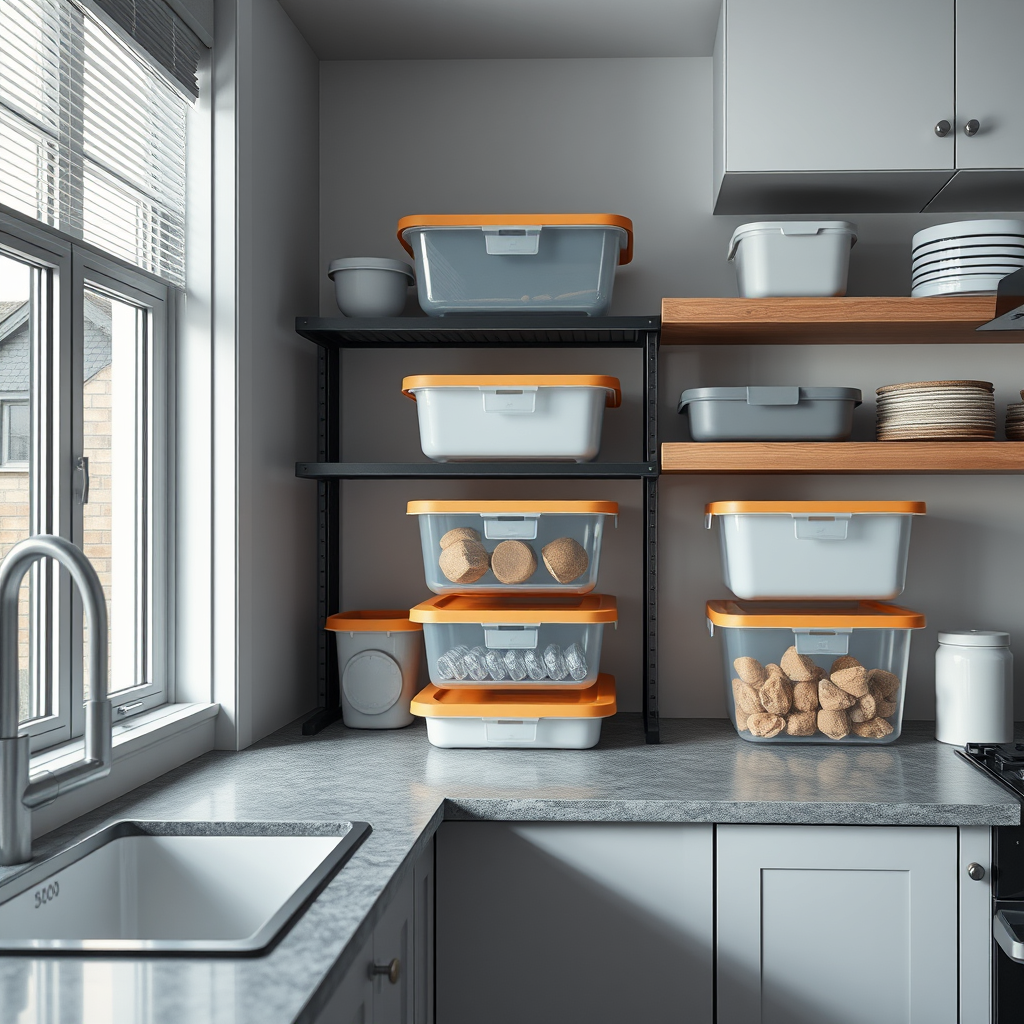
Welcome to the world of kitchen organization, where even the smallest space can transform into a well-oiled machine with the right tools and strategies. One often overlooked but incredibly vital component of any organized kitchen is the humble plastic container. From decluttering to maximizing space, these inexpensive yet versatile storage options can revolutionize the way you manage your kitchen. In this guide, we’ll explore everything you need to know about kitchen plastic containers—from different types and their unique benefits to innovative storage solutions for both spacious and compact kitchens. Whether you’re a home chef, a busy parent, or someone who simply loves an orderly space, stay tuned as we delve into how kitchen plastic containers can streamline your storage and make meal prep a breeze.
Understanding Kitchen Plastic Containers
Kitchen plastic containers are indispensable items that help store everything from leftovers to dry goods like cereals and pasta. Available in a variety of shapes, sizes, and materials, they offer a flexible solution for kitchen organization. Most plastic containers today are made from BPA-free materials, making them safe for storing a variety of food types. Moreover, their transparency offers a glance at their contents without having to open them—no more guesswork during meal prep!
- Durable: With good care, high-quality plastic containers can last for years.
- Budget-Friendly: Usually cheaper than glass or metal containers.
- Versatile: Ideal for dry goods, leftovers, and even fridge storage.
The Importance of Choosing the Right Size
The effectiveness of your kitchen storage largely hinges on selecting containers of appropriate sizes. Using the right-size container ensures no extra air and helps maintain food freshness. For instance, smaller containers are ideal for sauces or spices, while larger ones can store bulkier items like flour or pasta.
- For Oats and Cereals: Opt for larger, airtight containers to keep them crisp.
- For Sandwiches and Salads: Mid-sized containers work well for packed lunches.
- For Dips and Dressings: Small-sized containers suffice.
Versatility Across Different Storage Needs
Plastic containers have proven their versatility across various storage needs within the kitchen. Whether it’s organizing your pantry, decluttering your fridge, or streamlining your freezer, their adaptable nature makes them an indispensable tool. Depending on your storage requirements, plastic containers can help you maximize every available inch of space.
- Freezer Storage: Insulated plastic containers protect against frost.
- Pantry Organization: Stacking containers save space and look visually appealing.
- Fridge Storage: Sleek designs make storing leftovers easy and hygienic.
| Feature | Plastic Containers | Glass Containers |
|---|---|---|
| Durability | Less likely to break if dropped | More fragile |
| Weight | Lightweight and easy to carry | Heavy, especially large ones |
| Cost | Generally cheaper | Tends to be more expensive |
| Microwave Safety | Check for Microwave-safe label | Usually safe without concerns |
| Food Visibility | Translucent for easy visibility | Transparent, but requires lifting |
Innovative Solutions for Small Spaces
One of the most rewarding aspects of leveraging kitchen plastic containers is their ability to optimize storage in small spaces. In tighter homes or apartments, making calculated choices about which container to use where can lead to more breathing space and a better-organized kitchen.
- Stackable Containers: Help maximize vertical space, especially in pantries.
- Nesting Containers: Save drawer or cabinet space when not in use.
- Label-Friendly: Easily label them to keep things orderly and quick to find.
Health and Safety Considerations
In utilizing plastic containers, it’s crucial to address health and safety concerns, particularly when it comes to storing food. Choosing BPA-free containers has become vital as BPA can leach into foods and beverages, potentially affecting our health. Along with this, ensuring that the containers you utilize are microwave-safe can further prevent health-related issues.
- BPA-Free: Check for this label before purchase.
- Microwave Safety: Always double-check if it’s microwave-safe.
- Regular Cleaning: Helps maintain hygiene and prolongs container life.
Keeping Food Fresher for Longer
One of the main benefits of proper food storage is extending the lifespan of your food items. A good set of plastic containers can help in sealing in freshness, flavors, and aromas. Especially for dry goods, airtight containers prevent pantry pests from entering and spoiling the contents.
- Airtight Lids: Essential for maintaining freshness.
- Seals: Confirm that seals are intact and functional.
- Proper Temperature: Store containers in recommended temperature settings.
Eco-Friendly Alternatives and Considerations
Conscious choices can make a significant impact even in small spaces like the kitchen. Opting for eco-friendly plastic containers, such as those made from recycled materials or sustainably-sourced raw materials, can be both practical and sustainable.
- Recyclable Materials: Allows for disposal that’s kinder to the planet.
- Durability: Choosing longer-lasting options reduces waste.
- Reduced Footprint: Less need for replacements over time.
Maintenance and Care Tips
To extend the lifespan of your plastic storage containers, proper maintenance and care are crucial. Even the most durable containers can suffer wear and tear if not properly cared for. Simple yet effective strategies can easily become a part of your routine.
- Avoid Staining: Washing containers immediately after use prevents stains.
- No Hot Foods: Allow hot foods to cool before storing to avoid warping.
- Dishwasher Safe: Check if containers can withstand dishwasher filtration.
Customizable Container Options
In the realm of kitchen organization, one size does not fit all. Depending on the needs of your household, you may require customizable or specialized plastic containers that cater specifically to your lifestyle. Some advanced options come with in-built compartments or modular labeling systems. Check prices on Amazon
- Divider Options: Ideal for meal prepping.
- Modular Systems: Often used for pantry storage to streamline organization.
- Labeling: Using chalk or dry-erase options can add another layer of visual appeal.
Storing and Organizing Odds and Ends
Aside from food, kitchen plastic containers can be repurposed for storing non-food items like scissors, small appliances, or utensils, contributing further to a neat and uncluttered kitchen environment. These containers offer a practical solution without breaking the bank.
- Utensil Storage: Segregates cutlery easily inside drawers or cupboards.
- Miscellaneous Items: Excellent for storing smaller kitchen tools.
- Craft or Tools: Repurpose for non-kitchen items like miscellaneous DIY materials.
Frequently Asked Questions
Are all plastic containers safe for the microwave?
No, not all plastic containers are microwave-safe. Always check the manufacturer’s guidelines or look for a microwave-safe label.
How do I know if a plastic container is BPA-free?
Containers usually have a BPA-free label or specification on the packaging. If in doubt, consult the manufacturer.
Can plastic containers be recycled?
Many plastic containers can be recycled, but it mainly depends on the type of plastic used. Check the recycling symbol on the product for guidance.
What’s the best way to prevent staining in plastic containers?
Immediately clean containers after use and avoid storing hot, strongly-pigmented foods without a liner or alternative container.
Do plastic containers degrade over time?
Yes, plastic containers may degrade over time, especially if they’re exposed to extreme heat or are frequently rewashed in dishwashers.
How can I remove odors from plastic containers?
Odors can be minimized by rinsing with a mixture of vinegar and water or using a baking soda paste as a scrub.
What are nesting containers?
Nesting containers are designed to fit inside each other when not in use, significantly stacking and saving space in storage.
Can plastic containers be used for freezing food?
Yes, but ensure they are labeled as freezer-safe to prevent cracking or breaking due to low temperatures.
Final Thoughts
Kitchen plastic containers represent one of the most adaptable and cost-effective tools for achieving optimal kitchen organization. Their versatility not only benefits the prudent use of space but also contributes to an overall streamlined environment for cooking and meal preparation. By selecting the right types and sizes suited to your specific needs and incorporating smart storage strategies, you can transform your kitchen into a beacon of efficiency and ease. Whether you are working with a spacious setup or a compact galley kitchen, plastic containers provide endless possibilities for enhancing both functionality and aesthetics. As you navigate through your organizational journey, remember that making mindful and informed choices not only impacts your kitchen’s productivity but also contributes positively to the environment.
