
Introduction:
In the bustling world of the modern kitchen, organization and storage solutions are key to maintaining a functional, attractive, and efficient space. Among various tools available to help you achieve this, a baker’s rack is a versatile and timeless option that combines form and functionality. Originally designed to cool down freshly-baked bread, today’s baker’s racks have evolved into a crucial piece of furniture that offers additional storage and aesthetic appeal, particularly for busy cooks. This article aims to explore the clever uses of baker’s racks in the kitchen, compare different types, and provide practical applications and styling tips, ensuring your kitchen runs smoothly while reflecting your personal style.
Understanding the Baker’s Rack
A baker’s rack is not just a relic from bakery settings but a multifunctional piece that can provide invaluable storage and organization in any kitchen. Its open shelving allows easy access to frequently used items, turning your cooking space into a more efficient area. Typically crafted from sturdy materials like metal and wood, these racks offer a range of features from hooks and wine racks to drawers and cabinets. Understanding what a baker’s rack offers is essential to choosing one that meets your kitchen’s needs.
Types of Baker’s Racks
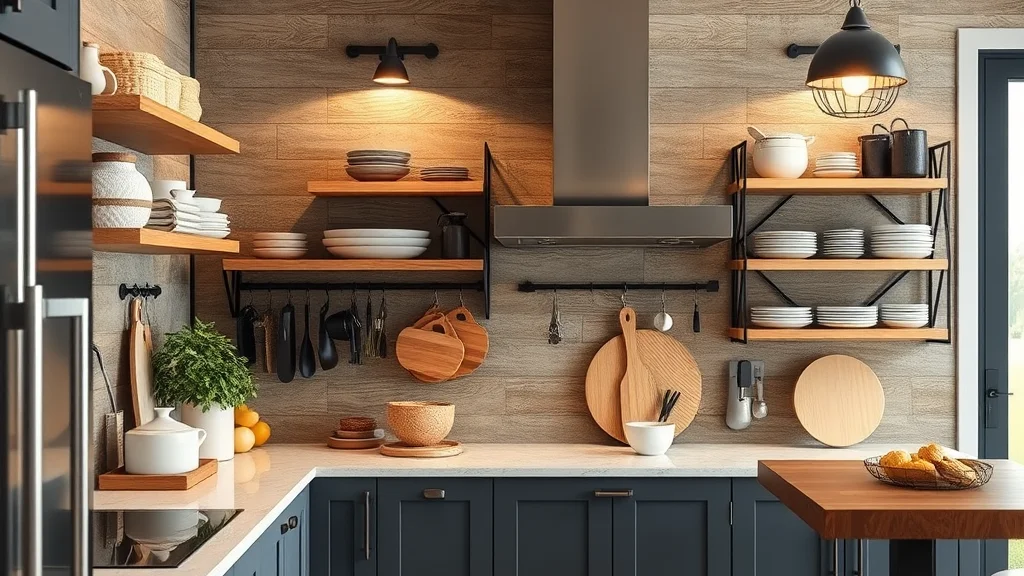
Baker’s racks come in various styles, each designed to cater to different aesthetic preferences and functionalities. Some common types include traditional, contemporary, and industrial designs. A traditional baker’s rack usually features ornamental metalwork or wood details, providing a charming, vintage appeal. Contemporary styles, in contrast, emphasize sleek lines and modern materials, offering a more minimalist look. Lastly, industrial-style racks generally incorporate metal and wood in rugged, functional designs, often with added storage features to support modern culinary activities.
Choosing the Right Material
The material of your baker’s rack is crucial for both appearance and durability. Options like wrought iron, stainless steel, and different types of wood each offer unique benefits. Wrought iron provides a classic, sturdy frame perfect for traditional styles, while stainless steel offers a sleek, durable finish ideal for modern kitchens. Wooden baker’s racks add warmth and can be found in rustic or contemporary styles, depending on the type of wood and finish. Understanding these materials will help you select a rack that suits your kitchen’s environment and usage.
Comparison of Baker’s Rack Types
| Feature | Traditional Baker’s Rack | Contemporary Baker’s Rack |
|---|---|---|
| Material | Ornamental Metal, Wood | Stainless Steel, Glass, Composite Wood |
| Design | Curved, Decorative | Sleek, Minimalist |
| Storage Options | Shelves, Hooks | Shelves, Drawers |
| Ideal Kitchen Style | Traditional, Rustic | Modern, Contemporary |
Maximizing Storage with a Baker’s Rack
One of the primary benefits of a baker’s rack is its ability to expand your kitchen storage significantly. By choosing a rack with multiple shelves, hooks, and even wine storage capabilities, you can organize your cookware, recipe books, dishes, and groceries effectively. Here are some ways a baker’s rack can maximize your storage:
- Vertical Space Utilization: Tall racks make use of vertical space, clearing countertops while keeping items within reach.
- Accessible Shelves: Open shelves ensure that your most-used items are always visible and accessible, saving you time during meal preparations.
- Additional Features: Many racks come with customizations such as wine racks and baskets, adding specialized storage options.
How to Style a Baker’s Rack
Beyond storage, a baker’s rack is an excellent opportunity to express your personal style in the kitchen. Consider blending functional items with decorative pieces for a curated look. For instance, stack bowls or plates alongside a small potted plant or a decorative jar. Utilize the hooks for hanging colorful mugs or utensils. With a bit of creativity, your baker’s rack can become a focal point in your kitchen, reflecting both your style and efficiency.
Placement Considerations
Choosing the right spot for your baker’s rack is crucial for maximizing its utility. Consider placing it in an area that doesn’t disrupt foot traffic but remains easily accessible when cooking. Common placement options include against unused walls, in pantries, or near preparation areas. Additionally, ensure your kitchen floor can support the weight of a fully stocked rack, particularly if it features heavier materials like wrought iron or holds substantial items like crockery.
Matching Your Kitchen Décor
Integrating a baker’s rack into your existing kitchen décor requires a thoughtful approach to ensure it complements rather than clashes with the theme. For a cohesive look, match the rack’s material and color with your kitchen’s cabinetry and appliances. If your kitchen features wooden elements, a complementary wood-finished baker’s rack can harmonize beautifully. Similarly, a black metal rack can tie in with modern stainless steel appliances, enhancing the kitchen’s overall style.
Maintaining a Baker’s Rack
Proper maintenance of your baker’s rack ensures it remains an attractive and functional part of your kitchen for years. Regular dusting and cleaning are essential, especially in more humid kitchens where materials can tarnish or warp. For metal racks, a simple water and vinegar solution can keep them shiny, while wooden racks benefit from periodic application of wax or oil to preserve their finish. Keeping the rack organized and avoiding overloading will maintain its stability and appearance. Check prices on Amazon
Smart Baker’s Rack Hacks
For the innovative cook, a baker’s rack offers endless possibilities beyond traditional use. Consider these hacks to make the most of your rack:
- DIY Customization: Add hooks or magnets for utensils and spices.
- Tiered Produce Storage: Use baskets to keep fruits and vegetables fresh and organized.
- Incorporate Lighting: Install small LED lights to brighten the shelves and enhance the rack’s presentation.
Frequently Asked Questions
What is the main purpose of a baker’s rack?
Originally, baker’s racks were designed for cooling down freshly baked goods. Today, they serve as versatile storage and display solutions in kitchens.
What materials are baker’s racks commonly made from?
Baker’s racks are commonly made from materials like metal, wood, and sometimes a combination of these with glass or composite woods for contemporary designs.
How can I make the most of a small kitchen with a baker’s rack?
To maximize a small kitchen, select a tall baker’s rack to utilize vertical space and choose one with additional storage features like hooks and drawers.
Can a baker’s rack fit into any kitchen style?
Yes, baker’s racks come in various styles including traditional, contemporary, and industrial, ensuring a fit for any kitchen décor.
How do I clean a metal baker’s rack?
A gentle mix of water and vinegar or a non-abrasive cleaner works well for maintaining and cleaning a metal baker’s rack.
Can a baker’s rack withstand heavy items?
Yes, a well-constructed baker’s rack is designed to hold weights like dishes and cookware, but it is important to not overly burden them to ensure stability.
Where is the best place to position a baker’s rack in the kitchen?
The best place for a baker’s rack is against a wall where it’s accessible but not obstructing foot traffic, such as a corner or beside a counter.
Do baker’s racks require assembly?
Yes, many baker’s racks come flat-packed and will require assembly following manufacturer instructions, which typically include all necessary parts and tools.
Final Thoughts
Baker’s racks are a versatile solution for busy cooks requiring additional storage and style in their kitchen. Whether you prefer traditional charm or contemporary sleekness, understanding the different types of baker’s racks can help you make an informed decision that enhances both functionality and aesthetic appeal. With thoughtful placement, styling, and maintenance, a baker’s rack can become an integral part of your kitchen, providing not only storage but also a space to express creativity and warmth.
