
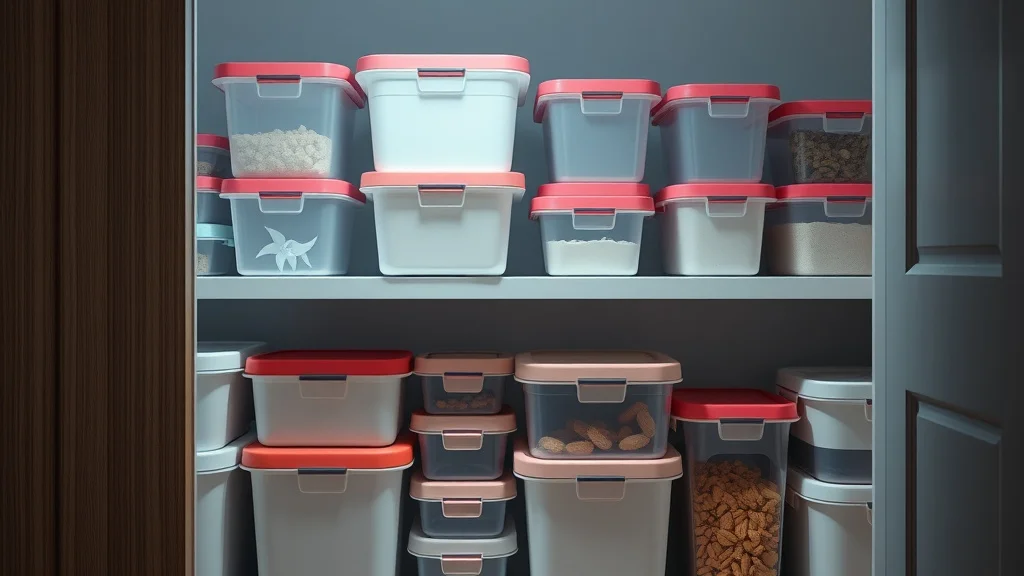
In the quest for an organized and functional kitchen, plastic pantry storage containers have become an indispensable tool for many households. These containers not only offer a practical solution for storing dry goods, snacks, and ingredients but also keep your pantry looking structured and appealing. The right storage solution can effectively extend the shelf life of your food and maximize space efficiency. Yet, with a myriad of options available, choosing the right plastic storage containers can be overwhelming. This article will guide you through vital considerations and comparisons to help you select the best options for your pantry.
Benefits of Plastic Pantry Storage Containers
The decision to incorporate plastic containers into your pantry organization plan offers numerous benefits:
- Space Efficiency: Nesting and stackable designs make it easy to save space.
- Visibility: Clear plastic helps you identify contents quickly without opening lids.
- Versatility: Suitable for storing a variety of food types, including grains, snacks, and baking ingredients.
Choosing the Right Material for Durability
When selecting pantry storage containers, the material plays a crucial role in durability and safety. Most plastic containers are made from BPA-free materials.
- Polypropylene: Known for its strength and high melting point, making it suitable for storing hot and cold items.
- Polycarbonate: Offers clarity and impact resistance, but some consumers prefer to avoid it due to BPA concerns.
Understanding Different Types of Seal Types
The effectiveness of food storage depends heavily on the seal type.
- Snap-On Lids: Easy to use but may not provide the tightest seal.
- Twist-Off Lids: More secure and prevents air penetration better.
- Locking Mechanisms: Provide a superior airtight experience and are ideal for long-term storage.
Comparison Table of Key Features
There are two main types of plastic pantry storage containers: snap-on and locking lid models. The comparison table below highlights their differences:
| Feature | Snap-On Lid Containers | Locking Lid Containers |
|---|---|---|
| Seal Type | Basic, not airtight | Advanced, airtight |
| Material | Polypropylene | Polycarbonate, Silicone Lid |
| Price Range | Economic | Moderate to High |
| Ideal for | Short-term storage & low-cost needs | Long-term storage, premium choice |
Understanding Capacity and Size Options
Choosing the right size of containers is crucial for both small and large pantries. Evaluate your typical shopping habits to decide on the sizes you need.
Clear vs. Colored Containers
Most consumers prefer clear containers due to the ease of visual inventory management, but colored options can be advantageous for blocking light and preserving contents.
Efficient Labeling Practices
Labeling is an integral part of pantry organization. Consider:
- Permanency: Use chalkboard or erasable labels for easy updates.
- Visibility: Place labels on the front for easy reading without moving containers.
Placement and Layout Tips
Organizing pantry storage requires strategic placement to ensure maximum efficiency.
- Accessibility: Regularly used items should be within easy reach.
- Stackability: Use stackable containers to save space, ensuring lids are secured properly.
Budget Considerations and Brand Recommendations
Plastic pantry storage solutions vary widely in price. Budget-conscious consumers may prefer brands like Rubbermaid, while those seeking premium options might explore OXO products.
Maintaining and Cleaning Plastic Containers
Proper cleaning is essential for maintaining containers.
- Regular Cleaning: Use mild dish soap and warm water.
- Odor Control: Baking soda solutions can neutralize lingering odors.
Sustainability and Environmental Impact
Consider the environmental implications of plastic use, opting for recyclable and BPA-free plastic whenever possible to reduce waste and potential health risks. Check prices on Amazon
Frequently Asked Questions
What are the best types of plastic for pantry storage containers?
Polypropylene and polycarbonate are popular choices due to their durability and safety. However, always look for BPA-free options.
How do I avoid odors in plastic containers?
Regular washing, leaving containers open to air out, and using baking soda can help prevent odors.
Can plastic containers go in the dishwasher?
Most are dishwasher safe, but check manufacturer guidelines to prevent warping or damage.
Do plastic pantry containers affect food taste?
No, if they are made from high-quality, food-grade plastic and are regularly cleaned.
Are locking lid containers better than snap-on?
They usually offer a tighter seal, protecting food better from moisture and pests.
Can colored containers preserve food longer?
Yes, they can block light, which may help extend the shelf life of contents sensitive to light.
What is the lifespan of a typical plastic container?
With proper care, they can last many years. Replace if they crack, warp, or lid seals fail.
Are plastic containers safe for hot foods?
Not all plastics can withstand high temperatures. Use only those specified as heat resistant.
Final Thoughts
Choosing the right plastic pantry storage containers can significantly enhance your kitchen’s organization and efficiency. By understanding the various options available and aligning them with your needs, you can create a pantry that is both functional and aesthetic. Whether opting for budget-friendly options or premium containers with advanced sealing technology, the key is selecting products that offer a balance of durability, safety, and design, catering to both everyday convenience and long-term storage needs.
