
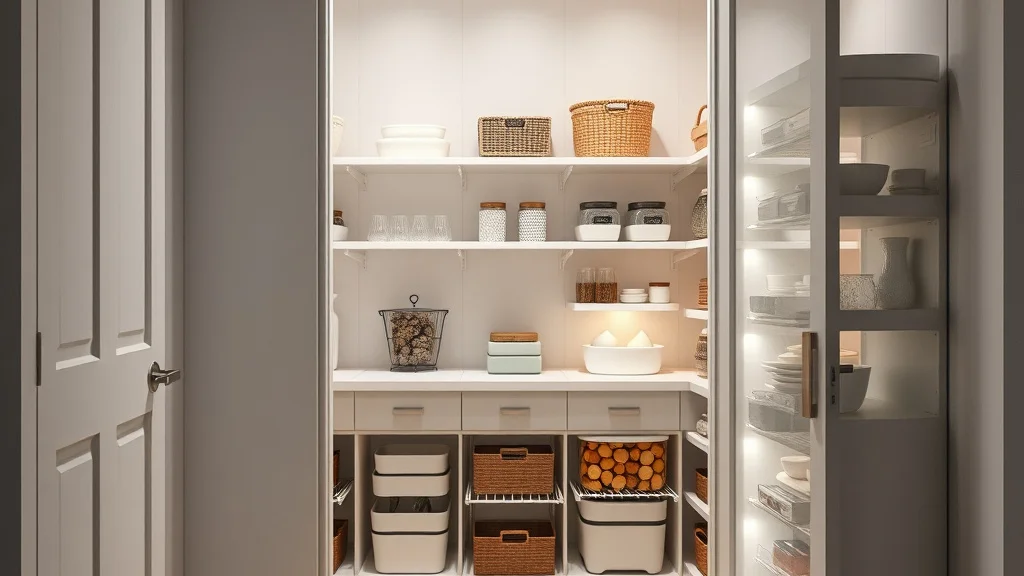
In recent years, home organization has transitioned from a mere trend to a more fundamental aspect of modern living. As busy lives demand quick and efficient solutions, an organized pantry is no longer a luxury but a necessity. A well-thought-out pantry storage system not only enhances the aesthetics of your kitchen but also enables you to manage your inventory better, reduce wastage, and save time when preparing meals. Whether you have a small cupboard or a walk-in pantry, developing a robust storage system can maximize space and improve overall functionality. This article delves into the nitty-gritty of pantry storage systems, offering tips, solutions, and comparisons that can help you create a kitchen environment that is both practical and pleasant.
Assessing Your Pantry Needs
Before diving into the world of pantry storage solutions, begin with a detailed assessment of your personal pantry needs. Consider the size of your existing space, the types of items you regularly store, and the frequency of your grocery shopping trips. These factors are critical to making informed decisions about the type of storage solutions you’d benefit from. An accurate assessment will ensure that you do not overcomplicate or overspend on fancy storage systems that may not serve your needs.
- Take inventory: List the most commonly stored items and note any special storage requirements they might have.
- Evaluate space: Measure your pantry space to understand what kinds of storage systems can fit.
- Determine your style: Decide if aesthetic is important to you or if you’re focusing solely on functionality.
Choosing a Storage System
Choosing the right storage system is crucial in shaping an efficient pantry. Two main options include modular shelving units and custom built-ins. Each option provides distinct advantages and potential drawbacks depending on your particular needs and space. By understanding these differences, you can make a more informed choice.
Benefits of Modular Shelving
Modular shelving systems are popular because of their flexibility and ease of installation. They can be configured to match the unique layout of your pantry and can be adjusted as your storage needs evolve. Modular units are generally affordable and available in a wide range of materials, making them accessible to various budgets. They are ideal for renters who cannot make permanent changes to their living spaces.
- Flexible configurations for odd spaces.
- Typically more affordable than custom solutions.
- Easy to install and remove, perfect for renters.
Advantages of Custom Built-Ins
Custom built-in pantry storage systems provide a tailored solution that can elevate both the form and function of your kitchen. Designed to fit seamlessly into your home, custom built-ins can maximize every inch of available space. They offer a more permanent and integrated look, particularly desirable for homeowners who seek a cohesive design aesthetic.
- Maximizes storage space by using every inch.
- Offers a cohesive, seamless aesthetic.
- Increases property value.
| Features | Modular Shelving | Custom Built-Ins |
|---|---|---|
| Flexibility | High | Medium |
| Cost | Affordable | Expensive |
| Aesthetics | Varies by material | Seamless and cohesive |
| Installation | Easy, DIY possible | Professional installation required |
| Mobility | High, can be moved | Low, permanent |
Maximizing Vertical Space
Leveraging vertical space in your pantry can significantly increase storage capacity without requiring additional square footage. Utilize high shelves for infrequently used items or seasonal products. Install adjustable shelving to accommodate varying item heights, and consider using stackable containers to store various foodstuffs efficiently.
- Use tall shelving units to store items vertically.
- Incorporate hanging baskets or hooks for additional storage.
- Employ stackable containers for a more organized space.
Utilizing Storage Containers
A wide range of storage containers can help keep your pantry organized and easy to navigate. Choose containers that are stackable and airtight to prolong the shelf life of pantry staples. Transparent containers allow easy recognition of contents without the need to open them, saving time during meal prep.
- Airtight containers prevent spoilage and waste.
- Use labeled jars and bins for easy identification.
- Consider uniform containers for a clean, cohesive look.
The Role of Labeling
Labeling is a simple yet effective way to enhance your pantry’s efficiency. Clear and consistent labels can make locating and identifying items quick and straightforward, reducing time spent searching for supplies. Use waterproof labels or a label maker for durability and readability.
- Label all containers and shelves clearly and consistently.
- Use color codes for different categories: grains, snacks, etc.
- Update labels as your pantry items change.
Lighting Considerations
Proper lighting in your pantry can drastically impact functionality. Well-lit spaces ensure all items are visible and accessible, reducing frustration and time searching for ingredients. Install LED strip lights or battery-operated motion sensor lights for an eco-friendly solution that doesn’t require extensive rewiring.
- Consider LED strips for energy-efficient lighting.
- Motion sensor lights offer convenience and efficiency.
- Ensure lights illuminate all shelves adequately.
Incorporating Door Storage
Overlooked pantry doors can offer additional storage opportunities perfect for spices, small containers, or canned goods. Install shelving racks or hooks on the inside of the pantry door to take advantage of usually unused space. This can significantly enhance your storage options without needing further remodeling.
- Door racks for spices and bottles.
- Hooks for utensils or lightweight items.
- Magnetic strips for metal containers or spices.
Specialty Storage Solutions
Some kitchen items require special storage solutions to maintain their quality and accessibility. For example, wine traditionally benefits from horizontal storage, whereas root vegetables fare better in a cool, dark environment. Tailor storage solutions to meet the unique needs of these specialty items to preserve their quality. Check prices on Amazon
- Wine racks for proper wine storage.
- Dark, cool bins for potatoes and onions.
- Lazy Susans for easy access to canned goods.
Creating a Maintenance Routine
Once you have developed a solid pantry storage system, maintaining it becomes crucial for sustained success. Create a routine that involves regular cleaning, inventory checks, and prompt reorganization, if needed. This ensures that your pantry remains both functional and aesthetically pleasing, serving your needs efficiently.
- Perform bi-weekly or monthly inventory checks.
- Clean shelves and bins regularly to prevent pest accumulation.
- Reorganize seasonal items promptly when cooking habits shift.
Frequently Asked Questions
How often should I reorganize my pantry?
It’s generally advisable to reorganize your pantry every three to six months, or following any major lifestyle changes, such as a diet shift or the addition of family members.
What materials are best for pantry shelving?
Wire shelving offers air circulation and cost-efficiency, while solid wood provides a more design-forward, durable option. Your choice should reflect your needs and aesthetic preferences.
How do I handle a small pantry space?
Maximize space by using vertical storage, stackable containers, and over-the-door racks. Also, consider using narrower shelving to create more available space.
What are the benefits of an organized pantry?
An organized pantry improves kitchen efficiency, reduces food waste, and helps in time management. It also aids in maintaining food inventory and creating meal plans.
How can I keep track of expiration dates?
Attach sticky labels with expiration dates on top of each container or use an app to digitally manage your pantry inventory and receive reminders for expiring items.
Are clear containers better for pantry organization?
Yes, clear containers allow for easy visual inventory, reducing time searching for items and making it easy to identify when you’re running low on supplies.
Is it important to label everything in my pantry?
Labeling is crucial for quick identification and efficient organization. It helps prevent confusion and reduces the likelihood of misusing or misplacing items.
How do I light up a dark pantry efficiently?
LED lights and battery-operated motion sensors are efficient and easy to install without the need for rewiring. They provide adequate lighting to make all items visible.
Final Thoughts
Creating and maintaining an ideal pantry storage system requires careful planning and deliberation. By taking into account your specific needs, preferences, and the available space, you can develop a system that not only organizes but also elevates your kitchen experience. Remember, the best pantry system is one that is both functional and adaptable, able to grow or shift along with your evolving requirements. With diligent execution and regular upkeep, your pantry can become a testament to your home management skills and a genuine pleasure to use daily.
