

Introduction
Organizing your pantry can often feel like a daunting task, but with the right kind of storage shelves, it can easily transform into a rewarding experience.
The pantry is a critical space in your home where you store essentials for daily living, and yet, it is often overlooked when it comes to strategic organization.
The right pantry storage shelves not only enhance accessibility but also maximize space, allowing for a more efficient and enjoyable cooking experience.
This comprehensive guide will delve into everything you need to know before buying pantry storage shelves, from understanding different types to choosing the best ones for your needs.
Understanding the Importance of Pantry Shelving
The importance of choosing the right pantry shelving cannot be overstated.
Shelves that meet your needs will help you maintain order and prevent wastage, ensuring that items are easily accessible and consistently fresh.
With a well-organized pantry, you can save time hunting for ingredients and make meal preparation more streamlined.
Moreover, effective shelving can be a game-changer in minimizing food waste by making it simple to see what you have at a glance.
Types of Pantry Storage Shelves
Pantry shelves come in different shapes, sizes, and materials, each with their own benefits and potential downsides.
Understanding the options available can significantly impact the organization and functionality of your pantry space.
Generally, pantry storage shelves can be classified into two main types: fixed shelving and adjustable shelving.
Fixed Shelving vs. Adjustable Shelving
When choosing pantry shelves, one major decision you’ll face is between fixed shelving and adjustable shelving.
Fixed shelving is known for its sturdiness, making it ideal for storing heavy items.
On the other hand, adjustable shelving offers versatility and customization as it allows the height of shelves to be modified according to the size of your pantry items.
| Feature | Fixed Shelving | Adjustable Shelving |
|---|---|---|
| Stability | High stability for heavy items | Moderate stability, varies by configuration |
| Customization | Limited customization | Highly customizable |
| Installation | More permanent, requires careful planning | Easy to install and modify |
| Cost | Generally more cost-effective | May have higher initial costs |
Materials for Pantry Shelves
The material of your pantry shelves affects both the aesthetics and functionality of your space.
Common materials include wood, wire, and metal.
- Wood: Known for its durability and classic appeal, wood shelves are often more expensive but provide a sturdy and traditional look.
- Wire: Wire shelving is lightweight, affordable, and allows for airflow, keeping items dry and preventing the accumulation of dust or pests.
- Metal: Metal shelves offer strength and are often preferable for industrial-style kitchens, though potentially heavier than other options.
Your material choice should balance personal style preference with practical needs.
Factors to Consider When Choosing Pantry Shelves
Selecting the right pantry shelves involves considering several key factors to ensure the option meets your specific needs.
- Space: Measure your pantry space accurately to determine the size and configuration of your shelving.
- Weight Capacity: Consider what you’ll be storing to ensure the shelves can support the weight without warping or breaking.
- Maintainability: Select a material and design that are easy to clean and maintain over time.
- Budget: Be mindful of your budget; different materials and designs come with varying price points.
Troubleshooting Common Pantry Issues with Shelving
A poorly organized pantry can lead to a range of problems, from clutter and inefficiencies to expired items hidden at the back.
Address common pantry issues by using optimized shelving solutions:
- For cluttered shelves, consider adding vertical dividers.
- If items get lost, utilize clear storage bins to easily identify contents.
- If space is limited, use shelf risers to create multi-level storage and maximize vertical space.
Resolving these common issues enhances the pantry’s functionality and aesthetic.
Installation Tips for Pantry Shelves
Properly installed pantry shelves can greatly impact space utilization and ease of use.
- Preparation: Begin by clearing out the pantry to create a workable environment and take precise measurements of the space.
- Layout Planning: Consider the setup that will best suit your needs, including shelf height based on the items to be stored.
- Tools and Hardware: Ensure you have the necessary tools and correct hardware for shelf installation to avoid future issues.
Taking these steps will ensure a smooth installation process and optimal outcome for your pantry space.
Maintaining Your Pantry Shelves
Maintaining cleanliness and order in your pantry is an ongoing process that requires diligence and routine.
- Regular Cleaning: Schedule regular clean-ups to remove expired items and wipe down shelves.
- Reorganization: Periodically reassess and rearrange contents to accommodate new items and shifting culinary habits.
- Stock Rotation: Implement a first-in, first-out system to ensure older items are used before new purchases.
Consistent upkeep helps extend the life of your shelves and keeps your pantry efficient.
Budgeting for Pantry Shelving
Budgeting is a crucial aspect when considering new pantry shelves. The cost varies significantly based on materials, design, and brand.
- DIY Shelving: Save money with DIY projects using affordable materials like particle board or repurposed wood.
- Mid-Range Options: Find balance with mid-range materials like pre-fabricated laminate shelving, which combines cost efficiency with durability.
- Investment Pieces: For long-term value, invest in high-quality materials like solid oak or custom-built metal shelves.
Tailor your shelving choice to your financial constraints while ensuring it meets your functional needs.
Incorporating Style in Pantry Design
While functionality is key, aesthetic considerations shouldn’t be ignored.
Stylish pantry shelves can enhance your kitchen’s overall appeal.
- Color and Finish: Choose finishes that complement your kitchen’s color scheme, whether it’s sleek and modern or rustic and charming.
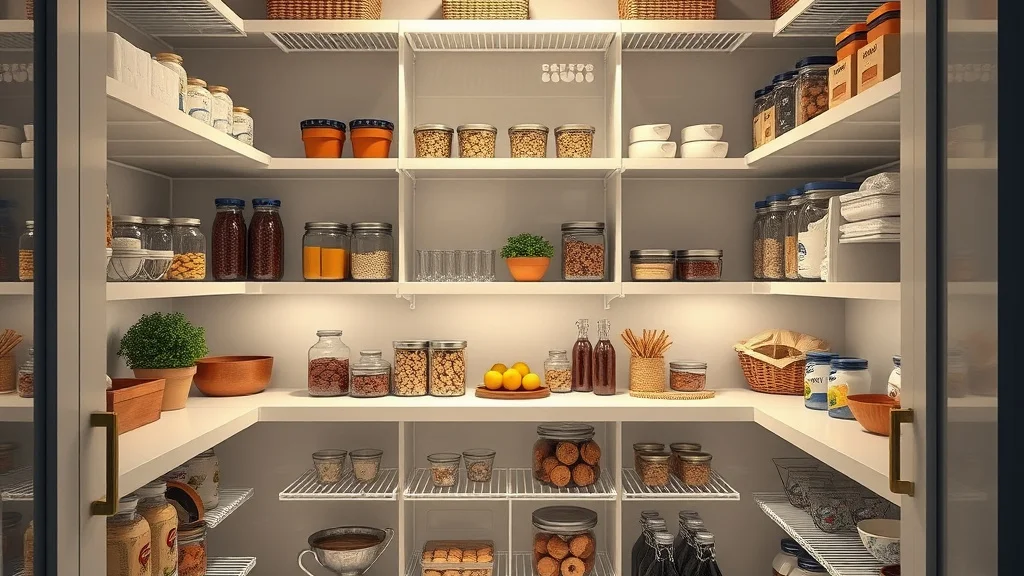
- Decorative Elements: Add styling elements such as decorative jars, labeled containers, or vintage baskets for an organized yet stylish look.
- Theme Consistency: Ensure consistency with current kitchen decor themes, aligning with overall décor style.
A cohesive design approach ensures that practical needs are met without sacrificing style.
Check prices on Amazon
Finding Inspiration for Your Ideal Pantry
When planning or upgrading your pantry, drawing inspiration from various sources can give you new ideas on how to maximize your space.
- Online Platforms: Websites like Pinterest and Instagram offer a plethora of pantry organization ideas and trends.
- Home Improvement Shows: Shows can provide practical demonstrations and professional tips for enhancing your space.
- Retail Displays: Visit home goods stores to see shelving solutions displayed, offering tangible inspiration for your design choices.
Drawing upon diverse resources can lead to innovative storage solutions that perfectly fit your pantry.
Frequently Asked Questions
What is the best material for pantry shelves?
The best material depends on individual needs, budget, and style preference. Common options include wood for durability, wire for air circulation, and metal for strength.
How do I maximize space in a small pantry?
Utilize vertical space with adjustable shelves, install risers for additional layers, and employ clear storage containers to keep items compact and visible.
Are adjustable shelves worth the extra cost?
Yes, if you need flexibility. Adjustable shelves are ideal for households that require adaptable storage solutions due to changing needs or frequent reorganizing.
How often should I clean and reorganize my pantry?
It’s advisable to clean and reorganize your pantry every six months to remove expired items, wipe down surfaces, and assess storage efficiency.
Can I install pantry shelves myself?
Yes, with the correct measurements, tools, and planning, DIY installation of pantry shelves is manageable. Follow manufacturer instructions for best results.
What should I store in glass jars in a pantry?
Glass jars are perfect for items like pasta, grains, nuts, and cereals, as they offer clear visibility and airtight storage to maintain freshness.
How can I ensure my shelves support heavy items?
Choose sturdy materials like solid wood or metal, and ensure the installation hardware is rated for the weight you intend to store.
What design elements enhance pantry shelving aesthetics?
Incorporate color coordination with containers, add decorative labels, and use uniform storage bins to create a visually pleasing, organized look.
Final Thoughts
Selecting the right pantry storage shelves can significantly enhance the functionality and appeal of your kitchen space.
By considering factors such as material, design, and installation methods, you can tailor your pantry to meet specific needs while also achieving a cohesive aesthetic.
Remember that the pantry is not just a storage area; it’s an integral part of your cooking experience.
Investing time and resources in quality shelving will pay dividends in ease of access, minimized waste, and overall kitchen satisfaction.
