

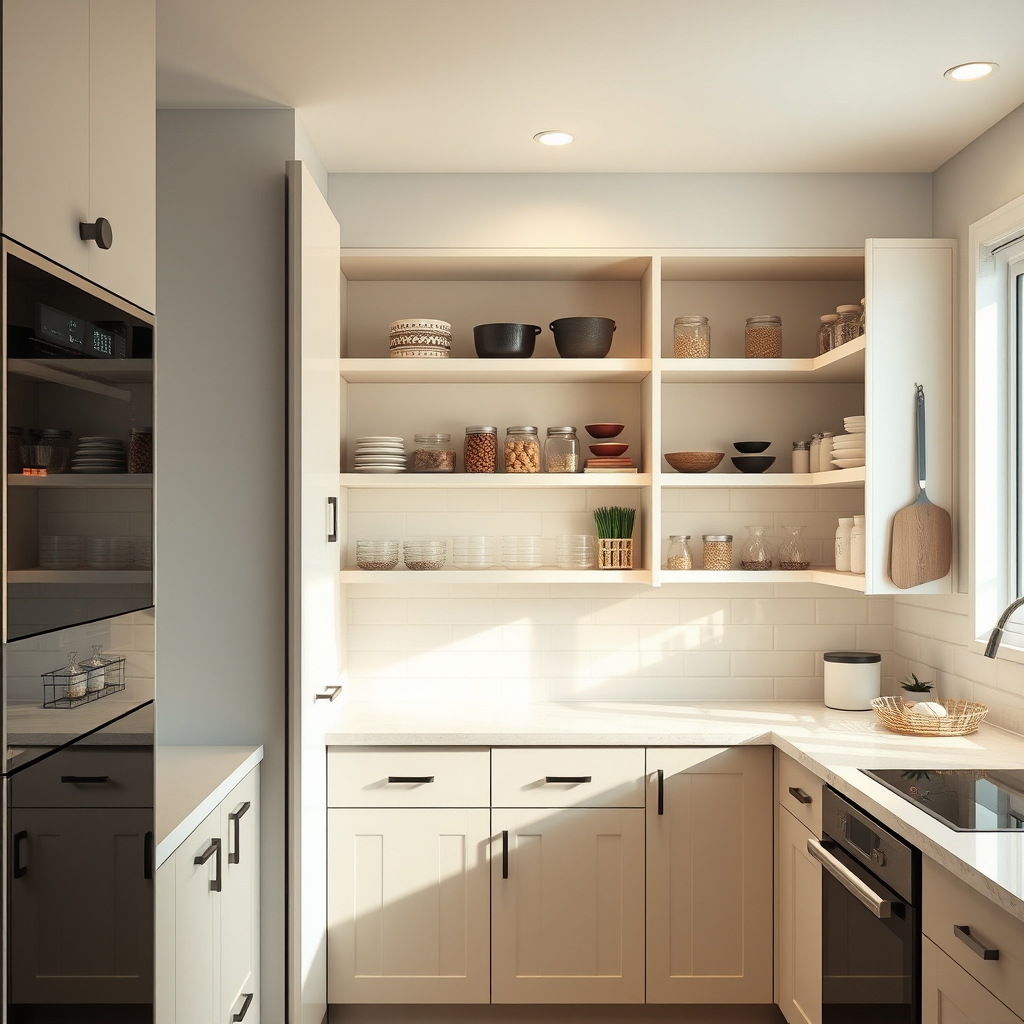
In today’s fast-paced world, having an organized and efficient kitchen storage pantry is not just a luxury—it’s a necessity. An orderly pantry can turn chaotic meal prep into a streamlined process, making cooking more enjoyable and less time-consuming. But with so many ideas and products on the market, setting up your perfect pantry can feel overwhelming. This article dives into the world of pantry storage solutions, offering comprehensive insights into setting up simple systems that fit real kitchens, thus enhancing functionality, accessibility, and aesthetic appeal. Whether you’re dealing with a walk-in pantry or a few open shelves, the solutions offered here will guide you toward a more organized kitchen space.
1. Assessing Your Space
Before embarking on a pantry organization overhaul, take a close look at what you’re working with. Is your pantry a small cupboard adjacent to your kitchen, or do you have a dedicated walk-in space? Understanding your physical space limitations—and opportunities—is key to formulating a storage strategy that works. Consider the height, width, and depth of shelves, and identify any awkward areas where items may easily get lost.
- Measure the available space to ensure that all storage solutions fit comfortably.
- Take stock of your inventory to determine what is stored most frequently.
- Identify zones within the pantry for different categories of food such as baking supplies, snacks, or canned goods.
2. Grouping Like with Like
The principle of organizing like items together creates harmony in any space, including your pantry. By grouping similar items, you make it easier to quickly locate what you need and find it effortlessly at a later time. Consider categories such as baking supplies, spices, canned goods, and snacks.
- Establish primary groups for large items such as cereals, pasta, and canned foods.
- Sub-categorize within these groups if necessary; for instance, divide baking goods by sweet and savory ingredients.
- Use clear containers or bins to facilitate visibility and access while providing a unified look.
3. Deciding Between Open Shelves and Enclosed Cabinets
Choosing the right type of storage for your kitchen pantry largely depends on your organizing goals and aesthetic preferences. Open shelving and enclosed cabinets each offer unique advantages, and selecting the right one can dramatically impact how you use the space.
| Storage Type | Advantages | Disadvantages |
|---|---|---|
| Open Shelves |
|
|
| Enclosed Cabinets |
|
|
4. Utilizing Vertical Space
Many kitchen pantries suffer from underutilized vertical space. By making use of this overlooked area, you can dramatically increase your storage capacity without requiring more floor space.
- Install adjustable shelving to accommodate items of varying heights.
- Consider stackable bins and baskets for maximum use of space.
- Use the back of doors for hanging pocket organizers, which can store spices or snacks.
5. The Art of Proper Labeling
Labels take the guesswork out of pantry inventory management. This is especially important if you decant items into containers, as it eliminates kitchen mystery and assists in streamlining your shopping list.
- Choose clear, legible labels that contrast well with container colors.
- Include expiration dates where possible to ensure freshness.
- Consider using chalkboard labels for items that change frequently.
6. Implementing a First-In, First-Out System
To avoid food wastage and ensure nothing ever expires or goes unused, a First-In, First-Out (FIFO) system can be instrumental. This approach guarantees that older items are used before newer ones.
- Place new items behind older ones when restocking.
- Use clear bins so that you can visually manage inventory levels.
- Incorporate expiry dates in your labeling to prioritize food usage accordingly.
7. Selecting Containers Wisely
The type and quality of containers you choose can set the tone for your pantry’s level of organization. Containers keep items fresh, prevent pest issues, and enhance visual tidiness.
- Select airtight containers for perishable dry goods like flour and cereal.
- Consider BPA-free materials for health reasons.
- Opt for stackable designs to maximize space efficiency.
8. Incorporating Drawer Solutions
Drawer solutions add another dimension to pantry organization, providing options for both shallow and deep storage areas. A drawer can cater to smaller grouped items such as utensils or baking sheets.
- Use dividers in deep drawers for easy organization of smaller items.
- Consider soft-close mechanisms to reduce wear and improve longevity.
- Label the exterior of drawers for even faster access.
9. Using Light to Your Advantage
Good lighting is often overlooked when organizing a pantry, but proper lighting can make a world of difference in visibility and accessibility. Bright and focused lighting can help you quickly find what you’re searching for. Check prices on Amazon
- Install LED strip lights on shelves for uniform lighting.
- Incorporate motion-sensor lights for hands-free accessibility.
- Aim for cool white light; it provides the best contrast for locating items.
10. Planning for Seasonal Variations
Consider how your pantry needs change throughout the year. The foods you lean on in the winter might differ significantly from what you rely on during summertime. Seasonal organization can prevent stockpiling items that aren’t currently in demand.
- Categorize items that have seasonal use and store them away from everyday essentials.
- Use containers or bins with separate compartments for seasonal items.
- Likewise, reserve front space for seasonal staples like pumpkin for the fall or barbecue sauces for summer.
Frequently Asked Questions
What is the best way to maximize small pantry spaces?
Maximize small pantry spaces by utilizing vertical space, such as tall shelves or wall-mounted racks, and using stackable bins or containers.
How can I ensure my pantry stays organized long-term?
Routine maintenance is key. Regularly reassess your pantry inventory, re-label as needed, and adjust your strategy as your home and needs evolve.
Are there specific containers better suited for pantry storage?
Airtight containers made from glass or BPA-free plastic work well. Choosing stackable designs enhances space efficiency.
How can I avoid food wastage in my pantry?
Implement a FIFO system, monitor expiry dates, and only purchase what you need to maintain optimal inventory levels.
What should I prioritize in an initial pantry setup?
Begin with a clean-out: discard expired items, categorize remaining items, and take stock of how much storage you need.
Should I invest in custom pantry shelves?
Custom shelving can maximize space and improve organization, but it’s also possible to effectively organize with high-quality, modular, ready-made options.
Is labeling necessary?
Labeling is crucial for both ease of finding items and ensuring that you use them before they expire.
How often should I rotate my pantry stock?
Perform an inventory check every few months or quarterly to keep your pantry efficient and reduce clutter.
Final Thoughts
An organized pantry is more than just a visual triumph; it fosters a more efficient and effective kitchen environment, making meal preparation smoother and reducing stress. By implementing these practical, space-conscious solutions, you can create a pantry that not only fits your needs but also evolves with them. From assessing your space to embracing high-functionality storage containers and lighting, these strategies are sure to guide you toward your ultimate pantry goals. Happy organizing!
