

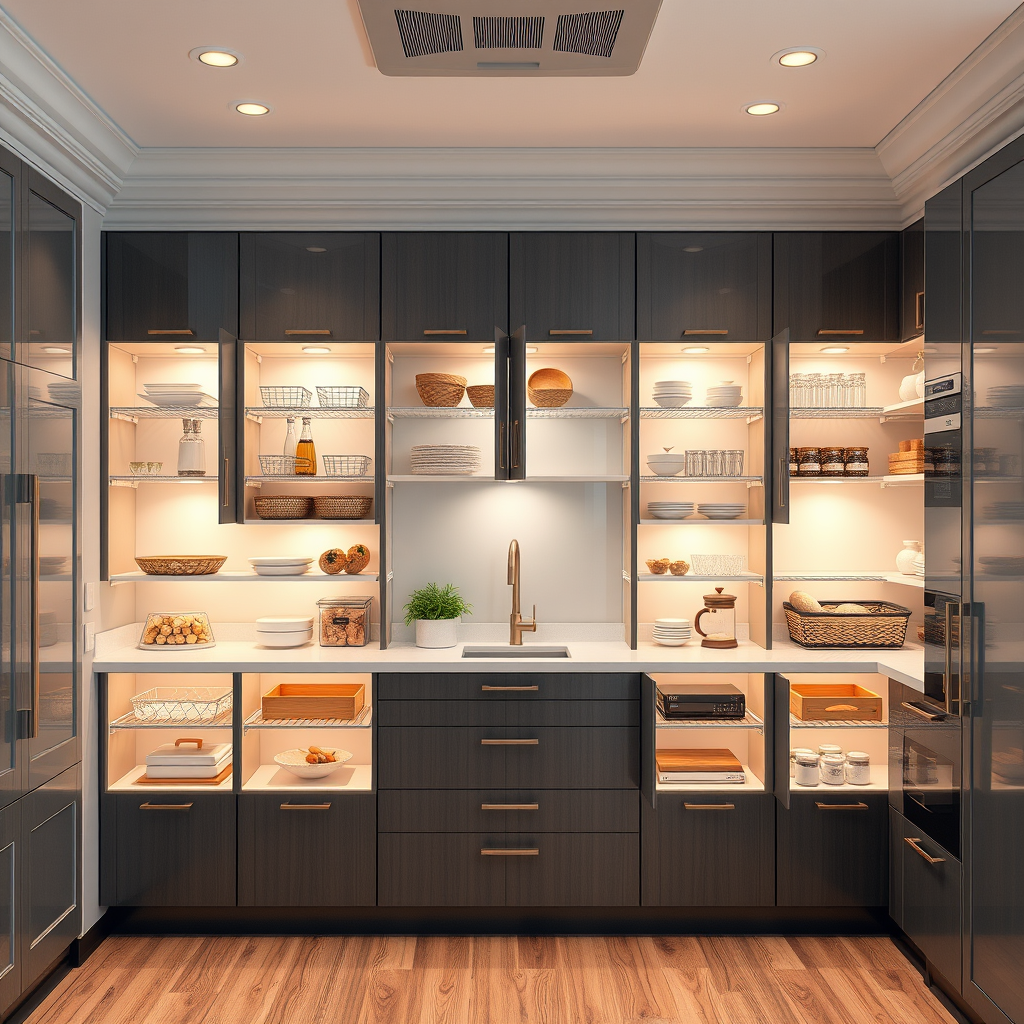
In the bustling center of a household, the kitchen serves as a hub of culinary creativity and comfort. At the heart of this space, the pantry plays a critical role, providing organized storage for your everyday staples and gourmet essentials. However, finding the most effective ways to store these pantry staples can often feel like a daunting task. With various types of pantry kitchen storage cabinets available, each designed to cater to different needs and preferences, the choice can become overwhelming. This article aims to unravel the intricacies of pantry storage solutions, offering comprehensive insights into choosing, organizing, and maintaining your pantry kitchen storage cabinets, ensuring they fit your real kitchen needs effortlessly.
Understanding Pantry Storage Needs
Before diving into the types and organization methods available, it is essential to understand your unique pantry storage needs. Pantry cabinets serve multiple functions – from holding dry goods and canned foods to housing small appliances and tableware. Consider what items you use daily and those you need less frequently. Those initial assessments determine the size and layout of your pantry cabinet. Additionally, the size of your kitchen and the way you cook both play significant roles in shaping your pantry needs. Tailor your pantry cabinet to support your lifestyle, from the top chef to the casual cook.
Types of Pantry Kitchen Storage Cabinets
There are primarily two types of pantry kitchen storage options: freestanding pantry cabinets and built-in pantry cabinets. Each comes with its own set of advantages suited to particular kitchen designs and preferences. Freestanding cabinets are versatile and can be easily relocated, making them ideal for renters or those who frequently change their kitchen layout. Built-in cabinets, on the other hand, provide a seamless look and can optimize available space efficiently, offering a tailored fit to any kitchen design. As such, understanding these two main types is paramount in deciding which pantry storage solution complements your home best.
Freestanding Pantry Cabinets
Freestanding pantry cabinets provide flexibility and mobility, making them a popular choice for many homeowners. These cabinets are available in various sizes and styles, allowing you to find the perfect fit for your kitchen space. They typically feature adjustable shelves, which can be customized to accommodate different pantry items. A significant advantage is their portability, enabling easy repositioning for better space utilization or when moving to a new home. Despite these benefits, freestanding cabinets can sometimes feel less integrated within a kitchen’s overall design. However, for those seeking adaptability, they remain an excellent option.
Built-In Pantry Cabinets
Built-in pantry cabinets are designed to perfectly integrate with your kitchen’s architecture, creating a streamlined and cohesive aesthetic. They effectively utilize vertical space and can be customized with various shelving solutions to accommodate a range of pantry items. With a built-in design, you gain more permanent storage solutions, ensuring every inch of space is used productively. Although they require a higher initial investment and are less flexible in terms of reorganization, the advantages of their permanence and integration often outweigh these considerations, offering a sought-after solution for many design-conscious homeowners.
Comparison Table: Freestanding vs. Built-In Pantry Cabinets
| Features | Freestanding Pantry Cabinets | Built-In Pantry Cabinets |
|---|---|---|
| Flexibility | High | Low |
| Customization | Moderate | High |
| Cost | Lower | Higher |
| Seamless Integration | Low | High |
| Mobility | Yes | No |
Organizing Your Pantry Storage Cabinets
- Sort Items by Category: Group similar items together for easier access and to track inventory efficiently.
- Use Clear Storage Containers: Transparent containers allow you to see contents at a glance, helping you stay organized.
- Label Everything: Labels are essential for maintaining organization within your pantry, ensuring everything has a defined space.
- Utilize Shelf Risers: Increase vertical storage by using risers, doubling your shelf capacity without sacrificing accessibility.
- Implement a Turntable: Perfect for smaller items, a turntable can improve accessibility and organization in corner spaces.
Maintaining Pantry Cleanliness
Regular maintenance is key to a functional pantry. Set a routine to check expiration dates and make it a habit to clean spills immediately to prevent pest infestations. Consider placing a moisture absorber to keep items fresh and reduce spoilage, ensuring your pantry remains clean and organized. Regularly, wipe down shelves and containers to maintain hygiene. A well-maintained pantry also prevents wastage, as it allows you to keep track of the items you have, which need to be replenished, and what can be removed or donated.
Incorporating Sustainable Practices
Sustainability in pantry management is becoming increasingly essential. Consider choosing storage solutions made from eco-friendly materials, such as bamboo or recycled plastics. By using reusable shopping bags and containers when grocery shopping, you can reduce waste and promote a sustainable lifestyle. Additionally, organizing your pantry to minimize food waste, such as rotating stock to use older items first, contributes to environmentally conscious consumption. These small steps can collectively have a significant impact on both your household’s carbon footprint and community sustainability practices.
Designing a Functional Pantry Layout
Designing a pantry layout goes beyond simply fitting shelves into a cabinet. It’s about maximizing efficiency and accessibility. Prioritize the most frequently used items by placing them at eye level while reserving higher or lower shelves for items used less often. Consider the flow of your kitchen and how the pantry layout can complement it, facilitating a more fluid cooking process. The ultimate aim is to reduce food prep time and enhance your overall cooking experience.
Utilizing Technology for Pantry Management
Technology offers innovative ways to manage your pantry efficiently. Inventory management apps can help you keep track of stocks, avoid over-purchasing, and know when it’s time to restock. Smart home technology, such as automated lighting and virtual assistants, can introduce a sophisticated touch to your pantry. These tools not only simplify the way you interact with your pantry but also introduce efficiencies, giving you more time to enjoy cooking.
Repurposing Areas for Additional Storage
If traditional shelving isn’t meeting your pantry needs, consider repurposing other areas of your kitchen. Pull-out drawers can be installed in island spaces or unused cabinetry. Wall-mounted racks or magnetic boards help use vertical wall space effectively. Under-shelf baskets also provide additional storage without requiring major renovations. This flexibility ensures that even the smallest kitchens can enjoy ample and efficient storage space.
Check prices on Amazon
Frequently Asked Questions
How do I decide between freestanding and built-in pantry cabinets?
It depends on your preference for flexibility versus integration. Freestanding cabinets are ideal for mobility needs, while built-ins offer seamless integration with existing cabinetry.
What are the best materials for pantry storage cabinets?
Opt for durable materials such as solid wood or MDF for longevity. Consider materials like wire or clear plastic for shelving to enhance visibility.
How can I prevent pantry moths?
Store food in airtight containers, maintain a clean pantry, and regularly inspect purchased items for infestations before storing.
What should I do if I have a small kitchen with minimal pantry space?
Use multi-tiered organizers, utilize vertical space with wall racks, and purge non-essential items to maximize available space.
How often should I reorganize my pantry?
Regular checks every few months are advised, with a thorough reorganization at least twice a year to ensure optimal functionality.
How can I create a child-friendly pantry?
Place healthy snacks within easy reach, use transparent containers for visibility, and secure items that require adult supervision at higher levels.
Can I install lighting in my pantry?
Yes, installing LED strips or battery-operated lights can improve visibility, making it easier to locate items within your pantry.
Why is it important to label pantry items?
Labels promote organization by assigning specific spaces for various items, which also helps maintain consistency and simplifies restocking.
Final Thoughts
A well-organized pantry is vital in ensuring your kitchen runs smoothly and efficiently. Whether you opt for freestanding or built-in pantry cabinets, the key is to tailor these storage solutions to your lifestyle and needs. Be it through sustainable practices, innovative technology, or intelligent design, your pantry can become not just a place for storage, but a functional and inspiring part of your kitchen. With careful planning and regular maintenance, you can enjoy a pantry that supports your culinary expressions and contributes positively to your household.
