
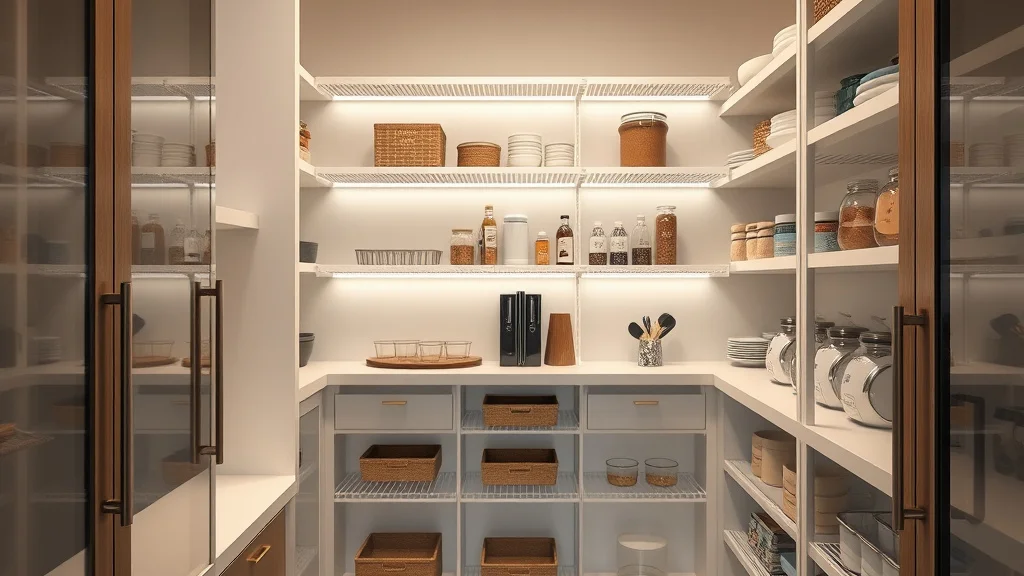
In today’s fast-paced world, a well-organized pantry is more than just a luxury; it’s a necessity. As we juggle our busy schedules, the kitchen often becomes the heart of efficiency in our homes. A well-organized pantry ensures that cooking is less of a chore and more of a pleasurable experience. Proper pantry shelving storage not only maximizes space but also makes it easier to maintain and find ingredients, ensuring that everything you need for your culinary adventures is always at your fingertips. Whether you are renovating your kitchen, moving into a new home, or simply looking to optimize your current pantry space, understanding pantry shelving options can make a significant difference.
Investing in the right shelving system requires a thoughtful consideration of several factors. From materials and design to budget and installation, understanding your options is crucial. In this article, we will dive into the essential aspects of pantry shelving, from identifying the features that matter most to comparing different shelving styles. Whether you are an apartment-dweller with limited space or looking to upgrade a sprawling pantry, this guide will illuminate the choices available to ensure you make an informed decision tailored to your needs.
Understanding Your Pantry Needs
Before diving into the plethora of shelving options available, it’s crucial to understand what your specific needs are. Consider the size of your pantry, your shopping habits, and the types of items you typically store. Determining whether you need more space for canned goods, bulky items, or small condiments can help pinpoint which shelving solutions might be most effective.
- Space Assessment: Measure the available space to determine which shelving system fits best.
- Item Categorization: Identify the categories of items you store most frequently.
- Frequency of Access: Ensure that frequently-used items are easily accessible.
Types of Pantry Shelving Materials
Selecting the right material for your pantry shelves is essential, as it directly impacts durability, weight-bearing capacity, and overall aesthetics. Some of the most common materials used for pantry shelving include wood, metal, and wire.
- Wood: Offers a classic and elegant look, providing great sturdiness and flexibility.
- Metal: Renowned for its durability and ability to support heavy items.
- Wire: A cost-effective option that is easy to install and offers good ventilation.
Adjustable vs. Fixed Shelving Systems
When choosing pantry shelving, one of the first decisions you’ll need to make is whether to go with an adjustable system or a fixed one. Both have their advantages depending on your needs and the structure of your pantry.
Adjustable shelving offers flexibility, allowing shelves to be moved up or down to accommodate items of varying sizes. On the other hand, fixed shelving provides stability and tends to be slightly more durable under heavy weights.
Comparison of Adjustable and Fixed Shelving
| Feature | Adjustable Shelving | Fixed Shelving |
|---|---|---|
| Flexibility | Highly Flexible | Less Flexible |
| Durability | Moderately Durable | Highly Durable |
| Installation | Requires Some Adjustments | Generally More Simple |
| Cost | Potentially Higher | Potentially Lower |
Customizable Shelving Options
Customizable shelving systems offer the perfect solution for those who have unique space constraints or specific aesthetic preferences. These systems can be tailored to fit any nook or cranny, ensuring no space is wasted.
- Modularity: Ability to add or remove shelves or sections as needed.
- Design Freedom: Choose from a variety of finishes and materials.
- Cost Considerations: While often more expensive, the investment can be offset by the perfect fit and increased usability.
How to Maximize Pantry Space
Efficient pantry organization goes beyond just shelving; it’s about maximizing the available space. By implementing a few simple strategies, you can increase storage capacity without compromising accessibility.
- Use of Baskets and Bins: Helps contain smaller items and prevents clutter.
- Vertical Storage: Take advantage of full-height walls to add additional shelving.
- Door Storage: Ideal for small items or spices, freeing up shelf space.
DIY vs. Professional Installation
Whether you decide to go with a DIY project or hire professionals largely depends on your comfort with home improvement tasks and the complexity of the installation.
DIY options provide a sense of accomplishment and can be more cost-effective, but require a significant time investment and some level of expertise. Professional installation can be quicker, ensuring everything is securely fastened and optimized for your space.
Cost Analysis of Pantry Shelving
The cost of pantry shelving can vary widely based on materials, size, and installation method. It’s important to have a clear budget in mind when starting your pantry upgrade.
- Material Costs: Wood tends to be pricier than wire, but offers a more sophisticated look.
- Installation Costs: Professional services come at a premium but ensure a smooth installation.
- Long-term Value: Invest in quality shelving to avoid frequent repairs or replacements.
Maintenance Tips
Keeping your pantry shelves clean and orderly is essential for maintaining the longevity and function of your storage space. Regular maintenance prevents dust build-up and ensures food items are kept in optimal conditions.
- Regular Cleaning: Dust shelves and wipe spills to prevent permanent stains.
- Check for Wear: Inspect shelves regularly for signs of wear or damage.
- Organizational Refresh: Periodically review and declutter to maintain efficiency.
Trends in Pantry Shelving
As with many home design elements, pantry shelving is constantly evolving. Current trends emphasize both aesthetic appeal and functional efficiency, blending style with purpose.
- Open Shelving: Offers easy access and a modern look.
- Integrated Lighting: Enhances visibility and adds ambiance.
- Eco-friendly Materials: Growing popularity of sustainably-sourced materials.
Potential Pitfalls and How to Avoid Them
When installing pantry shelving, there are common mistakes that could impact the efficiency of your space. Knowing these pitfalls in advance can save you time and money.
- Overlooking Weight Limits: Ensure shelves can hold the intended load.
- Ignoring Measurements: Precise measurements are crucial to avoid overcrowding.
- Poor Planning: Failing to plan can lead to inefficient use of space.
Frequently Asked Questions
What are the most durable materials for pantry shelves?
Metal and solid wood are typically the most durable materials for pantry shelves, offering strong support for heavier items.
How do I decide between fixed and adjustable shelves?
Consider your need for flexibility versus stability. Adjustable shelves are great for varying item sizes, while fixed shelves offer more stability.
Is it difficult to install pantry shelving?
The difficulty level depends on the type of shelving and personal experience. Wire shelving tends to be easier to install compared to custom wood fixtures.
What should I do if my pantry space is limited?
Maximize space by using vertical storage, door racks, and small baskets or bins for organization.
How can I maintain organized pantry shelves?
Regularly declutter and categorize items, use bins for small items, and keep frequently used items at eye level.
Are there shelving options for irregularly shaped pantries?
Custom shelving systems can be designed to fit any size and shape of pantry, maximizing storage space efficiently.
Do trends play a role in choosing pantry shelving?
While trends can inspire, it’s best to focus on functionality and personal style when choosing pantry shelving.
How often should I reorganize or clean my pantry shelves?
It’s a good practice to review and refresh your pantry organization every few months to maintain efficiency.
Final Thoughts
Choosing the right pantry shelving storage for your home can significantly enhance kitchen efficiency and make your space more enjoyable to use. By understanding the different materials, types, and customization options available, you can select a system that meets both your functional and aesthetic needs. Stay organized and on trend by incorporating the latest advancements and design ideas into your pantry plan. Remember, a well-organized pantry contributes greatly to the overall functionality and appeal of your kitchen, ensuring that it remains the bustling hub of your home.
