

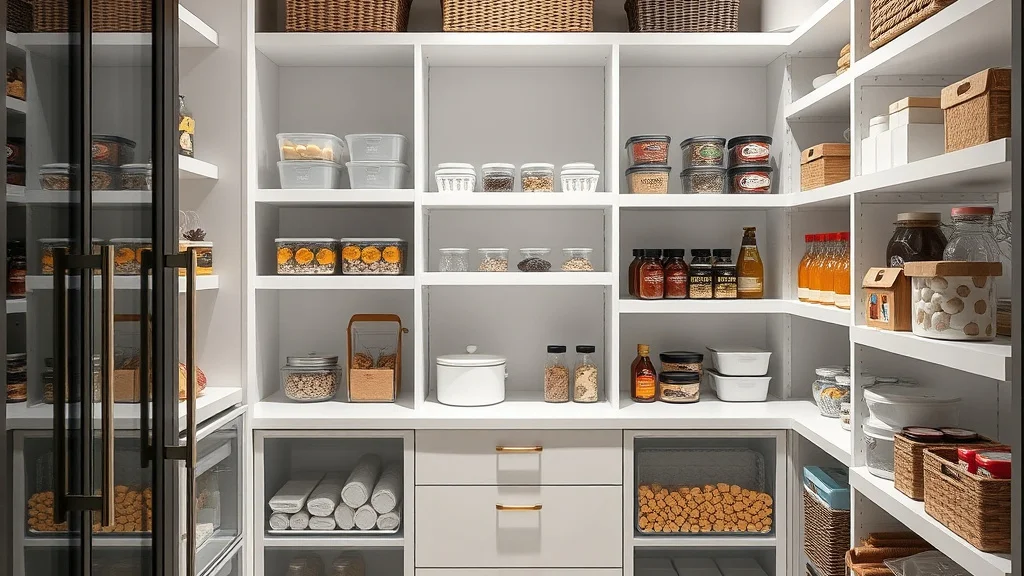
In an era where efficiency is king, maintaining an organized pantry is crucial for both functionality and aesthetics. A well-organized pantry not only makes meal preparation easier but also reduces food waste and saves money. Whether you have a small cupboard or a spacious walk-in pantry, strategic organization and intelligent storage solutions can transform your kitchen experience. This article delves into the various methods and tools you can employ to optimize your pantry space, ensuring that it remains a beacon of order amid the chaos of everyday life.
Understanding Your Space
The first step in pantry organization is assessing the available space. Are you working with a small cupboard or do you have the luxury of a walk-in pantry? Each space comes with its unique challenges and opportunities. Understanding your pantry’s dimensions helps in selecting the appropriate storage solutions. Measurements determine what kinds of shelves, baskets, or containers will fit, facilitating a clutter-free environment that’s easy to navigate.
Essential Pantry Organization Tools
The right tools can make all the difference when organizing your pantry. Key items include stackable containers, lazy Susans, and tiered shelf organizers. Stackable containers are perfect for storing dry goods, allowing easy identification and efficient use of space. Lazy Susans, typically used for condiments and small items, make accessing hard-to-reach areas a breeze. Tiered shelf organizers elevate items at the back, providing quick access to everything in your pantry.
Comparing Pantry Organization Systems
While there are numerous organization systems available, two prominent types are the modular shelving system and the traditional fixed shelving. Here’s a comparison of these two:
| Feature | Modular Shelving System | Traditional Fixed Shelving |
|---|---|---|
| Flexibility | Highly adjustable to fit changing storage needs | Less flexibility once installed |
| Installation | May require professional installation or advanced DIY skills | Typically easier to install with basic tools |
| Cost | Generally more expensive due to customization options | More affordable and widely available |
| Durability | Usually more durable and able to support heavier items | Dependent on materials; some may not handle heavy loads well |
The Role of Labels in Pantry Organization
Labels are a simple yet effective tool for maintaining order. They assist in quickly identifying contents without confusion. Investing in a label maker or using stylish pre-made labels can add a personalized touch to your pantry. Consistent labeling, whether through a handwritten style or printed format, enhances both the utility and aesthetic of your storage system.
Arranging Items by Frequency of Use
Items should be arranged based on how often they are used. Daily essentials like cooking oils and spices should be placed at eye level, ensuring easy access. Infrequently used items, such as bulk goods or specialty culinary tools, can be stored on higher or lower shelves. This organization method not only streamlines the cooking process but also minimizes the clutter in high-activity zones within the kitchen.
Decanting: Pros and Cons
Decanting involves transferring dry goods from their original packaging into clear jars or containers. This method allows for easy visualization and tracking of pantry essentials. However, it requires an initial investment in containers and can be time-consuming. Ultimately, the decision to decant will depend on the individual’s priorities: aesthetics and ease of access versus time and monetary investment.
Utilizing Vertical Space
Poor utilization of vertical space is a common pitfall in pantry organization. By installing taller shelves or adopting wall-mounted storage solutions, you can maximize your storage capability. Items that are used less frequently can be placed higher up, while everyday necessities remain within arm’s reach. This vertical approach ensures all potential storage space is utilized efficiently.
Incorporating Technology
Embracing technology can automate and enhance your pantry organization. Smart kitchen scales, inventory management apps, and voice-activated systems can track pantry supplies, suggest meal preparations, and notify you of impending expiries. While initially requiring a learning curve, these tech tools can significantly streamline both shopping and cooking processes over time.
Over-the-Door Storage Solutions
Using the often-overlooked back of a pantry door can provide additional storage space. Over-the-door racks and organizers can house small items like spices, snacks, or cleaning supplies. These solutions maximize available space without the need for complex installations. They’re especially useful in compact kitchens where every inch counts. Check prices on Amazon
Maintaining an Organized Pantry
Achieving an organized pantry is one thing; maintaining it is another challenge entirely. Regular purging is vital. Set aside time monthly or quarterly to evaluate pantry contents and remove expired items. This practice not only keeps the space orderly but also minimizes food waste. Additionally, re-evaluate your family’s needs periodically to ensure that storage solutions remain effective and efficient.
Frequently Asked Questions
How often should I reorganize my pantry?
Reorganization every three to six months helps maintain order and ensures that stored items are fresh.
Is it worth investing in custom pantry solutions?
Custom solutions can optimize space and add value to your home, particularly in high-usage kitchens.
What are the best pantry shelves for a small space?
Tiered shelving and rotating systems are ideal for maximizing small spaces efficiently.
Can decanting dry goods lead to pests?
If containers are airtight and well-sealed, decanting can actually deter pests more than original packaging.
Why is labeling important in a pantry?
Labels facilitate quick identification, reducing confusion and making restocking an efficient process.
Should all items in a pantry be placed in containers?
Not necessarily. Only items that benefit from sealed storage, like flours and grains, should be containerized.
What’s the best way to clean pantry shelves?
Use a mild detergent or vinegar solution regularly to maintain cleanliness and prevent contamination.
Are sustainable materials practical for pantry organization?
Yes, sustainable materials can be durable and eco-friendly options for organization and storage needs.
Final Thoughts
An organized pantry is the cornerstone of an efficient kitchen, transforming the chaos into a harmonious space where cooking becomes a joy rather than a chore. By understanding your space, employing the right tools, and committing to regular maintenance, you can design a pantry that not only meets your storage needs but also aligns with your aesthetic preference. Invest the time and effort now, and revel in the simplicity and satisfaction of an orderly kitchen environment.
