

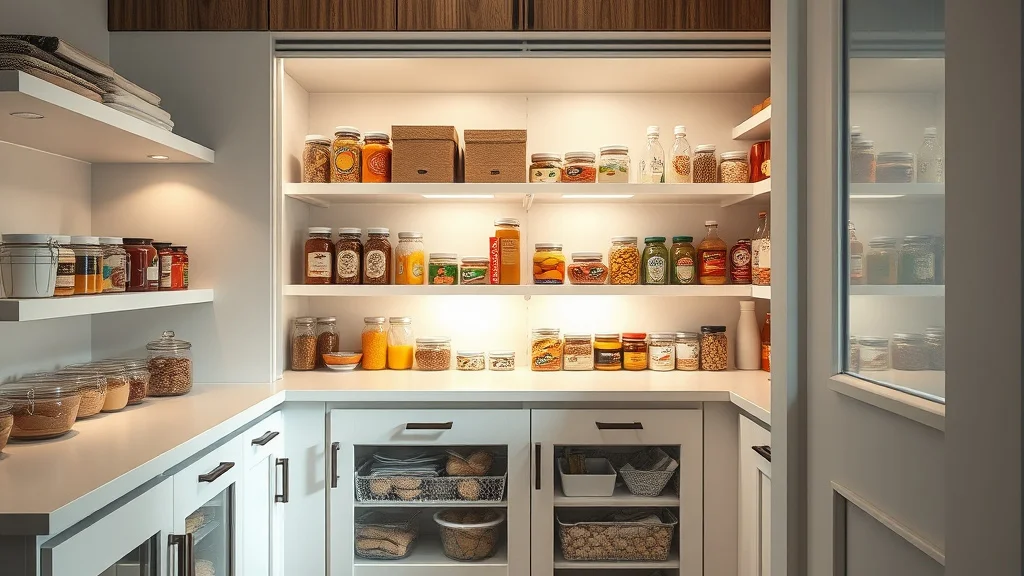
In every culinary endeavor, whether it’s a gourmet creation or a simple family dinner, the pantry stands as an essential keystone of the kitchen. It is the hub where ingredients are stored, the command center for meal planning, and the bastion against last-minute grocery runs. Yet, the pantry can also be a source of frustration if not organized efficiently. Not only does a well-organized pantry save time and reduce waste, but it also ensures you’re making the most of the ingredients at your disposal. In this comprehensive guide, we’ll delve into the intricacies of organizing your food storage pantry, examining different storage types, providing actionable tips, and answering common questions to help you craft the ultimate pantry space.
Understanding Your Pantry Needs
Your journey towards a well-organized pantry begins with assessing your specific needs. A pantry tailored to your lifestyle and cooking habits can profoundly impact efficiency and satisfaction in the kitchen.
- Consider the size and layout of your pantry: Do you have a walk-in space or a modest cupboard?
- Evaluate your household’s dietary habits and the type of meals you prepare frequently.
- Take stock of items you purchase regularly—cans, jars, bags, and other packages require different organizational strategies.
- Define your goals: Are you looking for aesthetics, convenience, or both?
The Benefits of a Well-Organized Pantry
Understanding the benefits of a well-structured pantry can motivate you to commit to the task.
- Time Efficiency: Finding ingredients quickly can significantly reduce meal prep time.
- Food Safety: Proper organization prevents food items from expiring unnoticed at the back of shelves.
- Cost Savings: With clear visibility of what you have, you’ll avoid unnecessary purchases and reduce food wastage.
- Stress Reduction: A clear, organized space promotes a calm and efficient cooking environment.
Types of Pantry Storage Solutions
To enhance your pantry’s functionality, choosing the right storage solutions is key. Below, we compare two popular pantry storage options: Shelving Units and Pull-Out Drawers.
| Features | Shelving Units | Pull-Out Drawers |
|---|---|---|
| Accessibility | Items are visually accessible; ideal for large items. | Offers excellent reach to the back of storage areas. |
| Space Utilization | Provides ample vertical storage; may require stacking. | Maximizes use of deep cabinets; minimizes stacking. |
| Customizability | Highly customizable with adjustable shelves. | Limited to fixed heights but flexible in configuration. |
| Cost | Generally more economical and easy to install. | Typically more expensive; complex installation. |
Optimizing Shelf Space
Optimizing shelf space is a critical component of pantry organization. The key is in leveraging vertical space effectively and maintaining visibility.
- Utilize shelf risers to double the space on lower shelves.
- Consider installing adjustable shelves to accommodate various heights of food packages.
- Use clear containers to store bulk items—this minimizes visual clutter and keeps items fresh.
- Label shelving areas clearly to indicate home zones for specific items, such as snacks, grains, or spices.
Leveraging Pantry Doors for Extra Storage
The often-overlooked pantry door represents valuable real estate. Creative utilization can add significant storage space.
- Install over-the-door organizers to hold small items like spices, sauces, or snacks.
- Attach hooks to hang utensils, bags, or potholders for easy access.
- Consider magnetic strips for securing metallic items like scissors or shopping lists.
- Use a chalkboard or whiteboard to jot down grocery lists or meal plans.
Containerization: The Secret to Clutter-Free Pantries
Implementing containers throughout your pantry can dramatically transform the functionality and appearance of the space.
- Choose clear containers to easily identify contents and track quantities.
- Opt for stackable containers to maximize space, especially in cramped areas.
- Consider airtight containers for perishables like flour, sugar, and cereals.
- Labels are critical—use them to clearly mark expiration dates and contents.
Categorization and Labeling Strategies
Categorization coupled with labeling is a surefire strategy to maintain an organized pantry over time.
- Create specific zones within your pantry for different categories such as baking, snacks, and beverages.
- Label each zone clearly, using consistent style and color for all labels.
- For families, using picture labels can be helpful for children to locate and return items easily.
- Regularly update labels, especially if you frequently rotate the pantry’s contents.
Seasonal Pantry Rotation
Organizing your pantry isn’t just a one-time activity. Regular rotation is essential, especially with changing seasons and food preferences.
- During seasonal changes, review pantry items and adjust for in-season ingredients.
- Consider dedicating a section for seasonal foods and regularly update this space according to the time of year.
- Rotate items systematically: bring older items to the front and restock with new items at the back.
- Keep a running list of items to restock based on seasonal needs and previous usage patterns.
Incorporating Technology for Modern Pantry Management
Today’s pantry management can be enhanced through technology, making it easier to maintain order and efficiency.
- Use pantry management apps to track inventory and expiry dates.
- Set reminders for restocking essentials or expiring items.
- Consider smart kitchen solutions like devices to help automate inventory management.
- Keep an electronic list shared with your household to ensure everyone contributes to maintaining the pantry.
DIY Pantry Makeover Ideas
If you’re on a budget, there are simple DIY ideas that can revamp your pantry’s functionality and look.
- Create DIY labels with personalized designs that reflect your kitchen’s motif.
- Use reclaimed wood or carton boxes for additional DIY storage solutions.
- Spray paint mismatched jars or containers for a cohesive aesthetic.
- Repurpose household items such as magazine holders for storing canned goods.
Frequently Asked Questions
How often should I clean my pantry?
A thorough cleaning every three to six months is recommended, with periodic organizational checks.
What are the best containers for flour and sugar?
Airtight containers are ideal, as they keep these staples fresh and protected from pests.
How can I reduce pantry waste?
Regular inventory checks, proper storage techniques, and awareness of expiration dates can significantly cut down waste.
What can I do with expired food items?
Dispose of them responsibly, and consider composting if conditions allow. Ensure to regularly check pantry items to prevent expiration.
Should I decant all pantry items?
Not necessarily. Decant items that last longer and suit your family’s lifestyle, such as grains, pastas, and cereals, but leave snacks and smaller items in their original packaging for easy identification. Check prices on Amazon
How do I organize a small pantry?
Maximize vertical space, use door storage solutions, and prioritize the most-often-used items for easy access.
What is the best way to store canned goods?
Utilize can dispensers or stackable shelves to organize by type and ensure easy rotation and access.
How can I teach my children about pantry organization?
Get them involved in the setup process, and use picture labels or colors to mark locations for their snacks or items.
Final Thoughts
Your pantry is more than just a storage space; it’s a dynamic part of your kitchen ecosystem. With the right strategies, tools, and a touch of creativity, organizing your food storage pantry can enhance your culinary experience, reduce stress, and increase efficiency. Whether by implementing smart storage solutions, embracing technology, or employing a rotational system, the goal should always be to create a harmonious space that reflects both your lifestyle and needs. By investing attention and care, a tidy, well-organized pantry is well within reach, transforming your kitchen experience into one of joy and ease.
