

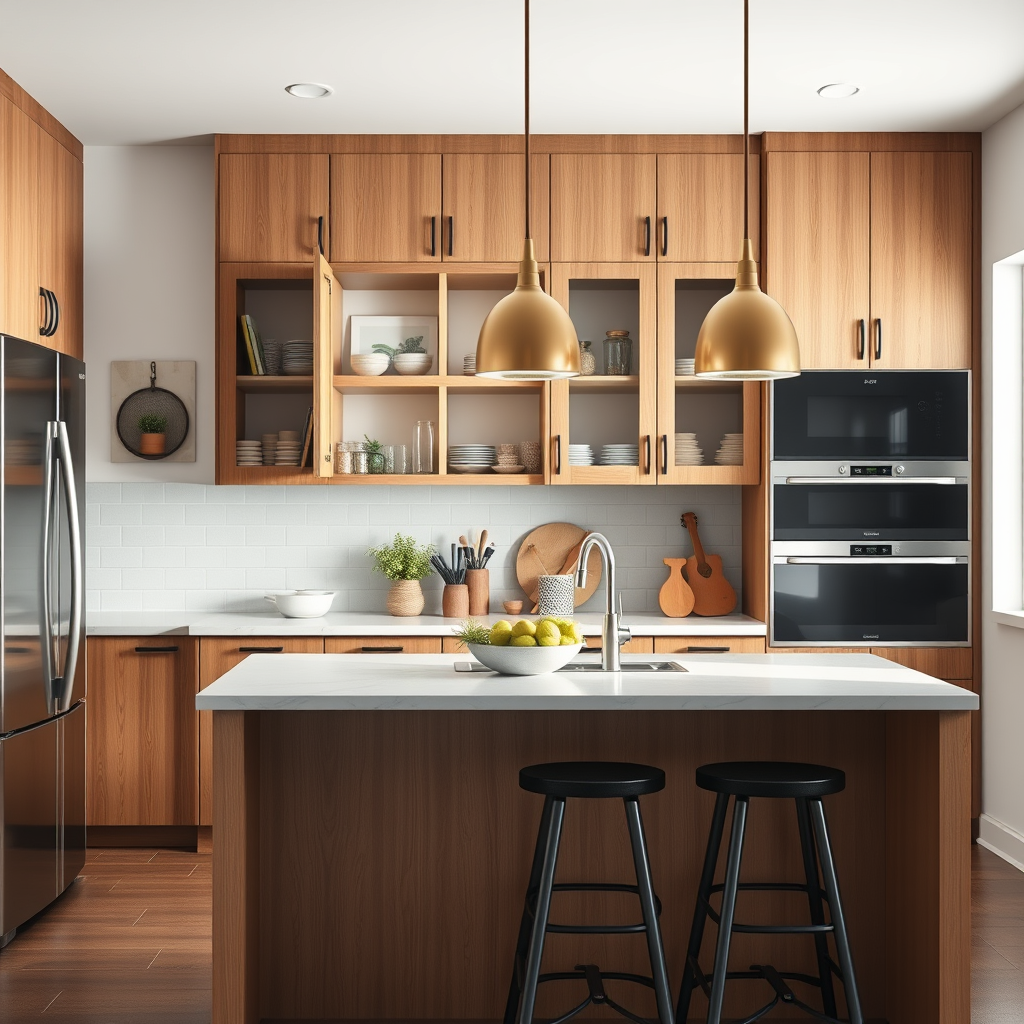
In our fast-paced world, efficient kitchen organization is an increasingly sought-after goal. A well-designed kitchen pantry storage cabinet not only helps manage pantry staples efficiently but also enhances the overall aesthetic of the kitchen space. When it comes to building a pantry cabinet, the range of choices can be overwhelming. This guide aims to demystify the process, offering professional insights and practical instructions for building a kitchen pantry storage cabinet that suits both your needs and your space.
Understanding Your Needs
Before you embark on the journey of building a kitchen pantry storage cabinet, it’s important to clearly identify your specific needs. Consider the types of items you typically store, and take note of any unique storage requirements. Do you stock a variety of canned goods or large quantities of dry goods? Are there small appliances or cookware items that also need a home in your pantry? Understanding these factors is crucial for creating a storage solution that truly works for you.
Selecting the Right Location
Placement is key when integrating a pantry cabinet into your kitchen. Consider accessibility, traffic flow, and existing structural elements. Ideally, your pantry should be situated conveniently near food preparation areas but should not obstruct pathways or reduce kitchen functionality. Assess the potential spaces in your kitchen to determine where a pantry cabinet will fit best.
Consideration of Pantry Types: Built-In vs. Freestanding
When planning your kitchen pantry, you need to decide between a built-in cabinet and a freestanding one. Each type has its own advantages and drawbacks, which should be considered according to your specific needs and space constraints.
| Feature | Built-In Pantry | Freestanding Pantry |
|---|---|---|
| Space Requirement | Requires specific space and customization within existing kitchen layout | Versatile; can be moved and adjusted as needed in different spaces |
| Cost | Generally higher due to customization and installation | Usually more affordable and available in various price ranges |
| Adaptability | Permanent; not easily modified or relocated | Highly adaptable; can easily be changed or moved |
| Design Options | Can be seamlessly integrated into existing kitchen design | Available in several designs but might not match existing decor |
Choosing Materials
The choice of materials is crucial for the durability and aesthetic of your pantry. Common options include wood, metal, or laminates, each offering distinct benefits and considerations.
- Wood: Offers a classic and timeless look but can be susceptible to moisture.
- Metal: Durable and modern, but may not provide a warm ambiance.
- Laminates: Affordable and easy to clean, though not always as durable as solid wood.
Design and Layout Planning
Effective design and layout planning ensure that your pantry meets your organizational needs. Consider the following:
- Shelving: Adjustable shelves allow flexibility for storing items of varying sizes.
- Door Options: Opt for doors that complement your kitchen’s design, whether they’re sliding, hinged, or even absent for an open look.
- Compartmentalization: Include bins or baskets for better organization of smaller items.
Measuring and Preparation
Take precise measurements of your kitchen space to ensure your pantry fits perfectly. This includes height, width, and depth measurements, as well as any obstructions such as pipes or electrical outlets. Accurate measurements are necessary to avoid costly mistakes during construction.
Construction Process
Once your design and materials are finalized, the next step is the construction process. Follow these key steps:
- Gather necessary tools and supplies, such as a saw, hammer, nails, and screws.
- Cut your materials according to the design specifications.
- Assemble the frame and install interior shelving.
- Secure the cabinet in its designated location within your kitchen space.
Finishing Touches
The finishing touches can elevate the look of your pantry while adding practical elements. Consider adding paint or varnish for protection and aesthetics. Install handles and knobs that match your kitchen hardware. These details, though small, contribute significantly to the coherence and functionality of the space.
Organizing Your Pantry
With your pantry cabinet in place, the next step is setting up an organized system. Sort items into categories such as grains, canned goods, and spices. Label shelves or containers for ease of identification and access. Check prices on Amazon
Maintenance Tips
Proper maintenance ensures your pantry remains functional and attractive over time. Regularly check for signs of wear, such as loose screws or peeling paint. Clean shelves and containers periodically to prevent dust and dirt buildup.
Frequently Asked Questions
What is the ideal size for a kitchen pantry cabinet?
The ideal size depends on your kitchen space and storage needs. Standard depths range from 12 to 24 inches, and heights vary considerably. Plan according to the items you’ll store and the space available.
How can I maximize limited pantry space?
Use adjustable shelving, door-mounted racks, and tiered shelving solutions. Prioritize items by usage and store infrequently used items higher or at the back.
How do I decide between a built-in and a freestanding pantry cabinet?
Consider factors like budget, space, and permanence. Built-ins are more permanent and costly, while freestanding cabinets offer flexibility and a variety of price points.
What materials are best for kitchen pantry cabinets?
Wood, metal, and laminates each offer unique benefits. Choose based on desired aesthetics, budget, and durability requirements.
How often should I reorganize my pantry?
Consider reorganizing every three to six months, as well as conducting seasonal assessments to accommodate changes in food storage requirements.
Can I install a pantry cabinet myself?
Yes, if you have the necessary tools, skills, and time. However, more complex installations may require professional assistance.
What are essential elements of a well-organized pantry?
Segmentation of storage areas, labeling, and accessibility are crucial. Use of containers or baskets can aid in effective organization.
How do I maintain the cleanliness of my pantry?
Regularly wipe down shelves and cupboards with a mild cleaner. Inspect for expired items and pests at regular intervals.
Final Thoughts
A kitchen pantry storage cabinet is an essential component that facilitates an organized, efficient, and enjoyable cooking experience. By considering all aspects—from needs assessment to construction and maintenance—you create a solution tailored to your space and lifestyle. A well-organized pantry enhances the functionality of your kitchen and adds a touch of personalized style, making it a valuable addition to any home.
