

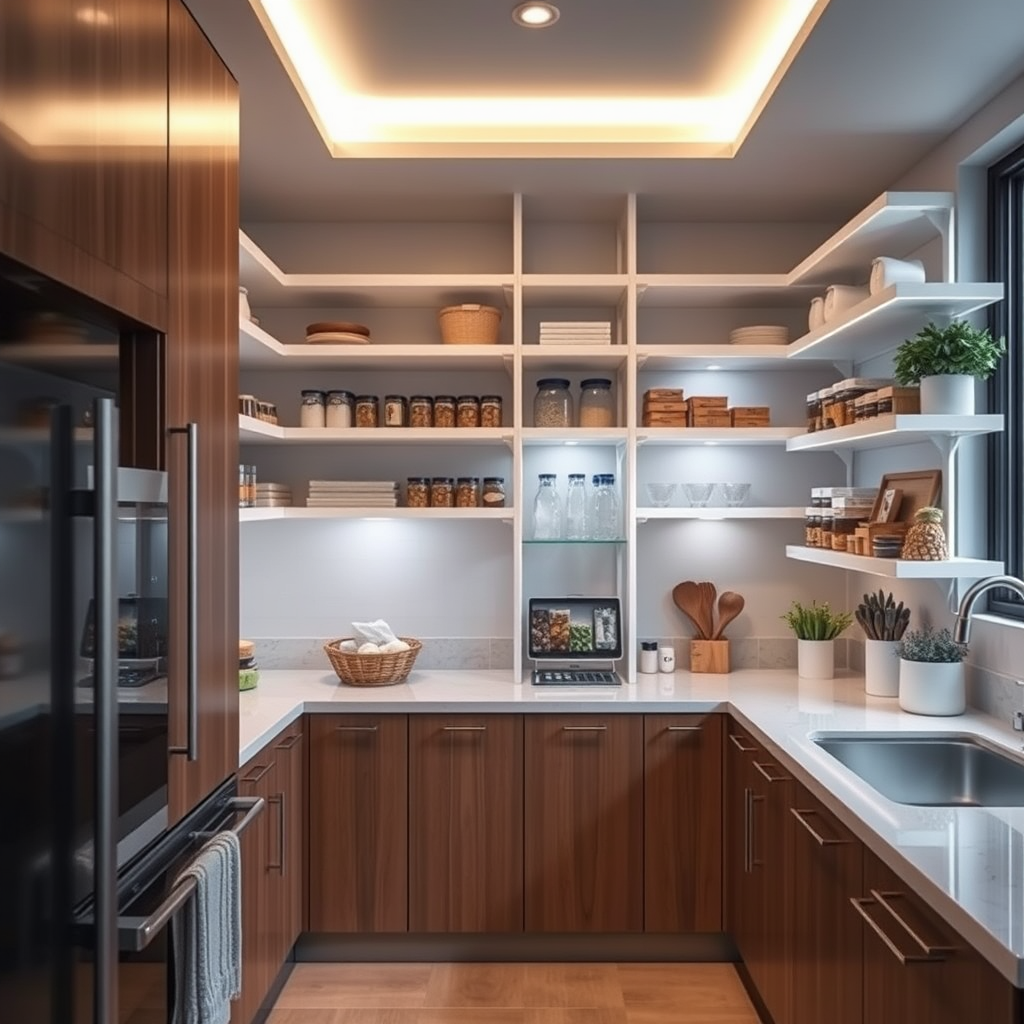
The kitchen pantry is often the heart of the home, storing everything from fragrant spices to staple grains. However, maintaining an organized pantry can be a daunting task, especially when you have limited space or a bustling household. A cluttered pantry can lead to waste, as ingredients get buried and forgotten, or it can even become a source of stress as you struggle to locate that elusive jar of pasta sauce. This article aims to guide you through the process of transforming your chaotic pantry into a well-ordered haven. We’ll explore innovative storage solutions and simple organizational hacks that can make a world of difference.
Understanding Your Pantry Needs
Before diving into pantry organization, it’s crucial to assess your specific needs. Consider the following:
- What are your household’s most frequently used items?
- How much space is available?
- Are there any dietary restrictions or specific storage requirements (e.g., gluten-free, pet food storage)?
By understanding these needs, you can tailor your organization efforts to better suit your lifestyle, ensuring that your pantry works for you, not against you.
Decluttering and Cleaning
The first step in any organization project is decluttering. Remove everything from your pantry shelves, checking all expiration dates and discarding anything that is expired or stale. This process will reveal just how much space you have to work with and give you a blank canvas to start your organization journey. Once cleared, take this opportunity to clean your pantry. Wipe down shelves with a damp cloth and let them dry thoroughly. Consider lining the shelves with drawer liners for easier future cleaning.
Creating Zones for Efficiency
Creating zones in your pantry is an efficient way to organize items based on their category and frequency of use. Here are some zones to consider:
- Baking Supplies: Flour, sugar, baking soda, etc.
- Cooking Essentials: Oils, vinegars, and frequently used spices.
- Snacks: Healthy grabs for quick bites.
- Canned Goods: Tomatoes, beans, soup stocks, etc.
- Grains and Pasta: Rice, quinoa, spaghetti, etc.
Assigning zones not only makes it easier to find items but also helps every member of the household know where everything belongs.
| Type | Benefits | Drawbacks |
|---|---|---|
| Open Shelving |
|
|
| Closed Cabinetry |
|
|
The Use of Clear Storage Containers
Investing in clear storage containers is one of the simplest ways to enhance pantry organization. Here’s why they’re beneficial:
- Visibility: See your contents immediately, reducing the search time and preventing over-purchasing.
- Uniformity: Creates a cohesive look, as they often stack neatly and take up less space.
- Preservation: Airtight containers preserve freshness and prevent pest invasion.
Opt for BPA-free materials and various sizes for different types of foods. Additionally, label each container clearly with the item name and expiration date for added convenience.
The Magic of Labels
Labels are a game-changer when it comes to maintaining an organized pantry. Not only do they provide clarity, but they also ensure that items return to their rightful spot. Personalized labels can be purchased, or you can create your own with a label maker. Consider labeling shelves in addition to containers, so the whole family knows where everything belongs.
The Role of Tiered Shelving
Not all items in the pantry are of equal height, and that’s where tiered shelving comes in handy. These shelves allow you to maximize vertical space and improve visibility. Place shorter items like spice jars or cans on these tiered shelves to prevent them from getting lost at the back of a pantry. Different heights are visible, reducing time spent searching for items.
Embrace the Power of Door Storage
Utilizing the back of your pantry door can significantly expand your storage capacity. Consider options such as:
- Door-mounted racks for spices or condiments.
- Hanging pockets for snacks or smaller packaged goods.
- Magnetic boards for sticking notes or recipes.
All these can contribute to an extremely efficient storage solution that capitalizes on unused space.
Incorporating Lazy Susans
Lazy Susans are an excellent choice for cupboards or corners in your pantry where items can often be forgotten. They allow easy access to groups of items. Place condiments or jars on a Lazy Susan so you can simply spin it to find what you need without having to shuffle through other items. Check prices on Amazon
Implementing Drawers and Baskets
If your pantry is large enough, incorporating pull-out drawers or baskets can be a useful addition. They offer the advantage of bringing items to you, eliminating deep pantry diving. Baskets can be categorized easily, such as one for snacks, another for grains, etc., keeping similar items together for easy reach. Remember to label baskets for easy identification.
Maximizing Vertical Storage
Maximizing vertical storage is key in a pantry with limited space. Consider stackable bins and storage that cater to taller shelves. A two-tier basket system can allow you to benefit from otherwise wasted vertical space. This can be particularly useful for items such as onions and potatoes which don’t spoil easily.
Organizing Refrigerated Items
Don’t forget about the mini-pantry pint in the fridge! Similar organization techniques apply here. Use clear bins to group similar items, such as cheeses or deli products, and label them accordingly. Make fridge zones just like the pantry, such as dairy, condiments, and quick snacks.
Frequently Asked Questions
Do I need to buy expensive containers to organize my pantry?
Not necessarily. While high-end containers can be beneficial with long-term use and aesthetics, affordable options are available that can also maximize storage and improve organization. Consider budget-friendly options such as glass jars or durable plastic bins.
How often should I reorganize my pantry?
It depends on your household’s consumption rate. However, a quarterly review is typically adequate for maintaining order and ensuring products are not expired or wasted.
What should I do with items that are nearing expiration?
Arrange these items towards the front of the pantry where they can easily be seen and used first. You can also plan your meals around these items to reduce waste.
Are door-mounted storages suitable for all types of pantries?
Mostly, yes. They are versatile and can be installed on most pantry doors. However, ensure your door can handle the additional weight before installation.
What is the best way to store bulk items?
Transfer bulk items into smaller, sealable containers for easy access and to keep them fresh. Store the larger quantities in a basement or less used area, replenishing the pantry as needed.
How can I optimize pantry space if I have a small kitchen?
Use vertical space wisely, opt for tiered shelving, use the pantry door for storage, and only keep essential items on hand. Purge items regularly to make sure the small space is used efficiently.
How can I encourage my family to keep the pantry organized?
Involve them in the organization process and provide clear labels and zones. Build a system that’s easy for them to follow, making it more likely they’ll maintain it.
Can organizing my pantry help reduce food waste?
Yes, a properly organized pantry can significantly reduce food waste by making it easy to see and access items, therefore reducing the likelihood of buying unnecessary duplicates or letting food go forgotten and expire.
Final Thoughts
Organizing your kitchen pantry might seem like a challenging task, but the effort is well worth the rewards. Not only does a well-organized pantry contribute to a visually pleasing kitchen, but it also promotes efficiency and reduces food waste. Embrace the guidelines outlined above, and tailor them to your specific needs, preferences, and lifestyle. With careful planning and execution, your pantry can become an organized and functional space that supports your culinary endeavors and simplifies your life.
