

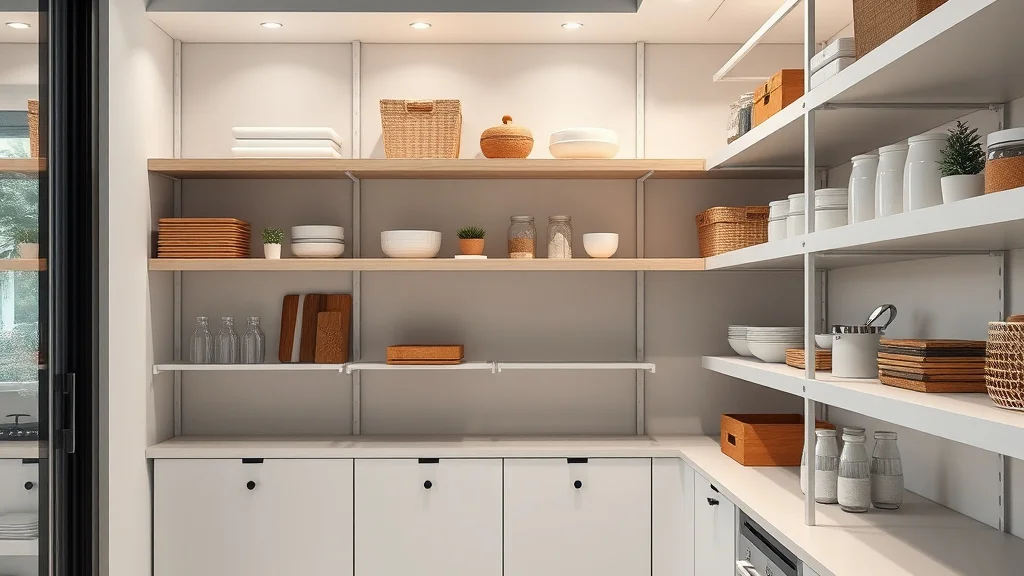
The pantry is the heart and soul of home organization when it comes to food storage. With an ever-growing variety of ingredients, snacks, and culinary tools, it’s no wonder that many feel overwhelmed by keeping their pantry in order. Proper pantry shelving can transform your storage space, improving not only aesthetics but functionality too. But with so many shelving options available, how do you choose the right one for your pantry? This guide will walk you through the essentials of pantry shelving, helping you to maximize every inch of space and bring order to what often feels like chaos.
Why Shelving Matters in Pantry Organization
Shelving is more than just a place to store items—it impacts how you access and utilize your pantry space. With effective shelving, you can easily locate ingredients, maintain an inventory, and prevent food waste by ensuring items are visible and accessible. Without structured shelving, the pantry becomes cluttered, and accessing items can become cumbersome, leading to unnecessary stress every time you prepare a meal.
Types of Pantry Shelving
When it comes to selecting shelving for your pantry, the array of options can be daunting. Two popular choices include wire shelving and solid shelving, each with its unique features. Wire shelving is celebrated for promoting airflow and reducing dust, while solid shelving offers a flat surface that’s ideal for stability and easy cleaning. Let’s take a closer look at these shelving types to determine which one might best suit your needs.
Advantages and Disadvantages of Wire Shelving
Wire shelving is a common choice in modern pantries for various reasons:
- Ventilation: Wire shelves allow air to freely circulate, preventing moisture buildup, which is particularly beneficial in maintaining freshness for dry goods.
- Visibility: The open design makes it easy to see what’s stored on each level, making inventory management simpler.
- Affordability: In many cases, wire shelves are more cost-effective compared to their solid counterparts.
However, wire shelving comes with a few downsides, such as difficulty in storing small items without additional baskets and potential for items to tip over due to the uneven surface.
Advantages and Disadvantages of Solid Shelving
Solid shelving provides another pathway to organized pantry bliss:
- Stable Surface: The flat surface is ideal for keeping bottles, jars, and small items securely in place without the need for additional containers.
- Versatility: Solid shelves tend to bear heavier loads, offering opportunities to store bulkier items and kitchen appliances.
- Easy Maintenance: Cleaning is straightforward as the flat surface can be wiped down effortlessly.
On the downside, solid shelving can be more expensive and does not offer the same air circulation as wire shelving, potentially allowing moisture to settle.
| Feature | Wire Shelving | Solid Shelving |
|---|---|---|
| Ventilation | Excellent | Poor |
| Visibility | High | Moderate |
| Affordability | Generally Lower | Generally Higher |
| Surface Stability | Medium | High |
Choosing the Right Material for Your Pantry Shelving
Material choice has a direct correlation with the durability and maintenance of your pantry shelves. Common materials include wood, metal, and plastic. Wood offers classic aesthetics and sturdy support for heavy items. Metal, often paired with wire shelving, provides a modern look with excellent durability and airflow. Plastic, meanwhile, offers affordability and is often chosen for customizing shelves within tight budgets.
Installation Considerations
Whether you’re DIYing your pantry setup or hiring a professional, understanding the basics of shelf installation can help ensure a secure, long-lasting setup. Think about:
- The weight you’ll be placing on the shelves, ensuring wall studs, brackets, and materials are suitable to hold those loads.
- The height and depth that maximize accessibility and use of vertical space, without making items hard to reach.
- Your pantry layout, to accommodate walk-in access or corner spaces with suitable shelf configurations.
Maximizing Space with Adjustable Shelving
Adjustable shelving empowers you to modify shelf height and position in accordance with the dimensions of your pantry goods. This adaptability is invaluable as your needs evolve, allowing for seasonal pantry items, growing families, or changing dietary requirements.
The Role of Pull-Out Shelves
Efficient use of space is not solely about more shelving, but also about accessibility. Pull-out shelves extend outwards, bringing items to you, which can make deep pantries more navigable and reduce the time spent rummaging for items at the back.
Integrating Baskets and Containers
Combining open shelving with baskets or clear containers can prevent items from sliding off and provide a way to group smaller items together. It also helps in maintaining a clutter-free space by categorizing food items and often includes: Check prices on Amazon
- Transparent containers for grains and cereals.
- Wicker or wire baskets for produce and loose items.
- Labeled containers for custom categorization and quick item identification.
Color Coding for Efficiency
Implementing a color-coding system on your shelves enhances both organization and efficiency. Assigning colors to categories or frequency of use can transform how the pantry is perceived and navigated by family members. It facilitates immediate recognition of where items belong, reducing clutter and misplaced goods.
Lighting Setups for Your Pantry Shelves
A well-lit pantry is a functional pantry. Incorporating suitable lighting—whether it’s LED strips under each shelf or a central fixture—can make item retrieval smoother and alleviate the strain of hunting through dim storage areas. Consider options based on energy efficiency and how the light enhances the visibility of your pantry setup.
Frequently Asked Questions
1. How much weight can pantry shelves hold?
It largely depends on the material and installation method. Wire shelves generally support up to 80 pounds per linear foot when properly installed, while solid wood or metal shelves may hold more.
2. Can wire shelving be customized?
Yes, wire shelving systems often offer adjustable heights and the addition of hooks or dividers to increase their versatility.
3. Are there design trends in pantry shelving?
Minimalistic and sustainable designs, open shelves with natural finishes or painted accents, and tech-integrated solutions like lighting and sensors are popular trends.
4. How do I maintain solid wood shelves?
Regular dusting and periodic checks for water damage are recommended, along with occasional resealing or staining to protect against wear.
5. Can I install pantry shelves myself?
Yes, many shelving systems are designed for DIY installation. However, proper tools and adherence to installation instructions are crucial to ensure safety and durability.
6. How can pull-out drawers be installed?
Most are installed on side-mounted rails that extend from the interior sides of the pantry. Kits typically include necessary hardware and instructions for installation.
7. Can I use garage shelving systems in my pantry?
While garage systems might offer heavier load bearings, they may not be suitable aesthetically or functionally for pantry use. Assess material and design for appropriateness in kitchen environments.
8. What are the best practices for organizing pantry shelves?
Put frequently used items at eye level, heavier items lower, and less-used or seasonal items higher up. Maintain a rotation system for perishables.
Final Thoughts
Choosing the right shelving for your pantry is an investment in your household efficiency and peace of mind. By finding the ideal blend of style and functionality, and tailoring your storage system to your unique needs, you can turn your pantry from a cluttered corner into an organized centerpiece of your kitchen environment. Remember, the right system should evolve with your lifestyle, continuing to meet both the practical and aesthetic needs of your home as time goes on.
