

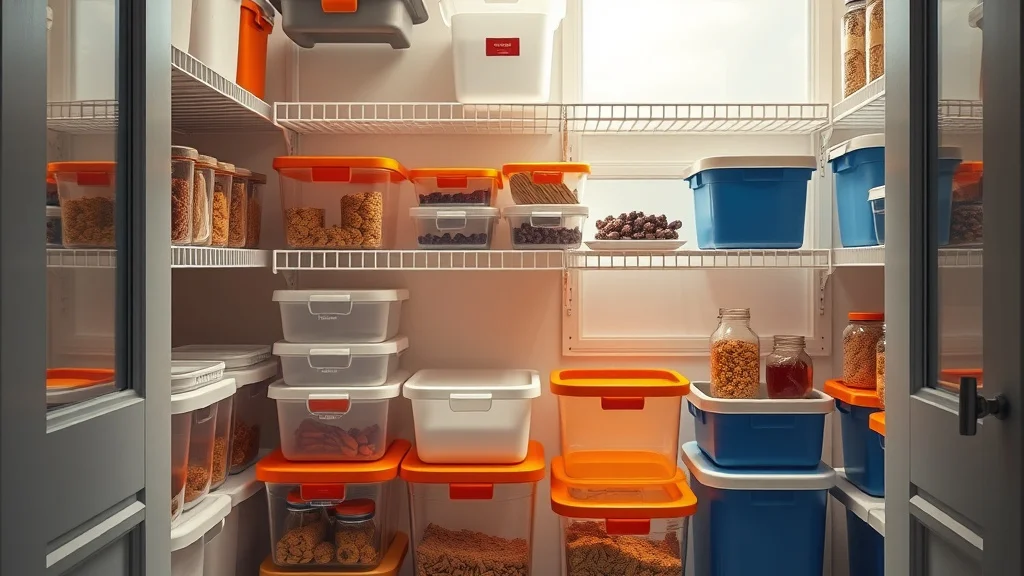
In today’s fast-paced world, maintaining an organized pantry has become essential not just for aesthetic purposes but also for practical ones. Successfully navigating through cluttered shelves to find that elusive spice or ingredient can be exhaustive, which is why pantry plastic storage containers have emerged as a popular solution. These robust containers are designed to help streamline your kitchen operations, ensure food safety, and enhance the overall appearance of your storage spaces. From keeping dry snacks fresh to ensuring your pantry staples are easily accessible, these containers play a critical role in home organization.
The Benefits of Using Plastic Storage Containers
Plastic storage containers for the pantry offer numerous benefits:
- Durability: Unlike glass, plastic storage containers are less prone to breaking, making them a terrific option for households with children.
- Affordability: They are typically less expensive than their glass counterparts, making it easier to organize your entire pantry without breaking the bank.
- Portability: Lightweight and easy to carry, plastic containers can be easily moved, stacked, and stored, which is perfect for both small and large pantry spaces.
Safety and Quality: What to Look for
When selecting plastic storage containers, ensuring safety and quality should be a top priority. Here are some factors to consider:
- BPA-Free: Look for containers that are free from Bisphenol A (BPA), a chemical often used in plastics that can seep into food and beverages, causing potential health risks.
- Air-Tight Seal: An air-tight seal is crucial for keeping food fresh longer and preventing pests from entering the containers.
- Food-Grade Plastic: Opt for containers made from materials certified food-grade safe, ensuring no toxins are transferred to food items.
Types of Plastic Storage Containers
Plastic storage containers come in a variety of types and designs. The two most common and popular among consumers are:
- Stackable Containers: Designed to maximize vertical space, these containers are perfect for small pantries or cupboards.
- Modular Containers: Offer versatility and can be rearranged to fit the changing needs of your pantry layout.
Comparison of Stackable and Modular Plastic Containers
| Feature | Stackable Containers | Modular Containers |
|---|---|---|
| Space Utilization | Optimizes vertical space; great for small areas | Highly flexible; adaptable to different pantry configurations |
| Designs and Shapes | Standardized size and shape for easy stacking | Variety of shapes and sizes to fit any need |
| Customization | Limited customization; primarily stack-based | Highly customizable; can be tailored to fit exact space requirements |
Choosing the Right Size
Picking the correct container size is crucial for effectively organizing your pantry.
- Small Containers: Ideal for spices, herbs, and other items that require frequent access yet take up minimal space.
- Medium Containers: Best suited for nuts, grains, and other moderately-sized pantry staples.
- Large Containers: Perfect for storing flour, sugar, and other bulk items essential for regular cooking.
Color-Coding Your Pantry
Color-coding containers is an innovative way to add organization and efficiency to your pantry:
- Visual Aid: Quick identification of similar group items, leading to time-effort savings.
- Food Groups: Separate containers by category, such as grains, snacks, and spices, each with its distinct color.
- Aesthetics: Adds a decorative element to your pantry that can be both lively and inviting.
Maintaining Freshness
To keep your pantry items fresh, consider these effective strategies:
- Proper Sealf: Ensure lids are securely sealed to maintain the freshness of contents.
- Labeling Contents: Mark content types and expiry dates for easy management and to discourage spoilage.
- Storage Conditions: Store containers in cool, dry places away from direct sunlight to prolong product life.
Storing Liquids in Plastic Containers
While mainly used for dry goods, some plastic containers are adept at storing liquids:
- Leak-Proof Construction: Pick containers specifically designed with liquid storage in mind to avoid spills and leaks.
- Graduated Measurements: Convenient measurement markings make mixing and pouring easier.
- Flexible Usage: Ideal for homemade sauces, broths, and other liquid components.
Cleaning and Maintenance Tips
Maintaining your plastic storage containers ensures they last longer:
- Regular Cleaning: Use mild detergents and warm water; avoid harsh chemicals that could damage the plastic.
- Avoid Dishwasher Damage: If containers are dishwasher safe, place them on the top rack to prevent warping.
- Thorough Drying: Ensure containers are completely dry before use to prevent mold and bacterial growth.
Eco-Friendly Alternatives
Many consumers today seek out eco-friendly plastic storage solutions. Consider the following options:
- Recycled Plastic: Containers made from recycled materials reduce environmental impact.
- Reusability: Choose durable containers that withstand multiple uses and decrease waste.
- Biodegradability: Opt for brands focusing on creating biodegradable plastics that break down naturally over time.
Utilizing Pantry Labels
Pantry labels can greatly enhance your organization efforts:
- Clear Identification: Easily distinguish between similar items which enhance the speed and efficiency of your tasks.
- Ingredient Tracking: Maintain a log of contents and their expiration dates to reduce preparation mishaps.
- Personalization: Customized labels can add a touch of charm and individuality to your pantry.
Frequently Asked Questions
Are plastic storage containers safe for food?
Yes, provided they are made from food-grade, BPA-free materials that are certified safe for storing edibles.
Can I store hot food in plastic containers?
While some containers are designed to withstand heat, it’s generally recommended to let food cool before storing to avoid leaching chemicals. Check prices on Amazon
Are plastic pantry containers freezer-safe?
Many plastic containers are designed to be freezer-safe; check manufacturer guidelines to confirm compatibility.
What’s the best way to clean plastic storage containers?
Clean with mild detergent and warm water. Ensure they are thoroughly dried before storing food in them again.
Do plastic storage containers preserve freshness better than glass?
While both have their benefits, plastic containers are usually more air-tight, often leading to improved freshness preservation.
Can plastic containers be used in the microwave?
Only microwave-safe labeled containers should be used. Otherwise, high temperatures can cause the plastic to warp or release chemicals.
How do I prevent plastic containers from staining?
Avoid storing colored sauces or oily items for extended periods. Alternatively, consider a light pre-treatment of the container with oil to deter staining.
How long do plastic storage containers last?
With proper maintenance and care, plastic containers can serve well for many years, though regular inspection for wear and damage is advised.
Final Thoughts
Pantry plastic storage containers offer an ingenious solution for any homemaker seeking to enhance their kitchen’s functionality and aesthetics. They ensure a neat, organized, and efficient pantry system that simplifies meal preparations and keeps food fresh. By carefully selecting the right type, material, and size of containers, one can create an optimized food storage space that not only meets everyday needs but also contributes to a sustainable environment. With a systematic approach that involves labeling, color-coding, and organizing, these containers can remarkably transform your pantry into a practical, beautiful space. Whether for a small apartment kitchen or a sprawling home culinary space, pantry plastic storage containers are an invaluable addition to modern living.
