

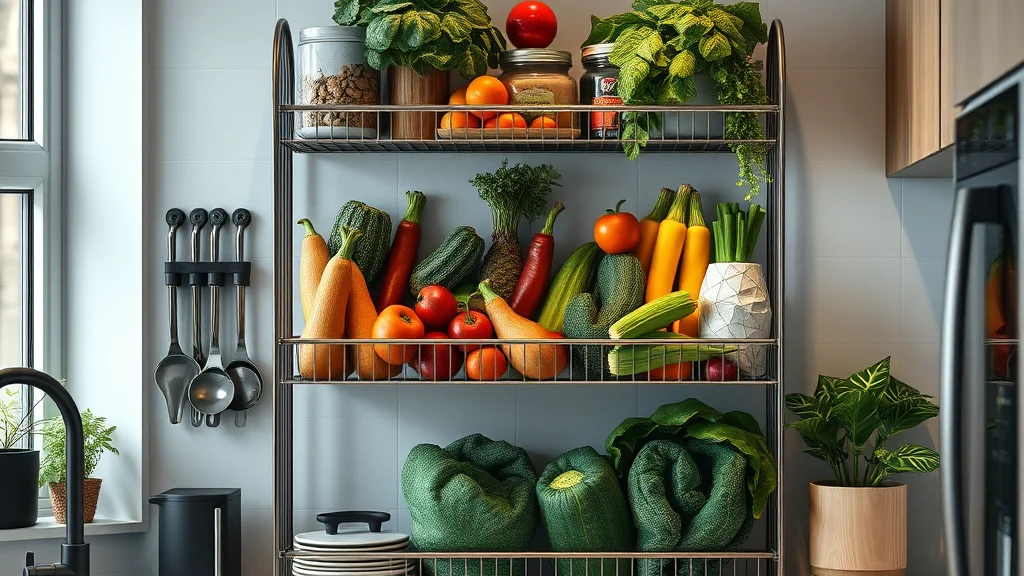
In today’s fast-paced world, maintaining an organized home has become more essential than ever. One area that often requires special attention is the kitchen, where efficiency can make a significant difference in meal preparation and cooking experiences. A key component of kitchen organization is how you store your vegetables, ensuring they are easily accessible, well-preserved, and aesthetically pleasing. Enter the kitchen vegetable storage rack—a functional yet stylish solution that merges form and function. Whether you are a culinary enthusiast or someone who simply enjoys a tidy space, understanding kitchen vegetable storage is indispensable. This guide will help you choose the right option and maximize the benefits of a storage rack for your vegetables.
The Importance of Proper Vegetable Storage
Proper vegetable storage is vital not only for organization but also for health and budget considerations. Correct storage extends the life of fresh produce, maintains nutritional value, and reduces food waste. Organizing vegetables efficiently also helps you to easily assess your stock, plan meals better, and decrease the chances of buying unnecessary duplicates.
- Prolongs freshness and shelf life
- Preserves essential nutrients
- Reduces food spoilage and waste
- Enhances kitchen aesthetics
Ultimately, investing in a suitable vegetable storage solution can lead to healthier eating habits and save money over time.
Types of Kitchen Vegetable Storage Racks
Kitchen vegetable storage racks come in various styles, each offering distinct advantages in terms of space optimization, ventilation, and aesthetics. The two primary types are tiered racks and drawer-style racks.
- Tiered Racks: Ideal for easy access and visibility.
- Drawer-style Racks: Perfect for a sleek look and preserving vegetable freshness.
Understanding your kitchen’s specific needs will guide you in selecting the most suitable option.
Comparison of Tiered Racks and Drawer-style Racks
| Feature | Tiered Racks | Drawer-style Racks |
|---|---|---|
| Accessibility | High; easy reach and visibility | Moderate; requires opening drawers |
| Ventilation | Excellent; open design | Good; can have breathable materials |
| Space Efficiency | Varies; adjustable shelves available | High; often stackable |
| Aesthetics | Variety of styles and designs | Sleek, minimalist look |
| Cost | Wide range; depends on materials and size | Typically higher; complexity of design |
Materials Used for Vegetable Storage Racks
The materials of a storage rack can greatly influence its durability, appearance, and functionality. Common materials include:
- Wood: Offers warmth and a classic look; often treated to resist moisture.
- Metal: Provides durability and a contemporary vibe; often powder-coated to prevent rust.
- Plastic: Lightweight and affordable; available in various colors and designs.
Each material has its pros and cons, and the right choice depends on your kitchen style and usage needs.
Factors to Consider When Choosing a Storage Rack
When selecting a kitchen vegetable storage rack, several factors should be taken into account:
- Space Availability: Measure your kitchen space to ensure the rack fits well without hindering movement.
- Ventilation Needs: Different vegetables have varying airflow requirements.
- Storage Capacity: Choose a rack that accommodates your regular quantity of vegetables.
- Design Preference: Opt for a style that complements your kitchen’s décor.
Balancing these factors will help you find a rack that combines functionality with style.
Optimizing Space with a Vegetable Storage Rack
Proper placement and organization are key to maximizing the use of a storage rack. Consider the following tips:
- Vertical Space Utilization: Use tiered racks to make the most of vertical storage potential.
- Proximity to Prep Areas: Position racks near preparation zones for convenience.
- Zone Organization: Group like vegetables together for easy access and stock tracking.
Thoughtful planning will ensure that your rack enhances efficiency in your kitchen layout.
Maintenance of Vegetable Storage Racks
To prolong the life of your vegetable storage rack and maintain hygiene, regular maintenance is crucial:
- Cleaning: Clean shelves and drawers regularly with mild soap and water.
- Inspecting for Wear and Tear: Check for signs of damage or rust, especially in metal racks.
- Adjustments: Regularly balance and tighten screws or bolts to prevent wobbling.
These practices ensure that your rack remains functional and visually appealing over time.
Customizing Your Vegetable Storage
Customization of storage racks can further enhance their utility and aesthetic appeal:
- Modular Layouts: Some racks offer adjustable shelves for bespoke configuration.
- Color and Finish: Personalize with paints or coatings to match kitchen themes.
- Add-ons: Include additional elements such as hooks for bags or baskets for loose items.
Personal touches can transform a simple storage solution into a personalized kitchen centerpiece.
Innovations in Vegetable Storage Solutions
The realm of kitchen storage solutions is continuously evolving, introducing innovative designs that cater to modern needs:
- Smart Racks: Technologically integrated racks to monitor vegetable freshness.
- Eco-Friendly Materials: Use of sustainable materials for eco-conscious consumers.
- Multi-functional Designs: Racks that incorporate additional features like cutting boards or enclosed bins.
These innovations offer exciting possibilities for those looking to upgrade their kitchen organization systems.
Vegetable Storage Racks and Kitchen Aesthetics
A well-chosen vegetable storage rack can significantly enhance a kitchen’s visual appeal, acting as both storage and an accent piece.
- Style Integration: Choose racks that complement cabinetry and other kitchen fixtures.
- Color Coordination: Use racks in colors that tie the kitchen’s palette together.
- Texture Balance: Consider the texture contrast between racks and other surfaces like countertops.
Intentional aesthetic choices can turn functional storage into a focal point of your kitchen design.
Common Mistakes to Avoid with Storage Racks
While storage racks significantly aid kitchen organization, several common mistakes can undermine their effectiveness:
- Overloading Racks: Exceeding the weight capacity can cause structural damage.
- Poor Ventilation: Blocking airflow can hasten vegetable spoilage.
- Neglecting Maintenance: Lack of regular care can diminish usability and appearance.
Avoiding these pitfalls ensures your vegetable storage system remains efficient and durable.
Frequently Asked Questions
What is the best material for a vegetable storage rack in humid environments?
Metal or treated wood is preferable in humid conditions due to their resistance to moisture and potential mildew.
How often should I clean my vegetable storage rack?
It’s advisable to clean your vegetable storage rack at least once a month or whenever visible dirt accumulates to maintain cleanliness and extend its life. Check prices on Amazon
Can I store fruits on a vegetable storage rack?
Yes, many racks can accommodate both fruits and vegetables; however, ensure adequate spacing and ventilation among produce to prevent overripening.
Are vegetable storage racks suitable for small kitchens?
Yes, compact or wall-mounted designs can efficiently utilize limited spaces without cluttering. Always measure your space before purchase.
Do tiered racks require more maintenance than drawer-style racks?
Yes, tiered racks generally require more frequent cleaning due to open exposure, while drawer-style racks protect contents better from dust.
Can vegetable storage racks be used outdoors?
Only weather-resistant racks are suitable for outdoor use, as typical models could rust or deteriorate when exposed to the elements.
Are there child-safe vegetable storage rack options?
Yes, some racks include secure drawers or are positioned out of reach to prevent accidents in households with young children.
What is the maximum weight capacity of a typical vegetable storage rack?
This depends on the rack’s materials and design. Always refer to the manufacturer’s specifications, but a common range is between 20 to 50 pounds per shelf.
Final Thoughts
Choosing the right kitchen vegetable storage rack can transform both the functionality and aesthetic of your kitchen. Whether opting for an open and accessible tiered design or a sleek and space-saving drawer style, understanding your specific needs and constraints is crucial. By considering the materials, placement, and maintenance of your storage solution, you can enjoy fresher produce, a tidier kitchen, and a more pleasant cooking experience. With a wealth of options available, there’s no shortage of innovative and beautiful solutions to meet any kitchen’s needs. Thoughtful organization paired with modern designs makes for not just a practical enhancement but a stylistic one, as well.
