

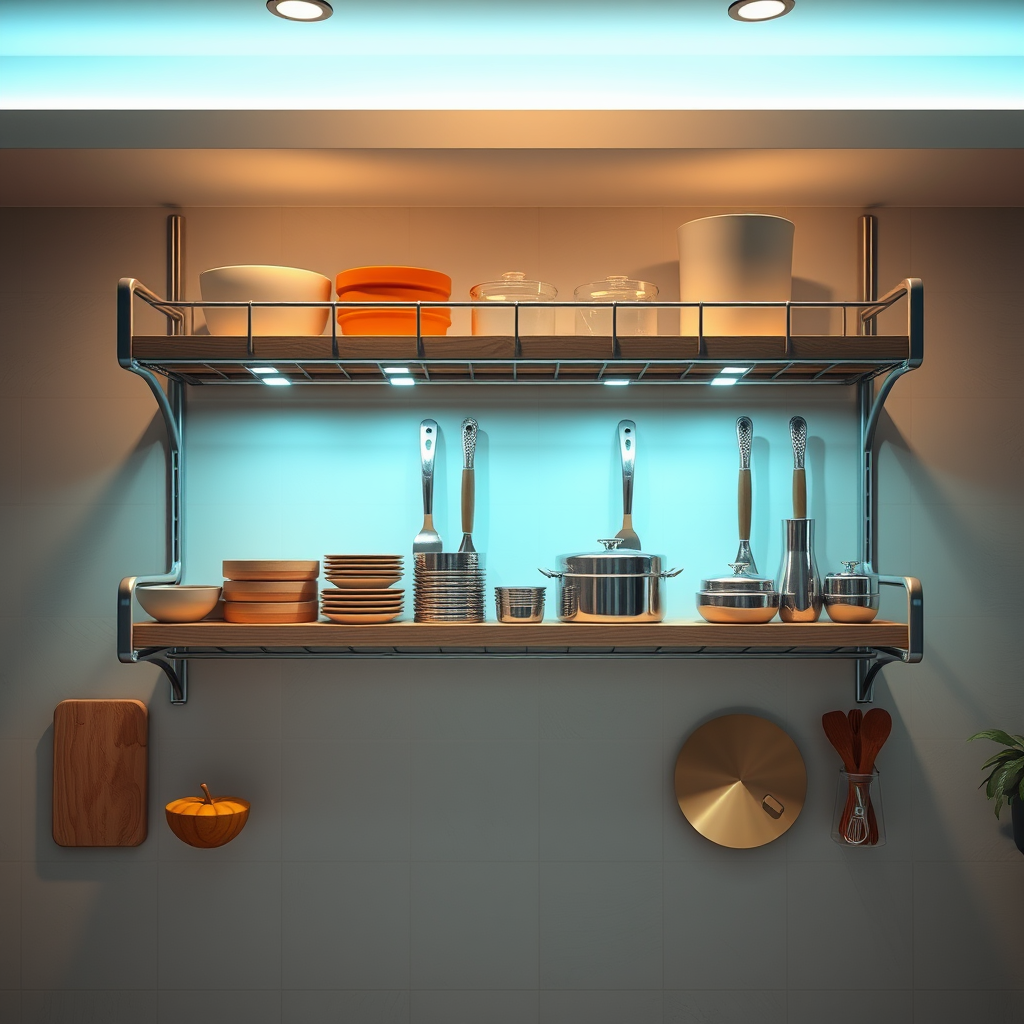
The kitchen is often regarded as the heart of the home. It is where meals are prepared, memories are made, and where clutter can quickly accumulate if not meticulously organized. In both small and modern kitchens, utilizing space efficiently is essential. This is where kitchen racks can become invaluable. These racks not only add a touch of style but also enhance functionality by keeping essentials at your fingertips. They come in a variety of designs, ranging from the practical to the aesthetically pleasing, and are crafted from a myriad of materials to suit any kitchen décor. Whether you’re dealing with limited square footage or you just want to optimize your cooking space, understanding the utility of kitchen racks can transform your culinary experience.
What Is a Kitchen Rack and How It Is Used Daily
At its core, a kitchen rack is a storage solution designed to organize your kitchen tools, utensils, and ingredients in an accessible manner. These racks allow for a functional setup that aids in cooking efficiency while keeping counter and drawer spaces free from unnecessary clutter.
- Wall Mounted Kitchen Rack: Perfect for storing utensils, spices, and even small pots, wall-mounted racks help capitalize on vertical space. By keeping commonly used items within arm’s reach, they minimize the time spent looking for tools during cooking.
- Countertop Kitchen Rack: These are ideal for holding everyday tools such as cutting boards, knives, and herbs, making them easily accessible when needed.
- Metal vs Wooden Kitchen Rack Comparison: Metal racks tend to be more durable and offer a sleek, modern appearance, whereas wooden racks provide a rustic charm that many might prefer, adding a touch of warmth to the kitchen environment.
Types of Kitchen Racks Based on Placement
Selecting the right type of kitchen rack is highly dependent on where you plan to place it within your kitchen.
- Wall Kitchen Racks: These are versatile and can hold anything from spice jars to larger kitchen tools. Their placement on walls means they do not occupy countertop space, making them great for smaller kitchens.
- Standing Kitchen Racks: Freestanding and often multipurpose, these racks can transform any awkward kitchen corner. They come in variations that can fit pots, pans, and even appliances.
- Corner and Over-Sink Racks: Making use of often underutilized space, corner racks help in organizing pots and pans efficiently. Over-sink racks are perfect for dish drying and keeping other essentials within reach.
How to Choose the Right Kitchen Rack for Small Kitchens
Especially in small kitchens, every inch of space counts. Choosing the right kitchen rack involves careful consideration of several factors.
- Size and Dimensions: Measure your available space before purchasing a rack. A large rack will overpower a small area, while a too-small rack won’t provide the needed storage capacity.
- Weight Capacity and Materials: Ensure your chosen rack can support the weight of items you plan to store. While metal racks typically offer more support, wooden racks can also be sturdy if well-crafted.
- Matching Rack Design with Kitchen Layout: Select a rack design that complements your kitchen layout and personal style. Whether you prefer a modern, minimalist design or a farmhouse aesthetic, there is a rack to match.
Smart Kitchen Rack Organization Ideas
Organizing your kitchen rack effectively can maximize kitchen space and streamline cooking processes.
- Pots, Pans, and Lids: Use hooks and adjustable shelves to keep these items arranged in an orderly fashion. This reduces noise and potential damage from cluttered stacking.
- Spice Jars and Cooking Tools: Label spice jars and use modular containers to keep them tidy. Consider a magnetic strip for keeping knives and metal utensils accessible but safely out of the way.
- Vertical Storage Techniques: Implement vertical solutions by stacking racks on top of one another or using tiered shelving. This is especially useful in narrow spaces.
Common Kitchen Rack Mistakes to Avoid
While kitchen racks are fantastic for organization, several common mistakes can hinder their effectiveness.
- Overloading: Exceeding the weight capacity of a rack can lead to warping or even breakage, reducing the lifespan and functionality of the rack.
- Poor Placement: Racks placed in inconvenient locations can create more hassle than they resolve. Ensure ease of access for frequently used items.
- Ignoring Moisture Protection: Especially important for wooden racks or those placed near the sink, sealing surfaces can prevent water damage and mold.
| Aspect | Wall Mounted Kitchen Racks | Freestanding Kitchen Racks |
|---|---|---|
| Space Efficiency | Maximum use of vertical space | Can be relocated as needed |
| Flexibility | Needs more permanent installs | Easy to rearrange |
| Design | Streamlined and modern | Versatile styles available |
| Installation | Requires drilling and mounting | Setup with minimal tools |
Frequently Asked Questions
What are the benefits of using a kitchen dish rack?
Kitchen dish racks are essential for drying dishes effectively and preventing water buildup on countertops. They offer a hygienic way to air dry items and keep them neatly organized.
How do I maintain a kitchen wire rack?
Regular cleaning with soap and water will prevent buildup of residue. Ensure it is completely dry to avoid rusting. For stubborn stains, a mild stainless-steel cleaner can be used.
Can kitchen pot racks support heavy-duty cookware?
Yes, many kitchen pot racks are designed to hold heavy cookware. Check the weight capacity of the rack before purchasing to ensure it meets your needs.
Are there racks designed specifically for kitchen pans?
Yes, kitchen pan racks often feature hooks or tiered designs specifically for hanging or stacking pans efficiently.
What is the best material for a kitchen cup rack?
Materials such as stainless steel and solid wood are considered best for durability and aesthetics when it comes to kitchen cup racks.
How can I fit a kitchen sink rack into my layout?
Measurements are crucial. Ensure the rack not only fits the width of your sink but also does not obstruct necessary functions of the sink itself, like accessing the faucet.
Are kitchen wall racks suitable for all kitchen types?
While suitable for most kitchens, the feasibility of kitchen wall racks depends on wall space availability and structural support.
What are the economical options for organizing kitchen racks?
Economical options include wall-mounted wire racks or multi-tiered standing racks that offer substantial storage without high costs. DIY projects can also present cost-effective solutions.
Final Thoughts on Using Kitchen Racks Effectively
Kitchen racks are indispensable tools that enhance both the functionality and aesthetics of any kitchen space. By wisely choosing, positioning, and employing these racks, you can transform a cluttered kitchen into a well-organized masterpiece. Avoid the common pitfalls of improper installation and overloading, and embrace innovative storage ideas and materials that suit your personal style. Whether your kitchen is large or small, a well-placed rack makes a marked difference by bringing order, efficiency, and ease to your culinary adventures.
