

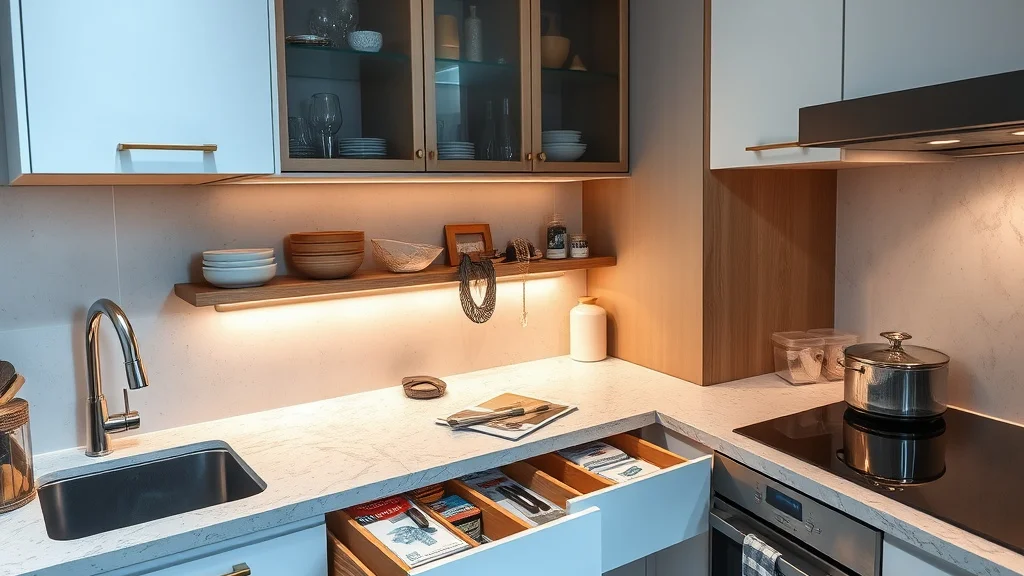
The kitchen is often considered the heart of the home, serving as a central hub for cooking, dining, and gathering. But keeping it tidy and functional can be a challenge, especially when it comes to organizing kitchen drawers. If you’ve ever wasted precious time rummaging through cluttered drawers to find the right tool or gadget, you know why efficient organization is key. Proper organization not only boosts efficiency and productivity but also enhances the kitchen’s aesthetic appeal. In this article, you’ll discover innovative kitchen drawer organization layouts that will transform chaotic culinary spaces into harmonious havens of efficiency. Whether you’re a seasoned chef or a casual cook, the following insights are sure to inspire transformative changes in your kitchen.
Understanding Your Storage Needs
Before diving into organizing your kitchen drawers, it’s crucial to assess your storage needs. Consider the type of cookware, gadgets, and utensils you have. Do you need space for small items like flatware and measuring spoons, or larger tools like rolling pins and spatulas? Break down your needs into categories:
- Flatware and Utensils: For everyday dining essentials.
- Cooking Tools: Items like ladles, tongs, and whisks.
- Specialty Gadgets: Think garlic press, apple corer, or zester.
- Measuring Equipment: Cups, spoons, and other baking tools.
- Miscellaneous Items: Kitchen shears, aprons, etc.
Maximizing Space with Drawer Inserts
One of the most effective ways to enhance drawer organization is by employing drawer inserts. These are customized to compartmentalize space, accommodating various utensils and tools efficiently. Inserts come in materials such as wood, plastic, and metal, allowing you to choose based on durability and aesthetics:
- Wood Inserts: Offer durability and a classic look, perfect for heavy-duty use.
- Plastic Inserts: Cost-effective and easy to clean, ideal for everyday use.
- Metal Inserts: Provide a sleek, modern appearance, suitable for contemporary kitchens.
Custom vs. Adjustable Inserts: Which is Right for You?
When it comes to drawer inserts, you have the option to choose between custom and adjustable solutions. Understanding the pros and cons of each will help you determine the best fit for your kitchen needs.
| Feature | Custom Inserts | Adjustable Inserts |
|---|---|---|
| Fit | Tailored to the exact size of your drawer. | Can be adjusted to fit various sizes. |
| Flexibility | Limited once installed, specific to current layout. | Versatile and can accommodate changing needs. |
| Cost | Generally more expensive due to customization. | Less expensive and widely available. |
| Aesthetic | Matches perfectly with the interior of the drawer. | May not have a perfect fit or seamless look. |
Lining Your Drawers
Protect your drawers from damage and enhance their appearance by using liners. Drawer liners not only keep your belongings secure but also absorb minor spills, protecting the surface from stains:
- Cork Liners: Eco-friendly, provide cushioning, and resist moisture.
- Rubber Liners: Prevent items from sliding and are easy to clean.
- Fabric Liners: Provide a decorative touch and can be machine-washed.
Utilizing Vertical Space
While horizontal space in drawers is limited, vertical space can often be an untapped resource. By stacking items or using inserts with multiple tiers, you can maximize your storage capabilities:
- Tiered Inserts: Allow for additional layers within the drawer. Excellent for spices and small gadgetry.
- Drawer Dividers: Enable vertical stacking without obstruction, ideal for lids and stacked bowls.
Specialty Drawers for Specific Needs
If your kitchen tasks are highly specific or you use particular tools frequently, creating specialty drawers can be incredibly beneficial. Consider drawers for:
- Knife Storage: Built-in knife blocks ensure safety and easy access.
- Baking Essentials: Separate drawer containing baking sheets, cupcake liners, cookie cutters, etc.
- Spice Drawers: Designed with angled trays for spice jars, enabling quick identification and access.
Drawers with a Junk Drawer
While maintaining an organized kitchen, it’s still practical to have a designated junk drawer. It’s a central location for miscellaneous items that don’t fit into other categories:
- Restrict it to one drawer to prevent spread.
- Periodically audit the contents to avoid clutter.
- Use small containers or dividers to maintain order within the drawer.
Incorporating Labels
To streamline the process of locating items within your drawers, incorporate labeling. This practice reduces the time spent searching for items and makes it easier for others to help in the kitchen:
- Sticky Labels: Quick and easy solution for temporary labeling.
- Embossed Labels: Durable and provide a high-end look.
- Chalkboard Labels: Allow for continuous updating and rejuvenation.
The Role of Minimalism
A minimalist approach to kitchen drawer organization involves reducing clutter and keeping only essential items. This tactic not only frees up space but also promotes a cleaner aesthetic: Check prices on Amazon
- Less is More: Keep only what’s necessary for your cooking habits.
- Declutter Regularly: Regular audits prevent accumulation of unnecessary items.
- Sleek Design: Minimalism offers a modern and chic atmosphere.
DIY Solutions for a Personal Touch
If you’re handy or enjoy crafting, creating personalized DIY drawer organizers can be a rewarding option. Tailor-made solutions provide a perfect fit and personalized touch to your kitchen:
- Repurpose Materials: Utilize old boxes or containers and upcycle them as organizers.
- Custom Build: Craft wooden dividers to perfectly fit your unique needs.
- Paint and Decorate: Add a splash of personality with color or designs.
Frequently Asked Questions
How do I decide what goes in each drawer?
Consider grouping similar items together by function: cooking utensils, dishware, and specialized tools. Prioritize easy access to frequently used items.
How often should I reorganize my drawers?
Conduct a thorough reorganization at least twice a year to prevent clutter build-up and ensure optimal layout efficiency.
What should I do with oversized kitchen tools?
For bulky items, consider vertical storage solutions or relegate these to deeper drawers or nearby cabinets where space allows.
Are drawer liners necessary?
Though not essential, drawer liners do provide added protection, prevent sliding, and can spruce up the look of your drawers.
How can I make my kitchen drawers child-friendly?
Opt for soft-close mechanisms, keep hazardous items out of reach, and use labels or pictures to help children identify items.
What’s the best way to store spices in drawers?
Utilize angled drawer spice racks, allowing for clear visibility of labels and easy access.
How can I minimize noise from clanging items?
Consider using sound-dampening liners or inserts that create compartments, minimizing movement and noise.
Can I use shelf organizers in drawers?
Yes, many shelf organizers can be adapted for drawers to add levels or additional compartments for enhanced space utilization.
Final Thoughts
Effective kitchen drawer organization involves understanding your specific needs and selecting solutions that cater to those requirements. By implementing strategic layouts, utilizing tools like inserts and liners, and embracing a minimalist mindset, you can significantly enhance both the functionality and appearance of your kitchen. These organized spaces will not only improve your cooking experience but also foster a more inviting environment for family and guests. As you embark on this organizational journey, embrace creativity, evaluate frequently, and don’t be afraid to adapt to changing needs for a kitchen that works best for you.
