

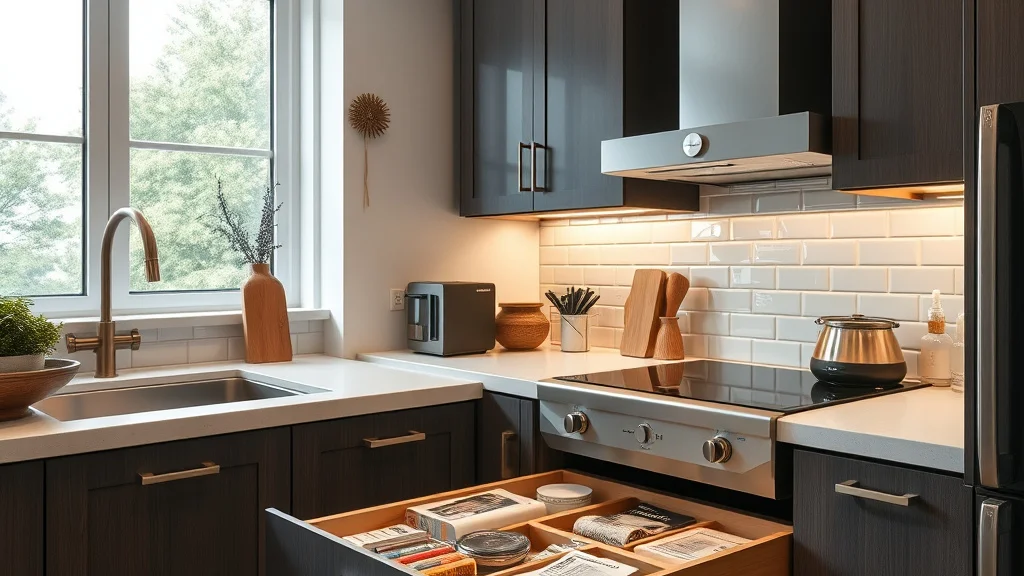
The kitchen is often considered the heart of the home, a bustling space where delicious meals and cherished memories are created. However, it’s easy for kitchen drawers to become cluttered and chaotic, making it difficult to find what you need when you need it. Proper organization is key to ensuring your kitchen remains a functional and pleasant space. This kitchen drawer organization guide will provide you with detailed strategies and tips for maintaining an efficient, tidy kitchen. Whether you’re looking to maximize small spaces or simply want a refresh to streamline your kitchen operations, this guide is for you.
Understanding Your Needs
Before diving into organizing your kitchen drawers, it’s crucial to assess what you need from your kitchen. Consider your cooking habits, the frequency of your kitchen usage, and the types of meals you most commonly prepare. Ask yourself questions such as:
- Do you need easy access to specific utensils or gadgets?
- Are there items you rarely use that could be stored elsewhere?
- Which cookware and utensils are essential to have on hand?
Answering these questions can help tailor your organization efforts to fit your unique kitchen needs, ensuring an efficient workspace.
Decluttering First
Before organizing, it’s essential to declutter your kitchen drawers. Start by taking everything out and sorting items into categories. Be ruthless in eliminating duplicates and items you never use. Follow these simple steps:
- Sort your items into categories (e.g., tools, utensils, gadgets).
- Identify and remove duplicates and items you rarely use.
- Consider donating or recycling items that are in good condition but no longer serve your needs.
By decluttering first, you can better assess the available space and determine the most efficient way to organize your drawers.
Drawer Insert Options
To effectively organize kitchen drawers, consider investing in drawer inserts or dividers. There are two main types to choose from:
- Adjustable Dividers: These allow you to customize your drawer layout based on the size and shape of your utensils and tools.
- Molded Trays: Typically designed for specific items, such as cutlery or knives, these trays help keep items in place and can provide a more tailored fit.
| Feature | Adjustable Dividers | Molded Trays |
|---|---|---|
| Customizability | High | Low |
| Ease of Installation | Moderate | Easy |
| Versatility | Great for various items | Good for specific items |
Both options can significantly improve drawer organization, so choose the one that best suits your needs and kitchen items.
Grouping Similar Items
A fundamental principle of kitchen organization is grouping similar items together. This method makes it easier to locate what you need quickly and can prevent a jumbled mess over time. Consider the following groupings:
- Place cooking tools, like spatulas and ladles, together.
- Group measuring cups and spoons in the same area.
- Designate a drawer for cutlery and related items like chopsticks or butter knives.
By grouping similar items, you’ll create an intuitive system that simplifies cooking and meal preparation.
Utilizing Vertical Space
Often overlooked, vertical space in drawers can provide valuable organizational benefits. Consider using small rack inserts or tiered trays to create layers within a single drawer. This strategy is particularly useful for:
- Storing lids separately from pots and pans.
- Stacking bowls, plates, or cups efficiently.
- Keeping spices in compact, tiered racks within drawers.
Utilizing vertical space can maximize your drawer capacity without overcrowding your kitchen.
Labeling and Clear Containers
Labels and clear containers can be some of your best allies in maintaining a tidy kitchen. Labels make it easy for everyone in the household to know where items belong, especially if you frequently have guests helping in the kitchen. Clear containers are perfect for:
- Storing pantry items like flour, sugar, and pasta.
- Grouping smaller items such as cookie cutters or baking tools.
- Allowing a quick visual check of inventory levels.
These tools contribute significantly to both organization and aesthetics, keeping your kitchen both functional and visually appealing.
Specialty Drawers
Consider dedicating one or more drawers to specialty items if space allows. For instance, a baking drawer can hold cookie cutters, rolling pins, and measuring cups, while a kids’ drawer could store child-safe utensils and recipes for little chefs. Such specialized drawers can make cooking experiences more efficient and enjoyable.
Maintaining Organization
Once organized, the key is to maintain order consistently over time. Set aside time weekly or monthly to reassess your drawer organization and make adjustments as needed. Follow these maintenance tips: Check prices on Amazon
- Regularly clean drawers to remove crumbs and dust.
- Periodically declutter items that accumulate over time.
- Reevaluate organizational tools to ensure they still meet your needs.
By maintaining organization, you’ll ensure that your kitchen remains a stress-free and efficient environment.
Implementing a Rotation System
Consider implementing a rotation system for items you use less frequently. For instance, seasonal items like cookie cutters or grilling tools might be stored at the back and rotated to the front when needed. This system offers the following benefits:
- Keeps frequently used items accessible.
- Minimizes unused clutter in prime drawer space.
- Encourages evaluation and potential decluttering.
Rotating items as needed throughout the year is an adaptable method for maximizing drawer space and utility.
Optimizing for Small Kitchens
Smaller kitchens require more creative solutions for drawer organization. Consider the following approaches specific to small spaces:
- Use multi-purpose tools to cut down on clutter.
- Consider hanging some items or using magnet strips on walls if drawer space is extremely limited.
- Keep only essentials in drawers, with overflow items stored elsewhere if necessary.
These strategies ensure that a small kitchen remains a high-functioning space without feeling cramped or cluttered.
Frequently Asked Questions
How often should I reorganize my kitchen drawers?
Reorganize your kitchen drawers as needed, but a good rule of thumb is to do a thorough reorganization every six months. This frequency allows you to address any rising clutter and adjust the organization system based on your evolving needs.
What should I do if my kitchen drawers are too small?
If your kitchen drawers are small or limited, focus on decluttering and prioritizing essential items. Use drawer inserts to maximize what space you have, and consider external solutions like wall-mounted storage or mobile kitchen islands for additional storage.
Is it better to store pots and pans in drawers or cabinets?
This largely depends on personal preference and kitchen layout. Drawers can be convenient for easy access, especially if they are deep enough. However, cabinets might better accommodate larger pots and pans. Consider your kitchen workflow and the ease of access to decide the best option for you.
Can I use kitchen drawer organizers in other parts of my house?
Absolutely! Kitchen drawer organizers can be used in any room that requires organization, such as bathrooms for toiletries, offices for supplies, or closets for accessories. They are versatile and adaptable tools that can help maintain order throughout the home.
How can I make deep kitchen drawers more functional?
Deep drawers can be transformed into functional spaces by using stackable containers or using dividers to create layers within the drawer. This method keeps items organized and accessible without them getting lost at the bottom of the drawer.
What are some cost-effective solutions for kitchen drawer organization?
Cost-effective solutions include using utensil trays, repurposing cereal boxes or small shipping boxes as impromptu drawer dividers, and visiting thrift stores for affordable containers and trays. Creativity can often yield effective results without significant expense.
Is it important to match drawer organization with cabinet organization?
While it’s not strictly necessary for drawer and cabinet organization to match, harmonious organization across your kitchen can help create an aesthetically pleasing and easily navigable space. Consistency in labeling and organization methods can enhance the overall efficiency of your kitchen.
What is the best way to store kitchen knives?
Knives can be stored safely and efficiently in kitchen drawers with the use of a specialized knife tray, magnetic strip, or a knife block designed to fit inside a drawer. Proper knife storage extends the life of your knives and ensures safety.
Final Thoughts
An organized kitchen drawer system not only saves time during daily cooking routines but also enhances the overall kitchen experience. The key to successful kitchen drawer organization lies in understanding your needs, using tools like dividers and trays effectively, and maintaining the system with regular check-ins. By approaching your kitchen organization with a well-thought-out strategy, you can transform your kitchen into a model of efficiency and convenience, making it a joyful space to work in each day.
