

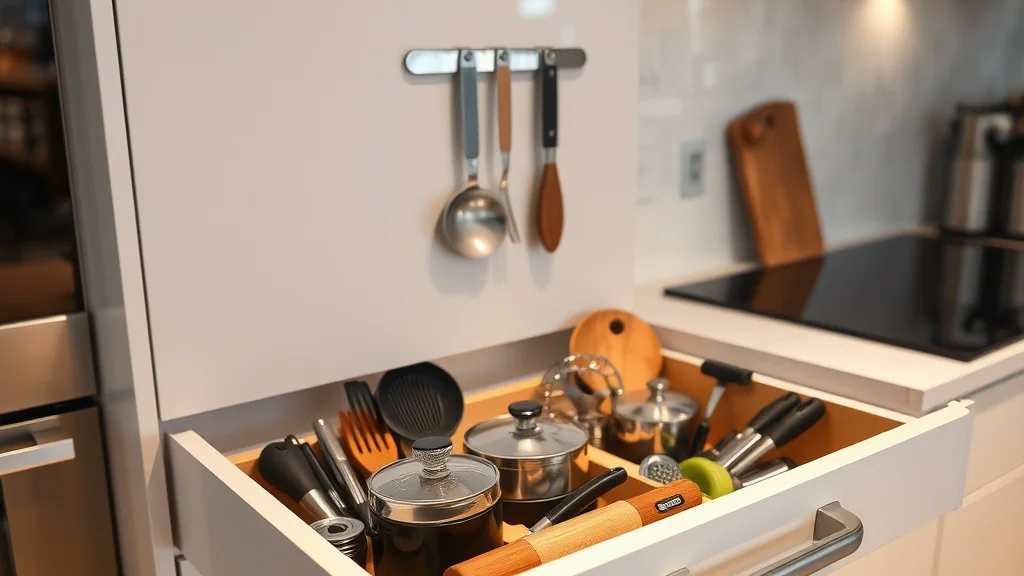
Organizing your kitchen drawers can be a transformative endeavor, unlocking a level of efficiency that can make cooking and meal prep a joy rather than a chore. Imagine opening a drawer and effortlessly finding the precise cooking tool you need, precisely when you need it. For many, cluttered and chaotic kitchen drawers epitomize household disarray, but they don’t have to. With the right strategies, you can cultivate a functional and harmonious workspace. This guide provides valuable insights and practical steps to streamline your kitchen drawer organization, focusing on optimizing your storage techniques for cooking tools.
The Importance of Kitchen Drawer Organization
A well-organized kitchen not only enhances your cooking experience but also saves you time and reduces stress faced during meal preparations. A designated place for every tool ensures that your cooking process is smooth and efficient. With organized drawers, you can focus more on the art of cooking rather than the chaos of searching for tools. Understanding how to utilize drawer space effectively is crucial, as it helps in maintaining hygiene and preserving the longevity of your cooking tools.
Common Challenges with Kitchen Drawer Organization
Organizing kitchen drawers faces numerous obstacles such as limited space, a wide variety of tools, and difficulty in accessing often-used gadgets. Many households struggle with small or oddly shaped drawers that don’t accommodate common kitchen tools easily. Overcoming these challenges involves strategic planning, knowing what tools are essential, and being willing to declutter. Addressing these hurdles equips you with a streamlined kitchen experience.
Understanding Drawer Inserts and Dividers
One of the most effective methods to organize kitchen drawers involves using inserts and dividers. These tools compartmentalize your drawer space, allowing for specialized storage and easy access to tools. Inserts come in various styles and materials, catering to different needs and preferences. Metal, plastic, and wood inserts each have their advantages, such as durability, ease of cleaning, and aesthetic appeal, respectively. The key is choosing inserts that align with the size of your drawers and your specific organizational goals.
Drawer Type Comparison
There are primarily two types of drawer systems worthy of consideration: compartmentalized system and open system.
| System Type | Key Features | Pros | Cons |
|---|---|---|---|
| Compartmentalized | Dividers/Inserts for separation |
|
|
| Open System | Single open space |
|
|
How to Select the Right Drawer System for Your Kitchen
Selecting the appropriate system for your kitchen drawers depends on your cooking habits, kitchen size, and personal preferences. For a more organized and structured drawer, especially in a bustling kitchen with limited space, a compartmentalized system is recommended. Conversely, if flexibility and handling large or irregularly shaped items are priorities, an open system might be more suitable. Consider testing both systems to determine which meets your needs.
Planning Your Drawer Layout
Embarking on a drawer organization project requires a thoughtful approach to layout. First, evaluate the current state of your drawers and categorize items by function or frequency of use. Cooking tools can be grouped into categories such as cutting utensils, mixing tools, and measuring gadgets. Mapping these groups within your drawer space concretely establishes zones for each type of tool, ensuring ease of access and efficiency.
Essential Tools for Kitchen Drawer Organization
Handy tools can greatly impact the organization of your kitchen drawers. Here is a list of essentials:
- Drawer Dividers: Help compartmentalize and prevent items from mixing.
- Utensil Trays: Specifically for cutlery and smaller items.
- Anti-Slip Mats: Prevent tools from sliding around, offering stability in the drawer.
- Expandable Organizers: Provide flexibility and adjustable storage solutions.
The efficient use of these tools helps maintain order and accessibility in your kitchen drawers.
Maintenance Tips to Keep Your Drawers Organized
Once your kitchen drawers have been organized, maintaining that order is an ongoing task. Regularly re-evaluate the contents of your drawers, especially after significant lifecycle events like a move or holiday, to ensure they remain clutter-free. Make it a habit to return every tool to its designated spot after use and consider periodic drawer clean-ups to remove any items no longer being utilized. Consistent maintenance prevents the buildup of clutter over time, ensuring a clean and tidy kitchen environment.
Maximizing Small Drawer Spaces
For those with small kitchen drawers, maximizing space becomes a priority. Focus on utilizing vertical space and consider multi-tiered drawer organizers that allow for stacking. Using custom inserts tailored specifically for small drawers can help maximize every inch available. Hanging storage solutions on the insides of cabinet doors provide additional options for small or specific tools that don’t fit well in drawers. Remember that minimalism can be an ally; always choose quality over quantity and eliminate redundant tools. Check prices on Amazon
Decluttering Techniques for Your Kitchen Tools
Decluttering is essential to maintain a streamlined kitchen space. Periodically assess cooking tools, sorting them by necessity and frequency of use. Donate or dispose of any duplicates or items that haven’t been used in the past year. Applying a one-in, one-out policy can also help maintain balance by ensuring that new tools only enter the kitchen by replacing old ones. Decluttering is an ongoing process but when approached thoughtfully, it can lead to a more organized kitchen space.
Incorporating Aesthetic Elements in Drawer Organization
While functionality is a priority, aesthetics play a vital role in drawer organization. Choose organizers and inserts that match or complement your kitchen décor. Use coordinated color schemes for a harmonious look, and consider labeling systems to enhance clarity. Beautifully arranged drawers entice the user to maintain their order and offer a visual treat that enhances the overall cooking experience.
Frequently Asked Questions
How do I decide which tools to keep in drawers?
Focus on functionality and frequency of use. Tools used daily should be easily accessible, whereas specialized tools can be stored further back or in less accessible spaces.
What if my kitchen has very limited drawer space?
Maximizing vertical storage and using wall-mounted racks or magnetic strips can augment limited drawer space. Consider kitchen caddies or mobile storage units to supplement drawer storage.
How often should I reorganize my kitchen drawers?
Regular assessments, perhaps quarterly, help maintain organization. Discard inappropriate or less frequently used items as your cooking habits and tool inventory evolve.
What materials are best for drawer inserts?
Durable materials like bamboo or metal are often praised for their longevity, whereas plastic offers cost-effectiveness and ease of cleaning. The material choice depends on your aesthetic preference and hygiene requirements.
How can I prevent my tools from sliding when opening drawers?
Anti-slip mats or liners can stabilize items, minimizing movement and reducing unnecessary noise or chaos inside the drawers.
What is a one-in, one-out policy in kitchen organization?
It’s a method for balancing kitchen inventory by ensuring that every new purchase accompanies the removal of an existing tool, preserving clutter-free drawers.
Can drawer organization impact cooking speed?
Yes, organized drawers allow for effortless tool retrieval, contributing to reduced preparation time and an overall more efficient cooking process.
How do I handle drawers that house multi-functional tools?
Categorize them by primary function or according to how frequently the multifaceted function is needed. Alternately, keep multi-functional tools in their dedicated drawer space.
Final Thoughts
Embarking on the journey of kitchen drawer organization transforms chaos into order, paving the way for a more efficient and enjoyable cooking experience. By understanding your needs and incorporating thoughtful strategies, you can enhance storage solutions that meet both functional and aesthetic criteria. Whether your kitchen is a bustling culinary hub or a sporadic epicenter for culinary creation, organized drawers will serve as allies in achieving culinary success and satisfaction.
