

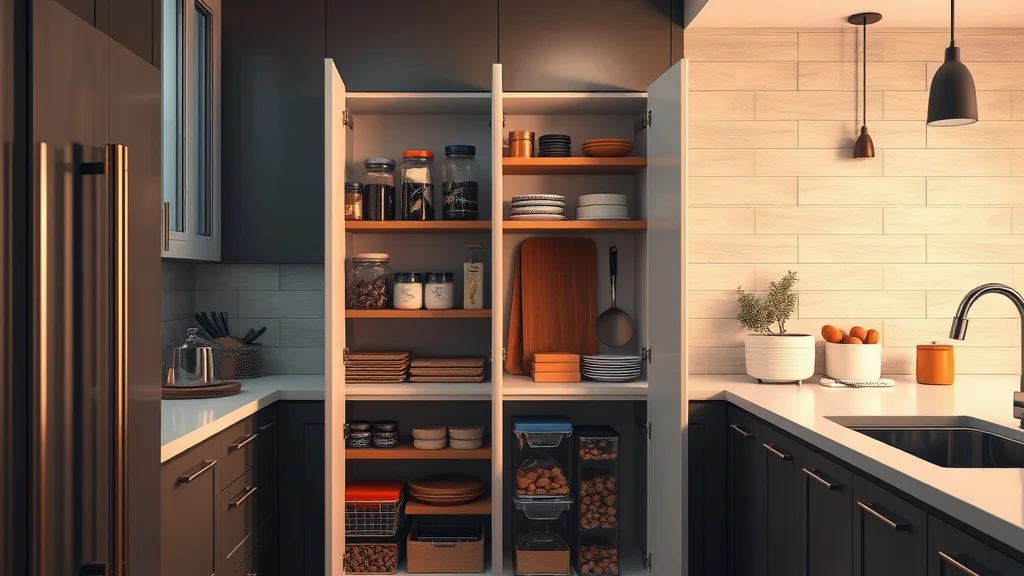
In the modern home, the kitchen often serves as the central hub of activity. From meal preparations and family gatherings to quiet cups of morning coffee, it is essential to have a well-organized kitchen cabinet pantry storage system. Not only does an organized pantry help streamline daily tasks and reduce stress, but it also maximizes space, maintains food safety, and reduces waste by keeping order and visibility. Whether you are embarking on designing a new kitchen pantry or reorganizing an existing space, this guide will provide detailed insights and practical strategies to achieve an efficient and functional pantry storage setup.
Types of Kitchen Pantry Storage
Understanding the types of pantry storage systems available is the foundation of effective kitchen organization. Primarily, kitchen pantry storage can be grouped into two main types: built-in pantries and freestanding pantries. Each type has its unique characteristics, advantages, and potential drawbacks, which we will explore in this section.
Built-in Pantry Storage Systems
A built-in pantry is integrated into the kitchen’s overall design, offering a seamless and customized storage solution. Built-in pantries vary widely in size and configuration, from full walk-in pantries to smaller cupboard-style solutions.
- Pros: Space-efficient, customized to fit your kitchen, and aesthetically pleasing.
- Cons: Often requires more extensive planning and a higher initial investment.
- Best for: Homeowners who are building or remodeling their kitchen and want a tailored solution.
Freestanding Pantry Storage
Freestanding pantry storage is a versatile solution that can be added to the kitchen without major renovations. These include pantry cabinets, shelving units, and rolling carts that can be placed strategically within the kitchen layout.
- Pros: Flexibility, often more affordable, and easily adjustable or movable.
- Cons: May not integrate seamlessly with existing cabinetry.
- Best for: Renters or homeowners looking for quick, adaptable storage solutions.
| Feature | Built-in Pantry | Freestanding Pantry |
|---|---|---|
| Customization | High | Moderate to Low |
| Flexibility | Low | High |
| Cost | Higher | Lower |
| Installation | Complex | Simple |
| Aesthetics | Seamless | Visible |
Assessing Your Pantry Needs
The first step in designing or reorganizing your kitchen pantry storage is assessing your specific needs. Understanding what you need in terms of storage space, accessibility, and functionality will guide your decisions. Consider the following:
- Inventory: What items need to be stored? Consider dry goods, spices, canned goods, appliances, etc.
- Frequency of Use: Identify which items are used daily versus occasionally.
- Space Availability: Measure the available space to ensure a good fit for your pantry system.
- Aesthetics: Consider how the pantry will blend with your existing kitchen style.
Designing Your Pantry Layout
Once your needs are assessed, it’s time to design your pantry layout. Whether opting for built-in or freestanding, a well-thought-out plan can significantly impact the pantry’s efficiency.
- Zones: Segment your pantry into zones for baking supplies, snacks, canned goods, grains, and more.
- Vertical Storage: Utilize height with tall shelves and stackable containers.
- Accessibility: Store frequently used items at eye level or within easy reach.
- Depth: Avoid overly deep shelves to prevent items from getting lost or forgotten.
Organizational Tools and Accessories
Tools and accessories can augment the functionality of your pantry. Consider incorporating the following:
- Bins and Baskets: Keep small items tidy and easily accessible.
- Clear Containers: Use airtight, clear containers for bulk items to maintain freshness and visibility.
- Door Organizers: Utilize the back of pantry doors for additional storage.
- Labels: Label shelves and containers to streamline finding and replacing items.
Optimizing Small Pantry Spaces
Small kitchens pose their own set of challenges. However, with smart organization, even the smallest pantry can function efficiently:
- Utilize Door Space: Hang racks or use door-mounted panels for spices and small items.
- Multi-use Furniture: Consider fold-down shelves or tables for additional workspace.
- Sliding or Pull-out Shelves: Maximize access in cramped spaces.
- Under-shelf Baskets: Save space by utilizing the underside of shelves.
Maintaining and Updating Your Pantry
An organized pantry is not a one-time project but an ongoing process. Regular maintenance ensures continued efficiency and freshness.
- Rotate Stock: Move older items to the front as new items are added to prevent expiration.
- Regular Cleaning: Establish a cleaning schedule to keep the pantry tidy and pest-free.
- Periodic Reevaluation: Assess and adjust your pantry setup as your needs change.
- Seasonal Cleaning: Use seasonal assessments to make necessary adjustments.
Storage Solutions for Specific Items
Not all pantry items are created equal, and various products may need differing storage solutions:
- Grains and Legumes: Store in airtight containers to prevent pests.
- Spices: Keep in a cool, dark place to maintain potency.
- Bulk Purchases: Prioritize stackable containers to organize efficiently.
- Perishable Items: If applicable, consider a small fridge for perishables that benefit from cooler temperatures.
Using Technology in Pantry Management
Technology can enhance pantry management by providing tracking and organization solutions:
- Inventory Apps: Use apps to track what you have and what you need.
- Smart Labels: Consider QR-coded labels that link to recipes or inventory lists.
- Automated Reordering: Enable auto-reordering for staples to avoid running out.
- Integration with Kitchen Appliances: Smart fridges can integrate with pantry management systems.
Common Pantry Organization Mistakes to Avoid
Understanding common pitfalls in pantry organization can steer you clear of frustration and inefficiency:
- Overcrowding: Avoid pushing storage capacity, as it reduces visibility and accessibility.
- Ignoring Expiry Dates: Regularly check and discard expired items to maintain a healthy pantry.
- One-size-fits-all Solutions: Personalize your setup to suit your specific meal prep habits and family needs.
- Lack of Regular Reevaluation: Failing to adjust your pantry setup as your lifestyle and family needs change.
Frequently Asked Questions
How do I keep my pantry pest-free?
Regular cleaning, airtight containers for dry goods, and promptly addressing spills or spoiled food can help keep your pantry free of pests. Check prices on Amazon
What are the benefits of clear storage containers?
Clear storage containers enhance visibility, make it easier to assess supply levels, and can maintain the freshness of goods.
How often should I reorganize my pantry?
A thorough reorganization every six months, with a minor review every month, is ideal for ensuring optimal pantry function.
How can I maximize storage in a small kitchen pantry?
Utilize vertical space, door storage, and multi-functional furniture to make the most of limited space.
What items should be stored at eye level?
Store frequently used items, such as daily cooking ingredients and snacks, at eye-level for easy access.
Are walk-in pantries better than cupboard pantries?
Walk-in pantries offer more space and easier accessibility, but a well-organized cupboard pantry can be just as efficient in smaller kitchens.
Can technology help in managing my pantry?
Yes, technology like inventory apps and smart storage solutions can significantly streamline pantry management.
What should I consider when labeling pantry items?
Labels should include the item name and, where applicable, expiration date. Using removable labels allows for updates as necessary.
Final Thoughts
Organizing your kitchen cabinet pantry storage is an investment in your home that pays dividends in efficiency and peace of mind. Whether you opt for a custom-built solution or a flexible, freestanding pantry setup, the key is understanding your needs, planning thoughtfully, and maintaining your system. With the right strategies and tools, you’ll transform your kitchen into a well-organized and inspiring space that enhances your culinary experiences and everyday life.
