

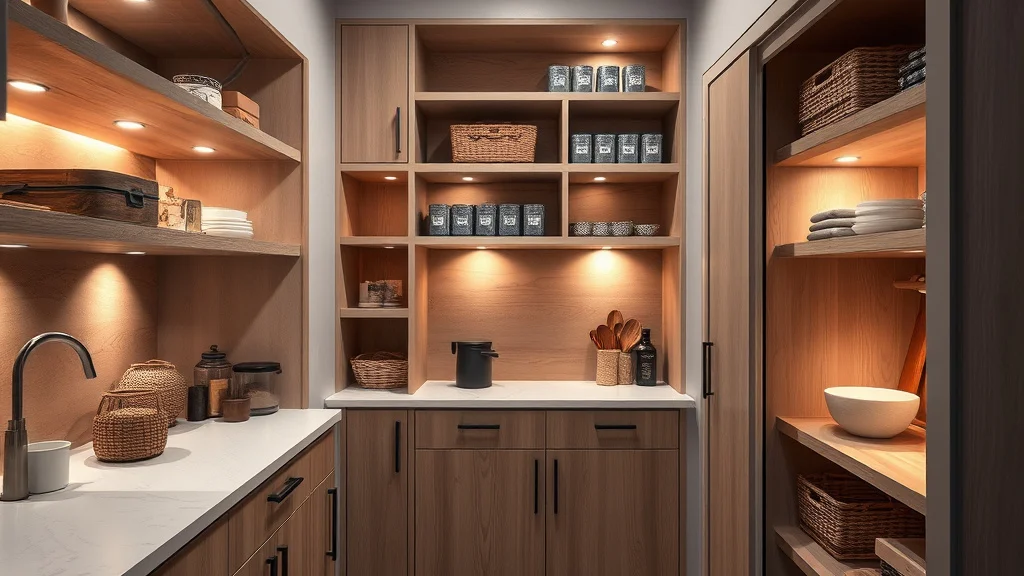
In today’s fast-paced world, maintaining an organized and efficient home can seem daunting. Yet, a well-organized home is essential to creating a peaceful and functional living space. One way to achieve this is by maximizing storage solutions, and a wood storage pantry offers a timeless, durable, and aesthetically pleasing option. By integrating a wood storage pantry into your home, you’re not only improving organization but also adding a piece of furniture that complements your home’s interior design. This article will explore different aspects of wood storage pantries, providing insights and guidance on their use for better home organization.
Advantages of Wood Storage Pantries
Wood storage pantries offer numerous benefits, making them a popular choice among homeowners. Here are some of their main advantages:
- Durability: Wood is known for its strength and longevity. A well-constructed wood pantry can last for generations with proper care.
- Aesthetic Appeal: Wood adds warmth and a classic touch to any space, seamlessly blending with various decor styles.
- Customizability: Wood can be easily customized in terms of dimensions, finishes, and design details to meet specific needs and preferences.
- Sustainability: When sourced responsibly, wood is an environmentally friendly choice, adding to the appeal of such a pantry.
Choosing the Right Type of Wood
The type of wood you choose for your storage pantry will affect its durability, appearance, and cost. Here are some commonly used types:
- Oak: Known for its strength and resilience, oak wood offers a traditional look that can withstand heavy use.
- Pine: A popular choice for its budget-friendly price and rustic charm, though it is softer and may show wear over time.
Pre-fabricated vs. Custom-built Wood Pantries
Deciding between a pre-fabricated and a custom-built wood pantry depends on factors such as budget, space, and design preferences. Below is a comparison of the two.
| Feature | Pre-fabricated Wood Pantries | Custom-built Wood Pantries |
|---|---|---|
| Cost | Generally more affordable due to mass production. | Higher cost due to customization and craftsmanship. |
| Design Flexibility | Limited designs and sizes available. | Fully customizable to match specific styles and dimensions. |
| Installation | Quicker and easier to install. | Requires more time and professional installation. |
| Materials | Standardized materials which may limit choices. | Choice of premium materials and finishes. |
Determining the Proper Size for Your Pantry
To maximize your pantry’s potential, size considerations are crucial. Here’s what you need to think about:
- Space Available: Measure your available space carefully to ensure the pantry fits perfectly without overwhelming the room.
- Storage Needs: Consider what you plan to store, from canned goods to kitchen appliances, to determine the necessary shelf space and height.
- Ease of Access: Ensure the size allows for easy access to its contents, including the ability to reach items at the back of shelves.
Incorporating Functional Design Elements
A functional pantry is more than just shelves within a cabinet. Incorporating smart design elements can greatly enhance practicality:
- Adjustable Shelves: Allows for storage of items of various sizes and can be easily reconfigured to meet changing needs.
- Pull-out Drawers: Provides easy access to contents and reduces the need to reach into deep shelves.
- Door Racks: Utilize the back of pantry doors for additional storage of small items or spices.
Integrating Aesthetic Enhancements
While functionality is key, your pantry can also enhance your home’s aesthetic. Consider the following:
- Finish and Color: Choose a wood finish or paint that complements the surrounding decor, creating a cohesive look.
- Decorative Hardware: Selecting stylish knobs and handles can add a touch of elegance or modernity to your pantry.
- Lighting: Adding interior lighting can make contents visible and add a soft ambiance to the space.
Maintaining Your Wood Pantry
Maintaining your wood pantry is crucial to ensuring its durability and lasting beauty. Follow these tips:
- Regular Cleaning: Dust and clean surfaces regularly with a soft cloth to prevent buildup that can scratch the wood.
- Proper Ventilation: Ensure the pantry has adequate air circulation to prevent mold or mildew on stored foods.
- Protection from Moisture: Use coasters or mats under wet items to protect the wood from water damage.
How to Organize Your Pantry Efficiently
Organization is key to maximizing the utility of your wood pantry. Here’s how to do it effectively:
- Categorization: Group similar items together, such as baking supplies or canned goods, to streamline meal preparation.
- Labeling: Use clear labels to identify contents and make locating items quick and easy.
- FIFO Method: Utilize the First In, First Out method to keep track of expiration dates and minimize waste.
Common Mistakes to Avoid
When using a wood pantry, avoid these common pitfalls to ensure optimal functionality:
- Overloading Shelves: Exceeding weight limits can damage or warp shelves.
- Overstocking: While storage is important, avoid overcrowding; it reduces accessibility and encourages clutter.
- Ignoring Expansion Needs: Anticipate future storage needs during the planning phase to avoid cramped conditions.
Budget Considerations
While a wood pantry can be an investment, there are ways to manage costs effectively:
- Material Selection: Opt for a balance between cost and quality; choose durable but affordable wood.
- DIY Elements: If inclined, consider building or assembling parts of the pantry to save on labor costs.
- Smart Shopping: Look for sales or consider purchasing second-hand furniture that can be refurbished or repurposed.
Frequently Asked Questions
What are the best wood materials for a pantry?
The best wood materials are often oak for durability, cherry for a rich appearance, and pine for a more budget-friendly option. Check prices on Amazon
How do I prevent pests in my wood pantry?
Ensure your pantry is clean and dry; use airtight containers for food storage and check regularly for any signs of infestation.
Can I paint my wood pantry?
Yes, painting your wood pantry can enhance its appearance and is a great way to customize its look. Use quality paint suitable for wood surfaces.
Is a wood pantry suitable for small kitchens?
A wood pantry can be suitable for small kitchens if designed to maximize vertical space and incorporates space-efficient features like pull-out shelves.
How do I clean a wood pantry?
Use a soft cloth and gentle wood cleaner regularly to keep your wood pantry clean. Avoid harsh chemicals that can damage the finish.
Should I choose a pre-fabricated or custom-built pantry?
The choice depends on your budget, space requirements, and specific design preferences. Custom-built offers more flexibility, while pre-fabricated is often more cost-effective.
Can I install a wood pantry on my own?
Basic pre-fabricated models can often be installed by the homeowner, but custom-built pantries typically require professional installation.
What features should I include in my pantry design?
Include features such as adjustable shelving, pull-out drawers, and door racks for maximum flexibility and efficient storage.
Final Thoughts
A wood storage pantry is an excellent investment for any home, providing both functionality and style. Whether you choose a pre-fabricated or custom-built option, the key lies in selecting the right materials, designing for efficiency, and maintaining it properly. By following the guidelines outlined in this article, you can ensure that your pantry not only meets your current organizational needs but also adapts to future changes. With thoughtful planning and execution, a wood pantry can transform your kitchen into a well-organized and inviting space that you and your family will enjoy using every day.
