

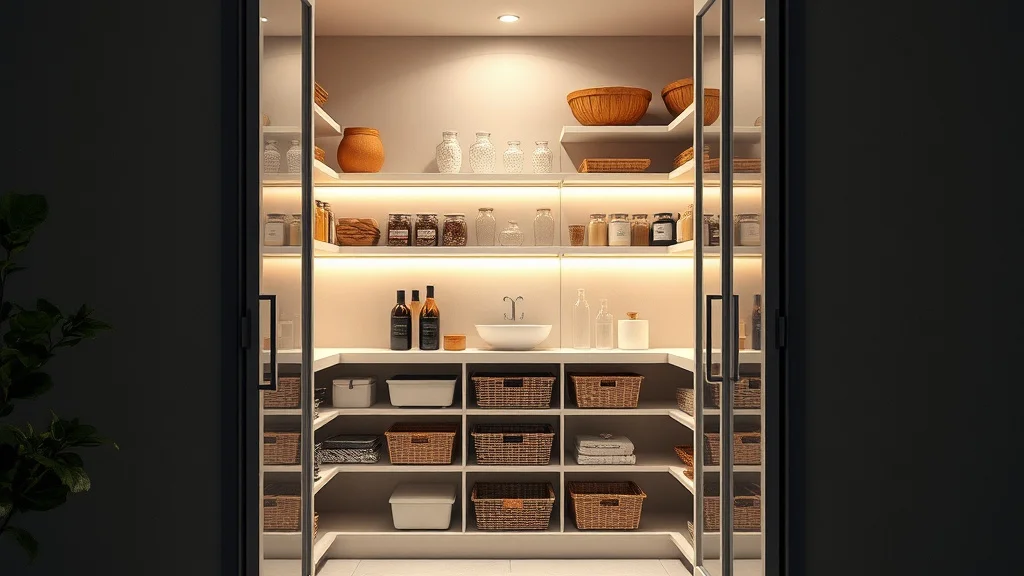
Storage pantries have become an indispensable part of modern homes due to the need for efficient organization. Whether you’re managing a bustling household or just looking for a way to maximize your kitchen’s capability, a well-organized storage pantry is essential. But with so many different types available, it can be overwhelming to figure out which one suits your needs. In this guide, we will explore the various aspects of a storage pantry, offering a comprehensive look at how to best utilize these spaces to achieve seamless organization and efficiency in your home.
Understanding Pantry Types
Storage pantries come in different configurations, each designed to meet specific storage requirements. Before diving into organizational strategies, it’s essential to identify the most suitable pantry type for your needs. The two main types of pantries include freestanding and built-in pantries. Freestanding pantries are versatile and can be moved as needed, whereas built-in pantries offer a more permanent and cohesive look in your kitchen. Each type has its advantages and unique features, which we will explore in detail.
Freestanding Pantries
Freestanding pantries are standalone units that you can place anywhere in your kitchen. They’re ideal for those who may not have the option to install a built-in pantry or for anyone who prefers flexibility in their kitchen layout. These units come in various sizes, so you can select one according to your space and storage needs. The primary advantage of a freestanding pantry is its mobility. You can relocate it to optimize your kitchen’s flow, which is especially beneficial when rearranging your home layout or during a move.
Built-In Pantries
Built-in pantries offer a seamless integration into your kitchen’s design. These are custom or semi-custom installations that utilize existing cabinetry and wall space. They provide a cohesive look and are tailored to fit your specific storage requirements. The primary advantage of a built-in pantry is the additional storage it provides without taking up extra floor space. They’re an excellent solution if you have a well-established kitchen layout and don’t anticipate needing to move storage around.
| Freestanding Pantries | Built-In Pantries | |
|---|---|---|
| Mobility | Highly Mobile | Fixed Installation |
| Customization | Limited Customization | Highly Customizable |
| Installation | No Installation Needed | Requires Installation |
| Cost | Usually Less Expensive | Potentially More Expensive |
Maximizing Storage Space
Regardless of the type of pantry you choose, maximizing storage space is crucial. Begin by categorizing your items to ensure that similar items are stored together. Use clear containers or bins to maintain visibility and quick access. Label these containers for easier identification. Consider adjustable shelving, as it can be rearranged to accommodate items of different heights. By making full use of vertical space, you can greatly increase your storage capacity.
Effective Use of Shelving
Shelving is at the heart of any storage pantry. To maximize its effectiveness, it’s important to recognize the potential of every shelf in your pantry. Shelf risers or dividers can be used to create additional layers within tall shelves. This is particularly useful for items like canned goods and jars. For items you use frequently, place them at eye level for quick access. Reserve the highest shelves for less frequently used items.
Utilizing Door Storage
Pantry doors are often overlooked but can provide valuable additional storage space. Adding shallow shelves or door racks can house items like spices, small jars, or even cleaning supplies. This is a great way to utilize otherwise wasted space. Magnetic strips can also be attached to the inside of the pantry door for holding metallic items like spice tins, providing quick and easy access.
Organizing Small Pantry Items
Small pantry items, such as spices and baking supplies, can easily clutter a pantry if not organized properly. Use tiered shelf organizers or spice racks to keep spices visible and accessible. Consider using small bins or baskets for baking supplies and ingredients. Small items should be grouped and stored together to prevent them from getting lost amid larger pantry staples.
Incorporating Technology
For a truly modern approach to pantry organization, consider incorporating technology. Smart pantries with inventory tracking systems can notify you when supplies are running low or when items are about to expire. Barcode scanners or smartphone apps can help you manage your pantry’s inventory efficiently, ensuring you are always stocked on essentials while reducing waste from expired goods.
Keeping It Clean and Tidy
Maintaining a clean and tidy pantry is as important as organizing it. Regular cleaning helps prevent pests and ensures that your pantry remains a healthy and hygienic storage space. Make it a routine to check expiration dates and remove items that are past their prime. Wipe down shelves and bins regularly to prevent dust and spills from accumulating. A tidy pantry not only looks appealing but also enhances your overall kitchen efficiency. Check prices on Amazon
Personalizing Your Pantry
Your pantry should reflect your personal style and cooking habits. Whether you favor a minimalist design or a more eclectic setup, customize your pantry to match. Consider using decorative jars and labels that align with your kitchen’s aesthetic. Personal touches make the pantry feel like an integral part of your home rather than just a storage space.
Frequently Asked Questions
What is the best way to organize a small pantry?
Maximize vertical space with adjustable shelves, use clear bins, and employ door-mounted racks to increase storage capacity.
How often should I reorganize my pantry?
It is advisable to reorganize your pantry seasonally or whenever your storage needs change.
Can I install a built-in pantry myself?
While it’s possible, professional installation is recommended to ensure it is secure and functional.
Is it necessary to label pantry items?
Labeling helps in quick identification and organization, especially in large pantries.
How do I prevent pests in my pantry?
Regular cleaning and the use of airtight containers for food storage can help deter pests.
What items should I store in my pantry?
Store non-perishable food items, baking supplies, and kitchen essentials like paper towels in the pantry.
How can I make my pantry look more appealing?
Use decorative jars, matching containers, and cohesive labels to enhance the visual appeal.
Can I use a freestanding pantry in a small apartment?
Yes, freestanding pantries are excellent for small spaces as they can be easily relocated and don’t require installation.
Final Thoughts
Achieving a well-organized pantry is an investment in your home’s functionality and your peace of mind. Whether you choose a freestanding or built-in pantry, employing the right organizational strategies can help you make the most out of the available space. Regular maintenance will ensure that your pantry remains a tidy, accessible, and efficient part of your kitchen. Remember, the ultimate goal is a pantry that not only meets your storage needs but also complements your lifestyle and adds value to your home.
