

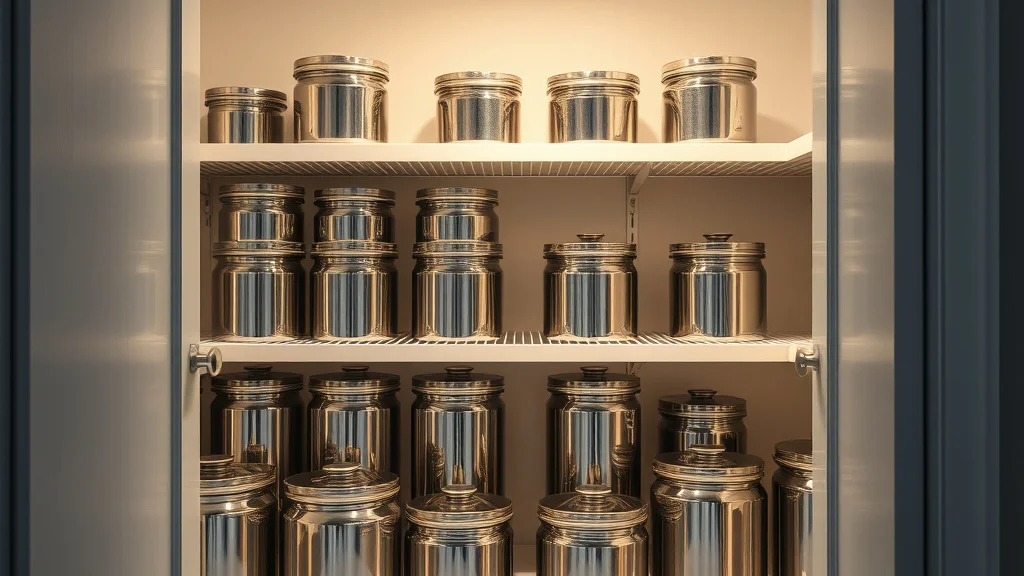
The kitchen pantry is often a nexus of chaos in homes, where perishable goods, canned items, and an array of ingredients converge. However, the power to organize this space lies in effective pantry storage solutions. One of the most efficient methods is using pantry storage cans. Not only do they keep your food fresh, but they also make organization a breeze. This article will explore how utilizing pantry storage cans can be an integral part of your kitchen organization strategy. We’ll delve into the different types of storage cans available, how to use them efficiently, and practical tips for maintaining a well-organized pantry.
The Benefits of Using Pantry Storage Cans
Pantry storage cans offer numerous advantages, making them an indispensable tool for maintaining a tidy kitchen. First and foremost, they enhance visibility, allowing you to see exactly what you have. This visibility reduces waste as it prevents over-purchasing and ensures food items are used before expiration. Additionally, storage cans protect against pests, such as ants and mice, that are naturally drawn to food debris. Not to mention, they contribute to a more aesthetically pleasing pantry by offering uniformity in storage, turning an otherwise cluttered space into an organized sanctuary.
Types of Pantry Storage Cans
When it comes to pantry storage cans, there are two primary types: plastic containers with airtight lids and metal storage cans. Plastic containers are versatile, available in varying sizes, and generally transparent, allowing easy identification of contents without opening. In contrast, metal storage cans are robust, often stackable, and offer a retro aesthetic appeal that some kitchen designs embrace. Both types have their unique advantages and limitations, as highlighted in the comparison table below.
Factors to Consider When Choosing Storage Cans
When selecting pantry storage cans, consider the following factors to ensure they meet your needs:
- Size: Ensure the containers fit your pantry shelves and the volume of food they need to store.
- Material: Decide whether plastic or metal suits your aesthetic and practical needs better.
- Sealing Mechanism: Choose airtight lids to keep foods fresh longer.
- Transparency: Opt for clear or semi-transparent options if visibility of contents is crucial for you.
| Feature | Plastic Containers | Metal Storage Cans |
|---|---|---|
| Visibility | High | Low |
| Durability | Moderate | High |
| Weight | Light | Heavy |
| Aesthetic | Modern | Retro/Vintage |
| Stackability | Varies | Generally High |
| Price | Lower | Higher |
How to Organize Your Pantry Using Storage Cans
Organizing your pantry can be a straightforward process once you have the right tools. Begin by categorizing your items. Group similar items together, such as baking supplies, snacks, and cereal. Use storage cans to consolidate these groups. Label each can to avoid confusion. Consider color-coding labels to add an extra layer of organization. Store larger, less frequently used items in the back, and keep daily essentials easily accessible.
Labeling Your Storage Cans
Labeling is key to maintaining an organized pantry. Invest in a label maker or use pre-made labels for uniformity. Ensure the labels are easily readable. Include expiration dates if possible. For a personalized touch, you might also use chalkboard paint to create writable labels directly on metal cans.
Maintenance of Pantry Storage Cans
Maintenance is crucial to extend the life of your pantry system. Regularly clean your storage cans with soapy water to prevent odor build-up. Check for expired items monthly to keep your pantry current. Inspect seals on containers periodically to ensure they remain airtight, replacing them as necessary.
Maximizing Space with Vertical Storage
One of the most effective ways to optimize pantry space is through vertical storage. Use stackable pantry storage cans to maximize shelf space. Utilize the entire height of your pantry by placing less frequently used items in higher spaces, ensuring the most accessible locations are reserved for daily-use items.
Using Clear Storage Cans for Visibility
Clear storage cans are instrumental in maintaining an organized pantry. They allow you to quickly ascertain what you have at a glance, reducing the chances of overbuying. Furthermore, they allow for easy inventory checks, essential for meal planning and shopping lists. When using opaque cans, a strategy to mimic transparency is to use visible labels with item images.
Environmental Considerations in Pantry Storage
Choosing sustainable pantry storage solutions is paramount in today’s eco-conscious society. While plastic options may offer initial affordability, consider their environmental impact. Opt for BPA-free plastics or choose metal cans that can be recycled or reused. Favor brands committed to sustainable manufacturing methods for a green pantry.
Cost-Effective Options for Every Budget
Pantry organization does not need to break the bank. For those on a budget, remain open to DIY options. Recycle old jars or tins to use as storage solutions. Invest in economy packs of storage cans to save costs in the long-run. Thrift shops and online marketplaces can also yield budget-friendly finds. Check prices on Amazon
Implementing a Seasonal Rotating System
Implementing a seasonal rotating system can keep your pantry efficient year-round. Change the items at the front of your shelves to reflect seasonal needs. For instance, bring forward mixes for soups and stews in winter, and keep lighter snacks accessible in summer. This approach maximizes freshness and minimizes waste.
Frequently Asked Questions
Can I use glass jars as pantry storage cans?
Yes, glass jars are an excellent option for pantry storage, providing visibility and aesthetic appeal. However, they are more fragile compared to plastic or metal containers.
Are metal cans safe for all food types?
While metal cans are durable, ensure they are food-safe and free from harmful coatings. Always check manufacturer guidelines for specific food items.
How often should I clean my pantry storage cans?
Ideally, clean your storage cans every month to prevent odors and buildup, more frequently if storing perishable items or rotating contents often.
What do I do if my pantry shelves are small?
In smaller pantries, opt for stackable storage cans and consider installing additional shelving to maximize vertical space.
Is there a specific sequence to organizing a pantry?
While personal preferences vary, a practical sequence is by functionality: group everyday items together, followed by food categories, then frequency of use.
What should I avoid storing in metal cans?
Avoid storing acidic foods in metal cans as they can react with the metal. Stick to storing grains, seeds, and dry goods.
Can I store opened packages in storage cans?
Yes, storage cans are ideal for storing opened packages, preventing spoilage and maintaining freshness. Ensure airtight sealing post-opening.
Do I need a specific type of label for storage cans?
Labels that are waterproof and resistant to smudging are ideal for longevity. Consider removable labels for flexibility and reusability.
Final Thoughts
Achieving and maintaining a well-organized pantry is entirely possible with the strategic use of pantry storage cans. They not only aid in systematic food management and minimalize waste but also allow for a delightful visual presentation. By selecting the right type and employing effective organizing strategies, your pantry can transform from a chaotic space into a model of efficiency and style.
