

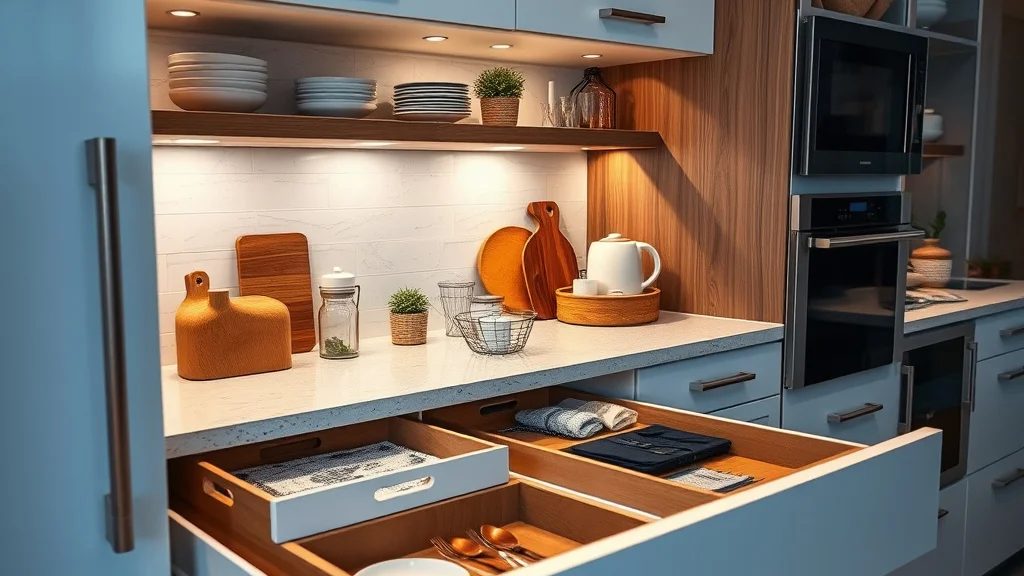
Efficiency in the kitchen often hinges on organization. The prominence of a functional and well-organized kitchen cannot be overstated, especially when it comes to managing your time and preparing meals. One of the often-overlooked aspects of kitchen organization is the interior of your drawers. The solution? Trays. They are indispensable tools for transforming chaos into order. In this article, we explore how to organize kitchen drawers using trays effectively—because a systematic kitchen is a productive kitchen.
The Importance of Organized Kitchen Drawers
A well-organized kitchen makes cooking a joy rather than a chore. With strategically placed trays in your drawers, you can significantly enhance your kitchen’s functionality. Efficient kitchen organization reduces meal prep time, eliminates the frustration of misplacing items, and ultimately contributes to a smoother workflow. Trays provide designated spaces for every utensil, tool, and gadget, ensuring that everything is within arm’s reach and easy to find.
Types of Trays for Kitchen Drawers
Understanding the types of trays available for organizing kitchen drawers is fundamental to selecting the right one for your needs. Generally, trays can be classified into adjustable trays and fixed-size trays. Adjustable trays can be customized to your preferences, offering flexibility and adaptability as your storage needs evolve. In contrast, fixed-size trays are sturdier and may be perfect for specific or less variable storage solutions.
| Type | Advantages | Considerations |
|---|---|---|
| Adjustable Trays | Flexible, customizable to drawer size; accommodates various items. | May not be as durable; could shift during use if not properly secured. |
| Fixed-Size Trays | Sturdy, reliable structure; ideal for specific item storage. | Limited flexibility; requires precise measurement before purchase. |
Selecting the Right Tray Material
Material selection is a crucial factor when organizing kitchen drawers with trays. Common materials include plastic, wood, and metal. Plastic trays are light, easy to clean, and cost-effective, offering a balance of utility and convenience. Wooden trays add a touch of elegance and align with most kitchen aesthetics, while metal trays provide durability and a modern look. Your choice should depend on factors such as budget, style preference, and the intended use of the trays.
Measuring and Sizing Your Drawers
The first step in organizing kitchen drawers with trays involves accurate measurement. This ensures that your selected trays fit snugly and optimally utilize the available space. Use a measuring tape to determine the length, width, and depth of your drawers. Account for any internal obstructions such as drawer hardware. This preparation prevents purchasing errors and ensures that the trays will aid, rather than hinder, drawer functionality.
Customizing Trays for Unique Needs
Every kitchen is unique, and sometimes a generic solution may not meet all your needs. Customizing trays offers a unique opportunity to tailor storage solutions precisely to your requirements. Consider compartments for specific utensils or gadgets and explore options that allow for temporary re-arrangements. Customizable trays, like ones with modular elements, enable you to modify the organization setup effortlessly as your kitchen needs evolve over time.
Utilizing Adjustable Trays for Versatile Storage
Adjustable trays are adaptable to changing storage needs and can accommodate various items, from cutlery to small gadgets. This flexibility makes them an excellent choice for those who frequently alter their kitchen layout. Adjustable trays can be expanded or contracted, offering a dynamic storage solution that maximizes space without compromising organization. They can easily handle seasonal changes in utensil use or growing kitchen collections.
Implementing Fixed-Size Trays for Consistency
Fixed-size trays are an ideal choice for consistency and order in kitchen drawers. These trays provide a stable structure for storing a uniform set of items, such as cutlery or measuring spoons, without needing frequent readjustments. Their sturdiness ensures that once placed, they remain in position, offering a reliable organizational solution for kitchens with standard usage patterns and predictable storage requirements.
Maintaining Clean and Tidy Trays
An organized kitchen is a clean kitchen. It’s essential to clean and tidy up your trays regularly to maintain the harmony of your kitchen environment. Wipe down trays periodically to prevent food residue build-up, and ensure they are dry before placing them back in the drawers to avoid mold and mildew. Regular cleaning keeps your kitchen hygienic and prolongs the life and functionality of the trays.
Organizing Trays by Kitchen Zones
To optimize efficiency, consider organizing trays according to kitchen zones. For instance, group trays containing cutlery and dining utensils near the preparation zone, while placing cooking utensils near the stove. This organizational strategy reduces unnecessary movement, streamlines kitchen activity, and ensures that each item is stored according to its primary function and accessibility needs.
Maximizing Space with Layered Trays
In spaces where optimizing vertical storage is critical, layered trays offer a practical solution. These trays can be stacked within deep drawers, effectively doubling storage space. Layered trays offer easy access to stored items by incorporating sliding mechanisms or removable layers. This technique is particularly useful in compact kitchen spaces where every inch of storage counts. Check prices on Amazon
Labeling for Quick and Easy Access
Labeling trays is an important aspect of maintaining organization. By providing clear indications of where specific items belong, labels facilitate quick access and return placement. Consider using water-resistant labels for longevity and visibility. A well-labeled drawer minimizes confusion and maximizes efficiency, letting anyone in the household easily find and replace items as needed.
Frequently Asked Questions
How do I choose the right size trays for my drawers?
Measure the length, width, and height of your drawers before purchasing. Consider the space needed for items you’d store in the trays.
Can I use trays in deep drawers?
Yes, you can use stackable or layered trays to maximize the vertical space within deep drawers.
Are plastic trays safe for kitchen use?
Yes, as long as they are made from food-safe materials. They are easy to clean and maintain.
How often should I clean my kitchen trays?
Regular cleaning is recommended, ideally weekly, to prevent food residue build-up and ensure hygiene.
How can I prevent trays from slipping inside drawers?
Use drawer liners or non-slip pads beneath the trays to keep them in position.
What if my storage needs change frequently?
Opt for adjustable trays as they offer flexibility and can accommodate changing requirements.
Can I make my own custom trays?
Yes, customizing trays allows you to create storage solutions specific to your needs, providing precise organization.
Why use trays instead of just organizing drawers directly?
Trays create designated compartments, making it easier to categorize and access items, and prevent drawers from becoming disorganized.
Final Thoughts
Organizing kitchen drawers with trays is an efficient way to maintain order, maximize space, and enhance kitchen functionality. By selecting the appropriate type and material, customizing according to your needs, and maintaining them regularly, trays can transform your cooking experience. Ultimately, a well-organized kitchen not only looks appealing but also increases efficiency and enjoyment in daily meal preparation.
