

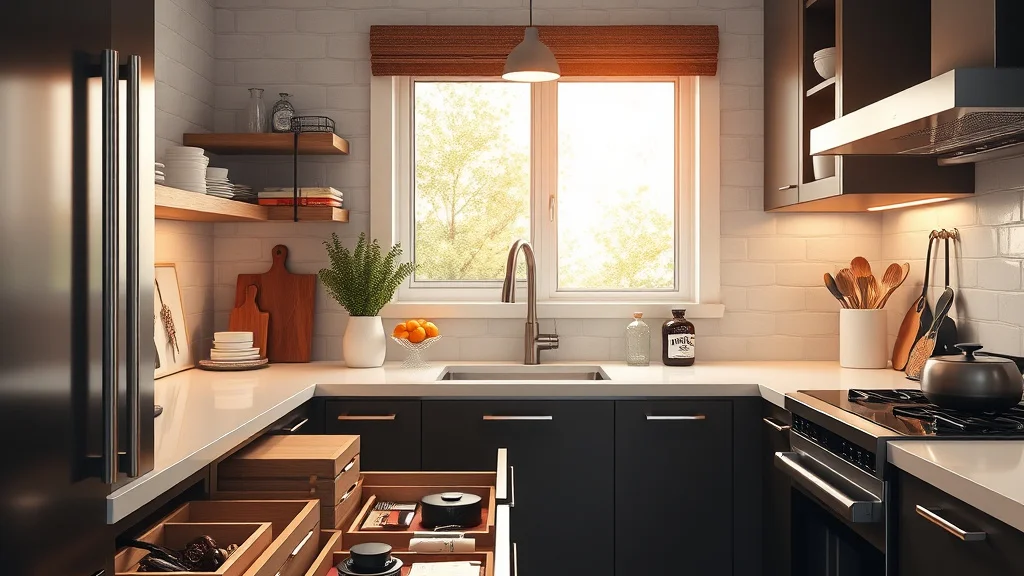
In today’s fast-paced world, having an efficient kitchen is more than just a luxury—it’s a necessity. An organized kitchen allows for a seamless flow during cooking, baking, and meal prep, enhancing your culinary experience and saving time. One of the key elements in achieving a well-run kitchen is organizing the kitchen drawers. Thoughtful arrangement of these essential storage spaces can make a huge difference in accessibility and efficiency, whether you’re a frequent cook or someone who loves to entertain. This guide provides a detailed approach to organizing your kitchen drawers effectively. By the end of this article, you’ll have the knowledge to transform your kitchen into a functional masterpiece, minimizing chaos and maximizing culinary delight.
Assessing Your Kitchen Needs
Before diving into organizing your drawers, it’s essential to assess your specific needs. Every household has different cooking habits and utensil preferences. Do you do a lot of baking, or is your focus more on quick meals? Do you have specialty gadgets that require specific storage? Start by evaluating what you have and how often you use each item.
- Take stock of all your kitchen utensils, gadgets, and tools.
- Evaluate the frequency of use and consider seasonal items.
- Consider specific storage requirements for unique or fragile items.
Understanding your needs upfront sets a clear path for organizing your space efficiently.
Drawer Categorization
Once you have a clear understanding of your inventory, the next step is categorization. Sorting items into categories makes it easier to assign specific drawers for storage, leading to a more organized flow when working in the kitchen. Common categories include:
- Cutlery: forks, knives, spoons, and specialty cutlery.
- Cooking tools: spatulas, tongs, ladles, and whisks.
- Baking utensils: measuring cups, rolling pins, pastry brushes.
- Gadgets: garlic press, vegetable peelers, can openers.
- Food wraps and storage: plastic wrap, foil, zip-lock bags.
By establishing these categories, you make it easier to find items and return them after use.
In-Drawer Organizers
Utilizing in-drawer organizers is a game-changer for maintaining order and accessibility. These inserts help divide a drawer into manageable sections, preventing clutter. Two main types of in-drawer organizers are readily available.
| Organizer Type | Features | Best For | Price Range |
|---|---|---|---|
| Adjustable Dividers | Customizable, fits various sizes | General use across multiple drawer types | $10-$30 |
| Pre-formed Trays | Specific to item shape, fixed layout | Standard items like cutlery | $5-$25 |
Zoning Your Drawers
Efficient kitchen layout heavily relies on zoning, which means grouping items based on their function and frequency of use. Strategically place drawers to match workflow patterns.
- Keep frequently used utensils in the drawers closest to your prep area.
- Store baking supplies near the oven or counter where you bake.
- Designate a junk drawer away from the main prep and cooking zone to avoid clutter.
This approach ensures that everything you need is within reach, streamlining your kitchen operations.
Safety Considerations
Proper storage enhances safety in the kitchen, preventing accidents and injuries. Prioritize how you organize sharp and heavy items.
- Keep knives and sharp tools in designated sheathes or in-drawer knife blocks.
- Store heavy pots and pans in lower drawers to prevent falling hazards.
- Avoid overfilling drawers to minimize risk of jammed or fallen drawers.
Ensuring safety through smart drawer organization means a safer cooking environment for all household members.
Seasonal and Specialty Items
Many kitchens contain items used only during specific times of the year, such as holiday cookie cutters or grilling tools. Store these items separately.
- Keep seasonal tools in labeled containers within less accessible space.
- Evaluate these specialty items annually and remove anything unused.
- Consider multifunctional tools to save space throughout the year.
Proper management of these items can help free up space for daily use essentials.
Utilizing Vertical Space
While drawers offer a perfect horizontal solution, do not overlook the potential of vertical space. Maximize drawer storage by incorporating vertical elements.
- Add pegboards or adjustable inserts to stack items vertically.
- Use shelf risers for compartmentalized storage without sacrificing accessibility.
- Consider installing soft-close drawer slides for smoother operation under added weight.
By harnessing vertical space, you can increase drawer capacity, ensuring a tidy, efficient kitchen setup.
Labeling and Identification
Labels promote efficiency by eliminating guesswork when searching for or returning items. Marking drawers serves a quick navigation system in any kitchen.
- Use clear labels or stickers with durable writing to withstand the test of time.
- Consider a label maker for a professional look.
- Update labels as your kitchen evolves with new tools or reorganized spaces.
Clear labeling accelerates meal prep and maintains an organized atmosphere in your culinary space.
Regular Maintenance and Review
Organizing kitchen drawers isn’t a one-time task. Consistent maintenance ensures longevity and functionality.
- Schedule routine checks to declutter and recalibrate drawer contents.
- Post-use drawer tidying should become a habit for kitchen users.
- Periodically reassess kitchen habits and adjust drawer setup accordingly.
Regular organization not only maintains order but also adapts to any changing needs in your culinary routine.
Check prices on Amazon
Frequently Asked Questions
How can I maximize small kitchen drawer space?
Utilize adjustable dividers and stackable trays to compartmentalize space efficiently. Consider vertical storage solutions or purging unnecessary items.
What should I do with rarely used items?
Store rarely used items in dedicated storage bins that can be placed in less accessible areas, such as upper cabinets or a basement storage box.
Are there any specific materials to avoid for in-drawer organizers?
Avoid porous materials, such as untreated wood, where moisture might accumulate. Choose materials like plastic, bamboo, or treated resin that are easy to clean.
How do I keep drawers from becoming cluttered over time?
Implement a routine organization schedule and make putting items back immediately after use a rule. Prioritize efficiency over abundance.
Is it worth investing in custom drawer organizers?
For unusual drawer sizes or unique kitchen setups, custom organizers can be beneficial for optimal space usage. For standard needs, modular organizers often suffice.
How do I handle inaccessible drawers in corner cabinets?
Consider installing drawer sliders for ease of access or leave these sections for items you rarely need to access.
What’s the best way to store spices in drawers?
Use tiered spice drawer organizers to keep all labels visible. Choose uniform spice jars to maximize space and ensure consistency.
Can I use drawer space for food storage?
Yes, draw spaces can be optimized for food storage using airtight containers to maintain freshness and organization. It’s important to keep perishables in designated drawer areas.
Final Thoughts
Organizing kitchen drawers strategically enhances efficiency, allowing for an optimal cooking environment that fosters creativity and joy in the kitchen. By assessing your needs, categorizing tools and gadgets, utilizing in-drawer organizers, and adhering to safety and seasonal considerations, you establish a sustainable organizational system. Through dedication to routine maintenance and willingness to adapt your strategy to fit evolving needs, an efficient kitchen is made achievable. The initial effort may take time, but the rewards of reduced stress and enhanced productivity make it worthwhile. Your road to a clutter-free and efficient kitchen begins today—so let’s dive in and revolutionize your space!
