

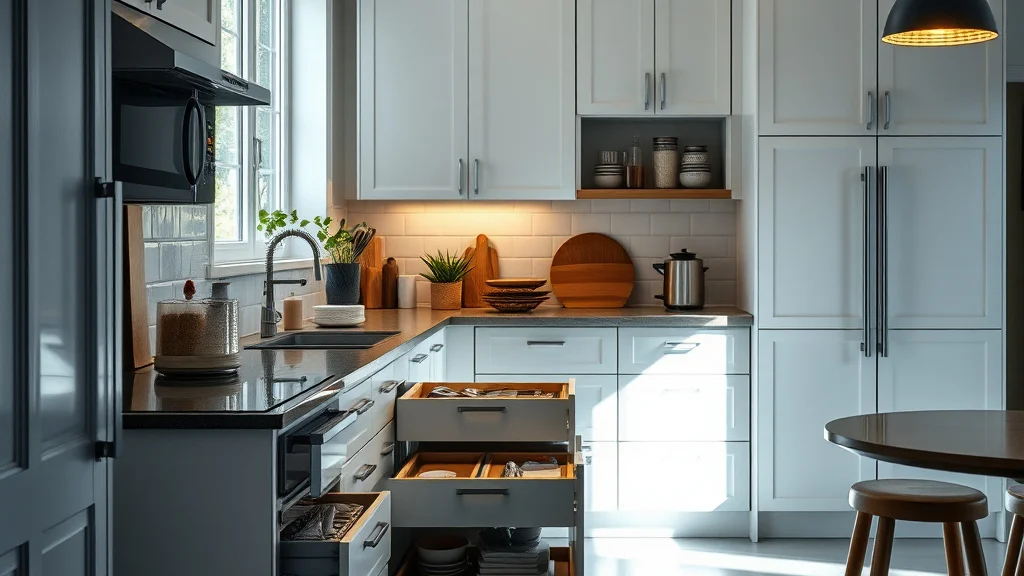
The kitchen is often referred to as the heart of the home, where culinary creations and family gatherings coalesce. However, the potential for chaos lurking in the kitchen drawers can hinder the fluidity and joy of cooking. Proper organization is key to turning your kitchen into a functional, efficient, and aesthetically pleasing space. Whether you’re a seasoned chef or an occasional cook, a well-organized kitchen drawer system can save you time, reduce stress, and even inspire culinary creativity. This guide will walk you through practical and effective strategies to transform your chaotic kitchen drawers into orderly, accessible, and efficient storage solutions.
Strategic Planning for Kitchen Drawer Organization
Before diving into the physical activity of organizing, it is crucial to develop a strategic plan. Start by assessing the current state of your kitchen drawers. Identify cluttered areas, unused items, and potential storage solutions. Reflect on your cooking habits and determine what utensils, tools, and gadgets you frequently use. This assessment will guide you in prioritizing what needs to be within easy reach and what can be stored further away.
- Inventory your kitchen tools.
- Define the purpose of each drawer.
- Set practical organizational goals, such as minimizing clutter and optimizing space.
The Art of Purging Unnecessary Items
One of the key steps in organizing kitchen drawers is purging items that you no longer use or need. This might seem daunting, but it’s vital for creating space and improving access to items you truly need. Consider items that are duplicates, damaged, or rarely used, and decide whether to donate, recycle, or discard them. A less cluttered drawer translates to more efficient use of space.
- Sort items into categories: keep, donate, discard.
- Be honest about your usage patterns and needs.
- Consider seasonal items and where they might be better stored.
Choosing the Right Drawer Organizers
Drawer organizers play a crucial role in keeping kitchen drawers neat and tidy. There are primarily two types of drawer organizers to consider: modular inserts and custom-built organizers. Each has its benefits and drawbacks, and choosing the right one depends on your specific needs and budget.
| Feature | Modular Inserts | Custom-Built Organizers |
|---|---|---|
| Flexibility | Highly flexible – can be rearranged | Limited – fixed layout |
| Cost | Generally more affordable | More expensive due to customization |
| Installation | Easy, usually do-it-yourself | May require professional installation |
| Aesthetic Appeal | Functional but less polished | Customized to match your kitchen aesthetics |
| Durability | Varies by material | Generally more durable |
Effective Strategies for Utensil Organization
Keeping your cooking utensils organized can significantly improve your cooking efficiency. Utilize drawer dividers or utensil trays to separate spoons, spatulas, whisks, and others. This not only makes finding the right tool quicker but also prevents clutter.
- Sort utensils by function and size.
- Place the most frequently used utensils at the front.
- Consider a separate drawer for specialty utensils.
Mastering Cutlery Drawer Arrangements
Cutlery drawers can quickly become chaotic if not managed properly. Investing in a high-quality cutlery tray can make a world of difference. These trays prevent items from shifting and allow for a defined space for each type of cutlery. Consider using a silverware tray that fits your drawer snugly, to segregate different types of cutlery efficiently.
- Use slots or compartments for forks, knives, and spoons.
- Organize cutlery by type and size.
- Ensure easy access to everyday cutlery.
Organizing Specialty Tools and Gadgets
Specialty tools and kitchen gadgets often end up being the primary clutter culprits. Allocate a specific drawer or section of a drawer for items like garlic presses, can openers, and measuring spoons. This not only keeps them organized but also prevents them from interfering with your go-to tools.
- Use adjustable dividers for flexible storage.
- Consider drawer depth when storing bulkier items.
- Group like items together for easy retrieval.
Partnering Drawer and Cabinet Storage
Efficient kitchen organization often involves considering how to use drawers in conjunction with cabinet storage. This strategy helps maximize your storage capacity and ensures that kitchen tools that are used together are stored together.
- Use nearby cabinets for additional storage.
- Combine drawer storage with cabinet shelves for larger items.
- Ensure cohesive and logical placement of items.
Implementing Labels and Consistency
Once you have an effective organizational system in place, maintain its efficiency through the use of labels. Labels provide a visual guide that helps everyone in the household return items to their proper home.
- Label drawers externally for a quick search.
- Use clear, simple labels that are easy to read.
- Ensure consistency in labeling across all drawers.
Regular Seasonal Checks and Maintenance
Like any organizational system, kitchen drawer organization benefits from regular check-ins and adjustments. Seasonal maintenance ensures that what’s stored continues to align with your cooking habits and needs. Check prices on Amazon
- Conduct regular purges to remove outdated items.
- Refresh organization based on seasonal cooking.
- Reassess and adjust storage solutions as necessary.
Child-Friendly Drawer Organization Practices
For households with children, kitchen drawer organization must prioritize safety and accessibility. Storing age-appropriate tools at a child-friendly height encourages independent learning, while keeping dangerous items out of reach ensures safety.
- Keep sharp objects and chemicals in top drawers.
- Store child-specific utensils where they can easily reach.
- Use tamper-proof locks for drawers with hazardous items.
Frequently Asked Questions
How often should I reorganize my kitchen drawers?
It is advisable to reorganize your kitchen drawers at least twice a year, and more frequently if your usage habits change significantly.
What are some common mistakes in kitchen drawer organization?
Common mistakes include over-stuffing drawers, not using dividers, and failing to group similar items together, leading to inefficiency and clutter.
How do I keep my kitchen drawers from getting cluttered again?
Maintain regular oversight by doing periodic purges, keeping surfaces clean, and ensuring everyone in the household knows the organizational system.
What are some budget-friendly options for kitchen drawer organizers?
Look for modular inserts made of plastic or bamboo that can be easily arranged to fit various drawer sizes without breaking the bank.
Can I use kitchen drawer space effectively in a small kitchen?
Yes, by prioritizing vertical space, using multi-layer organizers, and retaining only essential items, even small kitchen drawers can be efficiently organized.
Is there a best place to store knives in kitchen drawers?
For safety, it’s best to use a designated knife holder that fits within a drawer, keeping blades protected and preventing accidents.
How can I make kitchen drawer organization easier for the whole family?
Implement a clear labeling system, and maintain consistency in storage so that all family members can easily understand and follow the system.
Should I store my pots and pans in kitchen drawers?
Large drawers can be suitable for storing pots and pans if accompanied by proper dividers to prevent scratches and damage, but often cabinets are more practical.
Final Thoughts
Organizing kitchen drawers effectively can transform your cooking experience by enhancing efficiency and reducing frustration. By employing a systematic approach that combines strategy, regular maintenance, and the right tools, your kitchen can become a harmonious and productive space. Always remember that the best organizational system is one that evolves with your needs and fosters an enjoyable cooking environment. Invest time in creating an organized kitchen, and the benefits will undoubtedly follow, providing convenience in every culinary endeavor.
