

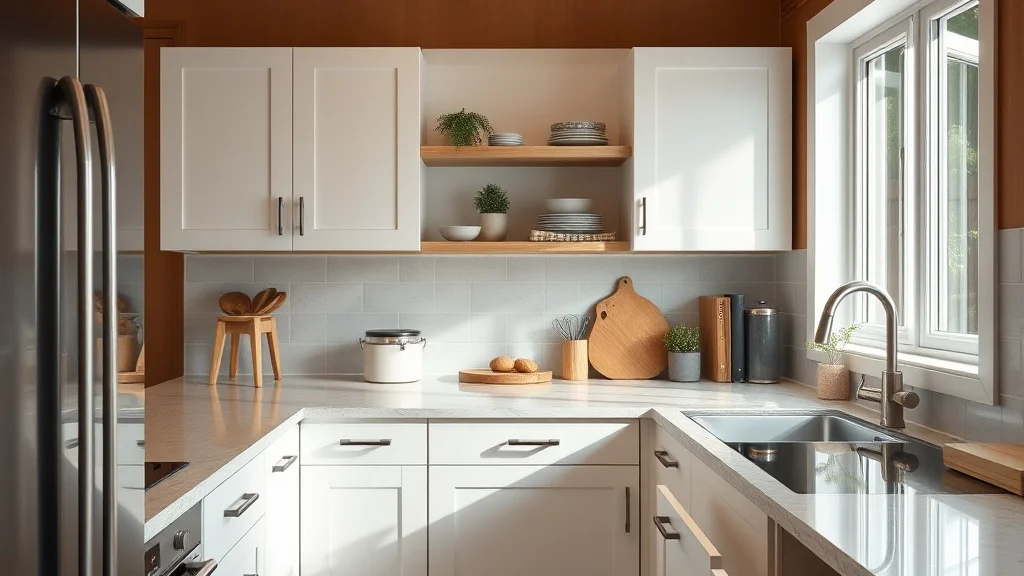
Kitchens are often the hub of our homes, places where family and friends gather, meals are prepared, and memories are made. Yet, maintaining an organized kitchen can be challenging, especially when it comes to kitchen drawers, where chaos tends to reign. From utensils jumbled together to an elusive lid that never seems to fit any container, the fight to keep drawers neat and functional is constant. An organized kitchen can save time and reduce stress, making cooking more enjoyable and efficient. This article will guide you through various strategies to organize kitchen drawers systematically and cleanly, helping transform your kitchen from a cluttered space to a streamlined oasis.
The two primary approaches to organizing kitchen drawers include minimalist solutions aimed at reducing clutter and modular storage systems designed for maximizing space. Both methods have their unique benefits and challenges, which will be explored in this article. We’ll provide detailed steps, tips, and comparisons to help you choose the best approach for your kitchen.
Assess Your Current Storage Situation
Before diving into organizing kitchen drawers, it’s essential to assess what you currently have. Start by emptying all of your kitchen drawers, laying the contents out on a large flat surface like a counter or table. This will give you a visual understanding of the tools and utensils you own.
- Remove duplicates: Often, we end up with multiple potato peelers or can openers. Decide if duplications are necessary or if they can be donated or discarded.
- Evaluate use frequency: Consider how often you use each item. Place rarely used items aside to store them in less accessible drawers or elsewhere.
- Condition check: Examine everything for wear and tear. Throw away or recycle any broken or damaged pieces.
This step helps declutter and lays the groundwork for a streamlined organizational process.
Choose Your Organization Style
Choosing an organizational style tailored to your habits can make maintaining order easier. Do you thrive on minimalist environments, or do you need a place for every single gadget and tool? Here, we dive into two popular styles: minimalism and modular storage systems.
Minimalist Organization
The minimalist approach involves reducing items down to essentials. This method is perfect for those who like a clean, uncluttered look and wish to embrace simplicity.
- Keep only what’s necessary: This method thrives on the principle of less is more. Keep only the essentials and frequently used items in your kitchen drawers.
- Streamline categories: Group items into general categories to reduce the number of organizers needed.
- Clean surfaces: Free the drawer surfaces from unnecessary items to facilitate easy cleaning and less visual distraction.
Modular Storage System
For those who love everything to have its place, modular systems with square or rectangular compartments allow for customizable configurations.
- Flexible dividers: Purchase adjustable drawer dividers or bins that can be moved according to your needs.
- Layered storage: Use stacking solutions to increase capacity and optimize drawer space vertically.
- Customizable layout: Modify the arrangement as your needs change, ensuring long-term functionality.
| Minimalist Organization | Modular Storage System |
|---|---|
| Reduces clutter | Maximizes space |
| Encourages simplicity | Offers flexibility |
| Easy maintenance | Customizable and adaptable |
| Cost-effective | Potentially higher investment |
Categorize and Group Effectively
Once you have determined your organizational style, the next step is categorizing and grouping your items. Consider how often you use kitchen items and their utility to your daily routines.
- Utensils: Keep everyday utensils like forks, knives, and spoons grouped and close to the stove or dining area for easy access.
- Cooking tools: Such as spatulas, tongs, or egg beaters, should be placed near your main cooking area.
- Specialized gadgets: Seldom-used or specialized gadgets like cherry pitters can be stored further back or in less prominent locations.
- Baking supplies: Group these together and store them in drawers close to where you typically prepare baked goods.
Divide and Conquer with Drawer Inserts
Drawer inserts are the backbone of a well-organized kitchen drawer, allowing for segregation of different categories of items. Various materials and sizes can suit different preferences and budgets.
- Bamboo or wood inserts: These are aesthetically pleasing and durable, suitable for a more natural look.
- Plastic dividers: Often adjustable, representing a budget-friendly and versatile option.
- Metal components: Provide a sleek appearance and are very robust, ideal for contemporary kitchens.
Select inserts based on the items you need to store and the drawer’s dimensions. This step is key to creating a long-term organizational solution.
Maximize Space with Vertical Solutions
The horizontal space in drawers is limited, but vertical space can often be underutilized. Implementing vertical solutions can further enhance drawer storage capacity.
- Stacking containers: Use containers with lids for dry goods; the lids allow them to be neatly stacked.
- Tall items: Store items vertically when possible, such as knife blocks or wine bottle racks.
- Hanging elements: Consider drawer systems with incorporated hangers for tools like knives or tongs, which can be used for easy access and storage.
Implementing a Labeling System
To ensure your organized kitchen drawers remain that way, implementing a labeling system can provide long-term clarity, particularly in family settings. Check prices on Amazon
- Label categories: Use labels on the inside front of the drawer for easy identification without cluttering the exterior.
- Clear labeling: Choose clear, concise labeling which can easily be read and understood by all members of the household.
- Aesthetic considerations: Use labels that fit the aesthetic of your kitchen (blackboard labels, printed labels, etc.).
Regular Maintenance
Maintaining an organized kitchen isn’t just about setting up; it’s about maintaining and adapting as needed. Regular maintenance is essential for long-term organization.
- Weekly clearing: Spend a few minutes once a week checking and reorganizing as necessary.
- Seasonal deep clean: Every few months, perform a more in-depth clean to catch spills, crumbs, or items that are no longer used.
- Adapting to change: Life changes (new family member, dietary changes, etc.) might require you to reassess your organizational system.
Technology and Gadgets to Consider
In today’s digital age, incorporating technology to help keep your kitchen organized can be beneficial. Even something as simple as a well-placed charging station can keep devices like recipe tablets ready for use during cooking.
- Charging drawers: Include outlets or USB ports inside certain drawers to keep devices powered and out of sight.
- App-based inventory management: Use apps to manage pantry or ingredient inventories to remove excess items.
Sustainability Measures
Incorporate sustainable practices into your kitchen organization efforts to contribute to environmental conservation.
- Recycling: Set up a clear system for sorting recyclable materials directly in a drawer.
- Reuse and repurpose: Consider repurposing old drawer components or bins for new storage needs.
- Material selection: Choose sustainable materials such as bamboo inserts to reduce your ecological footprint.
Frequently Asked Questions
How often should I reorganize my kitchen drawers?
While there is no hard and fast rule, a general guideline is to evaluate your kitchen organization twice a year, adjusting for any significant lifestyle changes.
What are some affordable organizational tools?
Affordable options include plastic bins, DIY dividers using cardboard, and repurposing containers you already own.
Can I use kitchen drawer organizers for other parts of the house?
Yes, many drawer organizers are versatile and can be adapted for use in home offices, bathrooms, and hobby rooms.
What’s the best way to organize utensils?
Utensils are best organized by type within sortable sections of a drawer, keeping frequently used ones towards the front.
How do I deal with oddly shaped items?
Items that don’t fit standard setups are best managed with adjustable modular configurations or custom inserts.
Are there specific health considerations I should take into account while organizing kitchen drawers?
Ensure that cleaning supplies or sharp objects are stored safely and, where necessary, consider child-proofing these drawers.
What are eco-friendly options for drawer organizers?
Eco-friendly options include organizers made from recycled materials or sustainable resources like bamboo.
How do I make small kitchen drawers more useful?
Small kitchen drawers can be enhanced by using multi-level organizers or stacking inserts to make use of the vertical space.
Final Thoughts
Transforming your kitchen drawers from cluttered chaos to a haven of orderliness improves not just the aesthetics of your kitchen, but also your day-to-day functionality and efficiency. Whether you prefer a minimalist outlook or a modular storage system, the organization can truly enhance your kitchen experience. Remember to reassess regularly, adapt your systems as necessary, and enjoy the seamless cooking environment you’ve created.
