

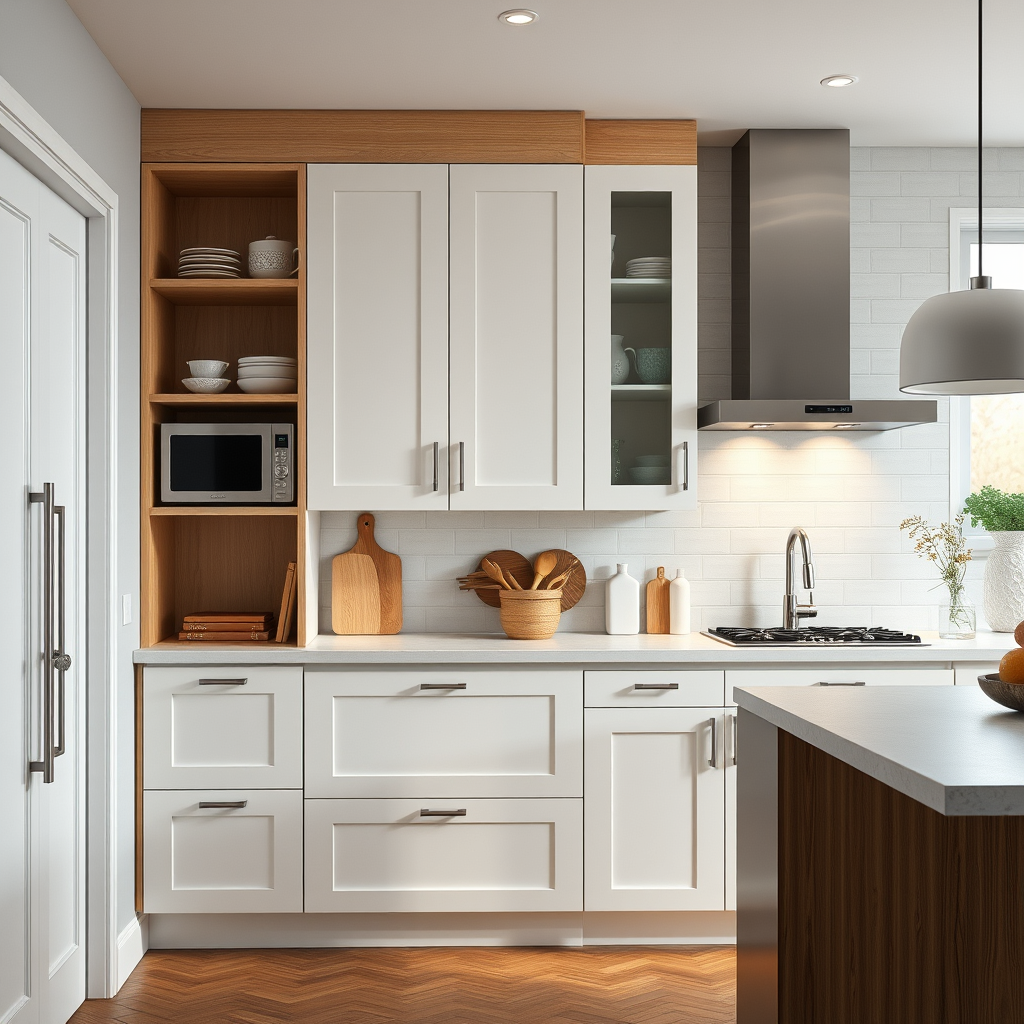
Building your own kitchen storage cabinet can be an incredibly rewarding project that not only enhances your space but also provides the satisfaction of knowing you created something both functional and beautiful. Kitchens often serve as a hub of activity in homes, and having adequate storage solutions in place is paramount to maintaining a clean and organized space. Whether you’re looking to maximize space utilization or add a visually appealing piece, this guide will take you through all the necessary steps to build a kitchen storage cabinet that suits your needs. We’ll cover everything from planning and materials to construction and finishing touches. Let’s dive into the intricate process of crafting your very own kitchen storage cabinet.
Understanding Your Space
Before beginning your cabinet-making project, it’s crucial to understand the space you are working with. Consider the dimensions of your kitchen and identify areas where a storage cabinet would be most beneficial. Small kitchens often require innovative storage solutions due to their limited space, so take some time to measure and plan accordingly. Ask yourself:
- How much available space do I have?
- What will be the main purpose of the cabinet?
- Are there any restrictions like windows, ventilation, or electrical outlets?
These questions will guide your planning process and ensure that your cabinet will fit seamlessly into your kitchen layout.
Choosing the Right Type of Cabinet
There are many styles and types of kitchen cabinets you can consider. However, for the sake of this guide, we will focus on two popular types: framed and frameless cabinets. Each type has its own pros and cons and understanding these will help you make an informed decision.
Comparison of Framed vs. Frameless Cabinets
Framed cabinets, as the name suggests, have a frame that surrounds the front of the cabinet box. This frame makes them more stable and allows flexibility in door styles. Frameless cabinets, on the other hand, offer a more streamlined European design and provide more storage space due to the absence of a front frame. Here’s a comparison table to help you understand both types better:
| Feature | Framed Cabinets | Frameless Cabinets |
|---|---|---|
| Stability | More stable due to the frame | Moderately stable |
| Design Flexibility | High, with multiple door options | Sleek, modern appearance |
| Storage Space | Slightly less due to the frame | Maximized due to lack of frame |
| Ease of Installation | Requires precise alignment | Generally easier and faster |
Materials and Tools You Will Need
Once you’ve made your decision on the type of cabinet, gathering materials and tools is the next crucial step. A typical list may include:
- Wood (plywood, medium-density fiberboard, or hardwood)
- Hinges and hardware
- Wood glue and screws
- Saw (table saw or circular saw)
- Drill and bits
- Screwdriver
- Measuring tape
- Level
- Sandpaper and finishing materials
Having these materials ready will streamline your process and prevent any unnecessary trips to the hardware store.
Planning the Design
Designing your cabinet involves several considerations, such as the style, size, and functionality. Sketch out a blueprint of your cabinet, taking into account the space available and your storage needs. Decide on the number of shelves, drawers, and doors you require. This stage also involves picking the right wood and finish that will match or complement your existing kitchen decor. For small spaces, consider designs that incorporate dividers or pull-out shelves to maximize accessibility and use.
Cutting the Wood
With your design in hand, carefully measure and cut your wood pieces. Precision is key, as even a small discrepancy can affect the assembly process. Use a saw that you are comfortable with, and always wear safety gear while operating. When cutting, remember to leave space for any hinges or hardware that will be attached later. Accurate labeling of each piece can also help in assembling them later without confusion.
Assembling the Frame
The first step in assembling your cabinet is constructing the frame or box. For framed cabinets, begin with the face frame, ensuring all the corners are square. For frameless cabinets, start with the cabinet box, attaching the sides to the base and top. Use wood glue and screws for reinforcement and ensure everything is level before proceeding. After assembling the box, allow ample time for the glue to dry for enhanced durability.
Adding the Shelves and Dividers
Shelves and dividers enhance the function of your cabinet by organizing space more efficiently. When fixing shelves, adjust the height according to what you plan to store. For heavier items, ensure shelves are well-supported. Adjustable shelves offer more flexibility, especially in a kitchen with evolving storage needs. If your design includes dividers or cubbies, install them at this stage, checking that they align properly with the structure.
Installing Doors and Drawers
Whether you opted for framed or frameless cabinets, the installation of doors and drawers requires careful attention to alignment and functionality. Choose hinges that support the weight of your doors and install slow-close mechanisms if desired. For drawers, sliders should be smooth and sturdy. Test each door and drawer multiple times to ensure they open and close seamlessly. Dedicate time to achieving consistent gaps between doors for a professional look. Check prices on Amazon
Sanding and Finishing
Once assembly is complete, sanding will prepare your cabinet for the finishing touches. Use fine-grit sandpaper to smooth out any rough edges or uneven surfaces. After sanding, wipe away the dust with a damp cloth. Now it’s time to decide on a finish – whether that’s paint, stain, or a clear protective coat. Each option offers different aesthetics and durability, so choose what best matches your kitchen theme and maintenance preference.
Final Installation
The final step in bringing your kitchen storage cabinet to life is its installation in the kitchen space. Make sure the cabinet is level and securely attached to the wall to prevent any accidents. If the cabinet is a standalone piece, ensure it’s stable on the kitchen floor with no wobbling. Do a test fit before permanently fixing it to ensure ideal placement. Once securely installed, step back and admire your handiwork.
Frequently Asked Questions
What type of wood is best for kitchen cabinets?
Hardwoods like oak, maple, and cherry are popular due to their durability and aesthetic appeal. Plywood is also a good choice for budget-friendly options.
Is frameless better than framed cabinets?
It depends on personal preference. Frameless cabinets provide more storage space and a sleek look, while framed cabinets offer increased stability and design flexibility.
How can I maximize storage in a small kitchen?
Consider adding pull-out shelves, adjustable shelves, and dividers to utilize vertical and horizontal space effectively. Ceiling-high cabinets can also make better use of space.
Do I need special tools to build a cabinet?
Basic woodworking tools like saws, drills, and hammers are essential. Specialized tools like clamps and jigs may be required for more intricate designs.
What are the most common mistakes when building cabinets?
Common mistakes include inaccurate measurements, poor alignment, and choosing the wrong type of wood for the intended use.
How long does it take to build a kitchen storage cabinet?
The time frame can vary depending on the complexity of the design and experience level but generally takes several days from planning to finishing.
Can I add lighting to my kitchen cabinet?
Yes, incorporating LED strip lights or puck lights can enhance visibility and add a modern look to your cabinets.
How often do I need to maintain or repair wood cabinets?
Regular cleaning and periodic refinishing should keep your cabinets in good shape. Any repairs should be addressed as soon as problems are noticed to prevent further damage.
Final Thoughts
Building a kitchen storage cabinet is a fulfilling project that demands careful planning and execution. By choosing the right type and materials and following a structured process, anyone can create a stunning and functional addition to their home. With a growing selection of design options and the chance to personalize according to your needs, a kitchen storage cabinet can revolutionize your kitchen space, making organization effortless and enjoyable. Take the plunge and start crafting, knowing that the skills and investment you put in will yield lasting rewards.
