

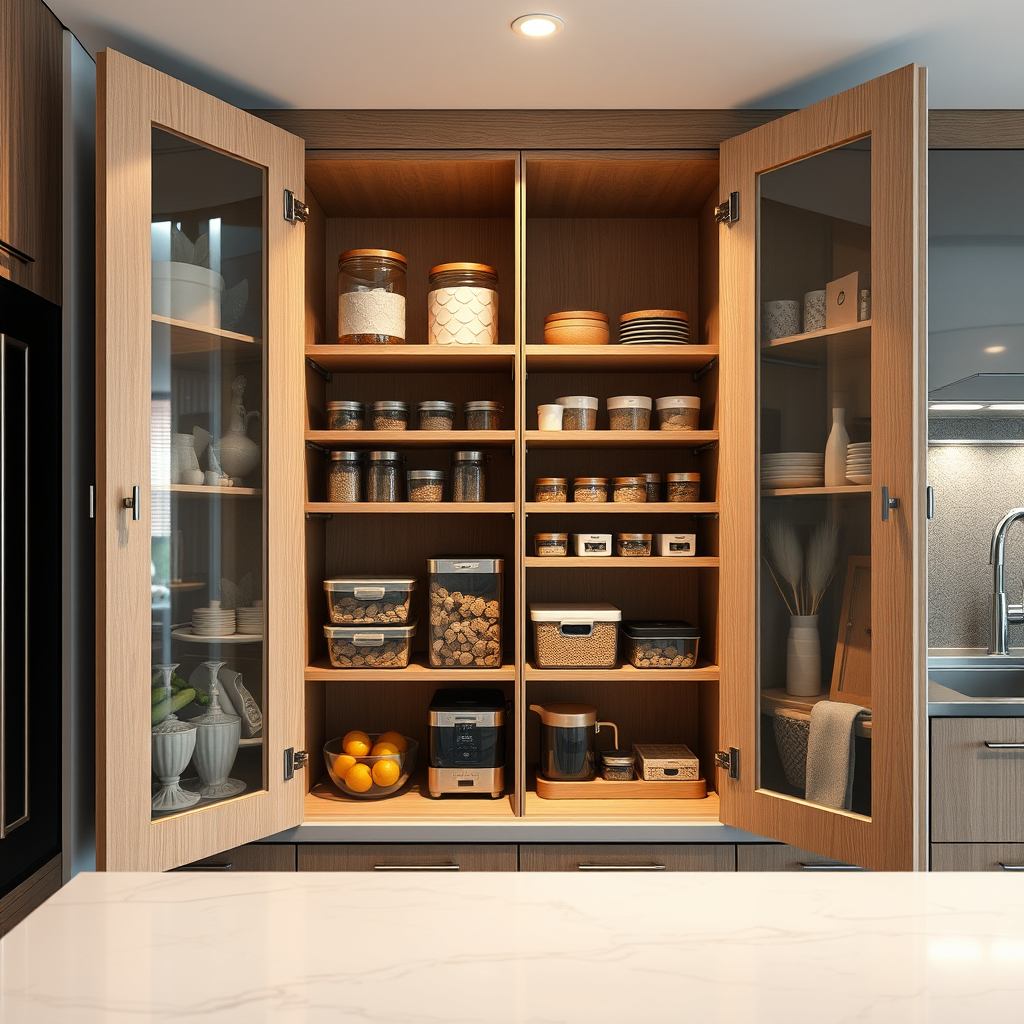
The kitchen is often one of the most used spaces in any home, and keeping it organized is essential for efficient cooking and meal preparation. However, with various kitchen items ranging from pots and pans to spices and utensils, achieving optimal kitchen cabinet storage organization can be challenging. A well-organized kitchen not only saves time but also enhances your cooking experience by making everything accessible and easy to find. This article explores practical and innovative ways to organize your kitchen cabinets, ensuring that your culinary sanctuary remains tidy, functional, and welcoming.
Understanding Your Kitchen Needs
Before diving into the organization process, it is crucial to understand your specific kitchen needs and habits. Every kitchen is unique, and what works in one home may not necessarily work in another. Start by taking inventory of what you have. This includes all your pots, pans, utensils, dishware, small appliances, and even food items. Consider how often you use these items and group them accordingly. Frequently used items should be easily accessible, while those for special occasions can be stored in harder-to-reach places. This prioritization helps in planning and utilizing your storage space effectively.
Declutter and Clear Out
Decluttering is an essential first step when organizing kitchen cabinets. By removing items you no longer use or need, you free up valuable space and make room for items that matter. Start by tackling one cabinet at a time, removing everything and evaluating each item critically. Ask yourself if you have used the item in the past year and if it fulfills a particular role in your kitchen. Items that don’t make the cut can be donated, recycled, or discarded. A decluttered kitchen not only looks cleaner but also makes organizing and maintaining order much easier.
Choosing the Right Storage Options
In organizing your kitchen cabinets, selecting the right storage solutions is key to limiting chaos and maximizing efficiency. There are two main types of storage options: adjustable shelving and built-in drawer systems. Both have their unique benefits and can be tailored to suit your kitchen’s needs.
| Feature | Adjustable Shelving | Built-in Drawer Systems |
|---|---|---|
| Flexibility | High; shelves can be moved to accommodate items of different heights | Moderate; drawers have fixed dimensions but can include varied organizers |
| Ease of Access | Good; visibility is high but requires reaching into cabinets | Excellent; pull-out design offers easy access to all items |
| Cost | Lower; generally requires less installation | Higher; involves more complex installation |
| Customization | Moderate; can add more shelves or change heights | High; allows for custom inserts and organizers |
Optimizing Shelf Space
Adjustable shelving offers an excellent way to optimize shelf space in kitchen cabinets. By adjusting shelf heights, you can accommodate larger items or create additional shelf spaces for items such as pantry staples. Consider incorporating shelf risers or under-shelf baskets to increase storage capacity further. Utilize stackable storage bins for smaller items that can be stacked vertically, maximizing vertical space. For deep cabinets, consider using lazy Susans to rotate items to the front swiftly.
Maximizing Drawer Storage
Built-in drawer systems are beneficial for accessing items like cookware and utensils quickly. Consider fitting your drawers with adjustable dividers to customize compartments for specific tools and supplies. Deep drawers can be utilized for pots and pans, while medium-sized ones can hold plates and bowls. If possible, install soft-close mechanisms to prevent slamming and prolong the life of the cabinetry. Remember to position the heaviest items in the lower drawers to maintain balance and ease of access.
Utilizing Door Storage
The inside of cabinet doors can provide additional storage opportunities. Attach hooks or small racks to store items such as measuring cups, pot lids, or cutting boards. Magnetic strips secured to the door can hold spice containers or metal kitchen tools. Utilize over-the-door baskets to hold cleaning supplies or dish towels, taking advantage of every available inch of space. This not only helps in decluttering the main storage spaces but also keeps these items within easy reach.
Grouping Similar Items Together
An essential principle in kitchen organization is grouping similar items together. Keep all your baking supplies in one area, spices in another, and pots and pans together. This organizational system allows you to know exactly where every item is, reducing the time spent searching through your cabinets. For larger sections, utilize bins or baskets with labels to categorize items further. This method is not only practical but also aesthetically pleasing, giving your kitchen a cohesive look.
The Role of Labels
Labels are an organizer’s best friend, helping maintain order and minimizing confusion. By clearly marking storage jars, bins, and shelves, you establish a place for everything. Consider using waterproof labels or chalkboard labels that can be written on and changed as needed. Additionally, labeling ensures that anyone in the household can find and return items to their designated spots, helping maintain the organization over time.
Incorporating Pull-Out Mechanisms
Installing pull-out mechanisms like sliding shelves or pantry pull-out systems can dramatically enhance accessibility in your kitchen cabinets. These systems allow you to reach items at the back of deep cabinets without having to rearrange the front items. Install pull-out racks for spices and condiments, making them clearly visible and easily accessible. Similarly, pull-out baskets or drawers can be used to manage items like appliances or bulky items that are otherwise difficult to reach.
Ensuring Proper Edibles Storage
Food items stored in cabinets require special attention to maintain freshness and prevent spills. Invest in airtight containers to store dry goods such as flour, cereals, or snacks. Clear containers are particularly beneficial because they let you see what you have and think of replenishing necessities before you run out. Closely monitor expiration dates by rotating food items regularly, placing newer items at the back. This method also helps in minimizing food waste and keeps your pantry organized and clean.
Check prices on Amazon
Maintaining the System
Once your kitchen cabinets are organized, maintaining the system is critical to ensure it doesn’t revert to chaos. Dedicate a small amount of time each week to tidy up the cabinets, returning items to their correct places and reorganizing as needed. Avoid the temptation of letting dishes or groceries pile up without returning them to their designated spots. Encourage all household members to adhere to the organizational system to maintain order and efficiency in your kitchen.
Frequently Asked Questions
How often should I reorganize my kitchen cabinets?
It’s advisable to review your kitchen organization every six months. However, declutter and reorganize immediately if you notice clutter building up or if you acquire new kitchen gadgets or appliances entailing different storage needs.
What’s the best way to organize a small kitchen?
In a small kitchen, every inch counts. Utilize vertical space to store items, incorporate pull-out shelves for deep cabinets, and consider the installation of wall-mounted racks to store often-used items like spices or utensils.
How can I prevent my spice cabinet from getting messy?
Organize spices in labeled containers and use a tiered shelf or lazy Susan for easy viewing and access. Consider grouping spices by type or frequency of use to make cooking more efficient.
How should I store pots and pans?
Store pots and pans inside deep drawers or a lower cabinet. Use a pot rack for lids or stack smaller pots inside larger ones to save space. Consider installing vertical dividers for easy access.
What is the best way to store cleaning supplies in the kitchen?
Cleaning supplies can be stored in a cabinet under the sink. Use bins or caddies to keep items organized and easy to grab. Ensure harmful substances are out of reach of children and pets.
How can I maximize corner cabinet space?
Corner cabinets can be optimized by installing Lazy Susans or corner drawers that rotate or pull out for easy access. Alternatively, use these spaces for storing large or less frequently needed items.
Should I store food in kitchen cabinets?
Non-perishable foods such as canned goods, grains, and dry snacks can be stored in kitchen cabinets. Ensure these items are in sealed containers to maintain freshness and organize them by type or expiration date.
How do I deal with deep cabinets?
Use pull-out shelves or bins with handles for deep cabinets to easily access items at the back. Alternatively, invest in a step-stool to reach higher shelves or hard-to-reach areas.
Final Thoughts
Organizing your kitchen cabinet storage requires careful evaluation of space and functionality, but the rewards are well worth the effort. By employing strategic decluttering, choosing suitable storage solutions, and maintaining a disciplined approach to organization, you can transform your kitchen into a well-functioning and delightful space. A well-organized kitchen not only streamlines meal preparation but also complements the overall aesthetic of your home. With these detailed strategies, you can create a kitchen environment that is both efficient and enjoyable.
