

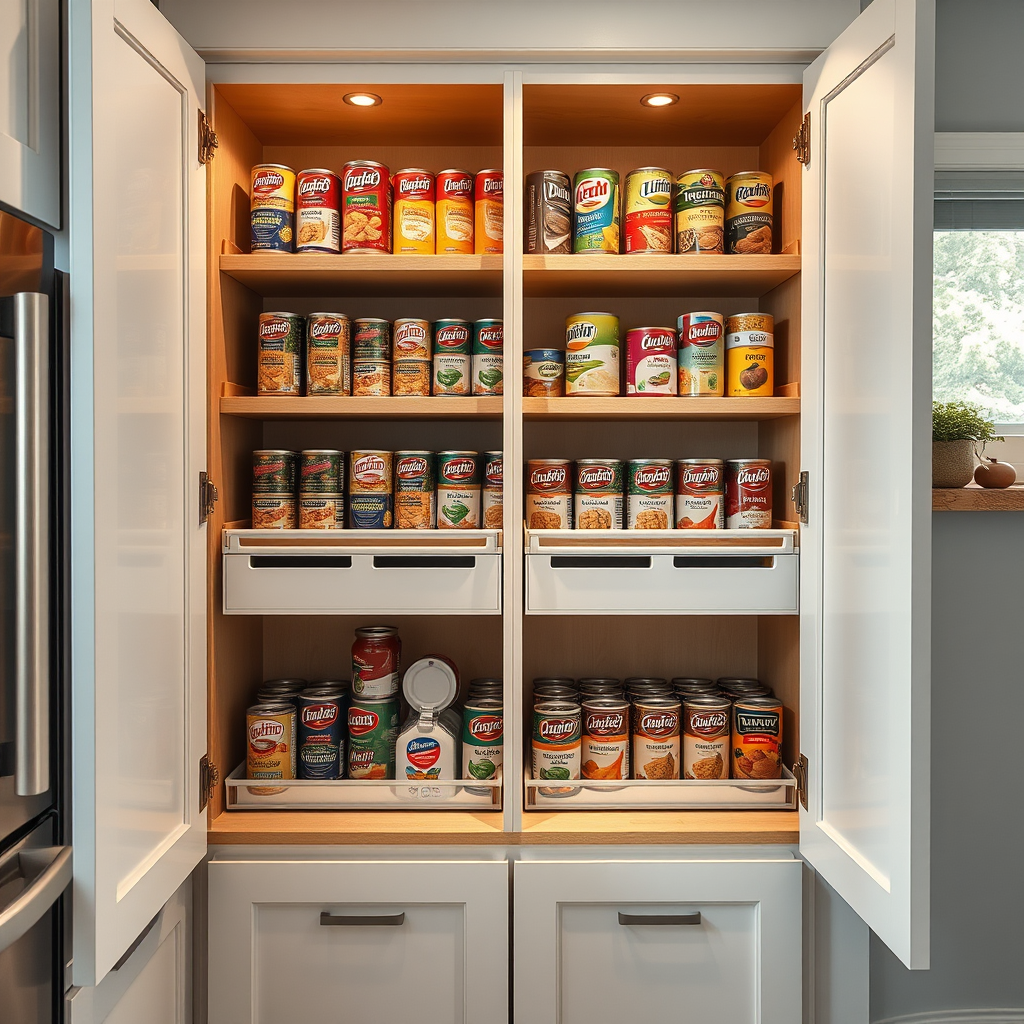
Organizing canned goods in your kitchen cabinets can seem like a mundane task, but executing it well can transform both the efficiency of your cooking and the overall aesthetics of your kitchen. Canned foods are convenient, economical, and have a long shelf life, making them a staple in many households. However, without proper organization, these valuable items can lead to clutter, confusion, and even wasted food. In this article, we will delve into the essential aspects of organizing canned goods effectively, ensuring that your canned items are not only easily accessible but also neatly stored. From understanding the types of canned goods to utilizing clever space-saving techniques, we aim to empower you to optimize your kitchen space.
| Organization Method | Pros | Cons |
|---|---|---|
| Labels and Bins | Easy access, clear categories | Additional cost for bins |
| Tiered Storage Systems | Maximizes vertical space | Requires upfront investment |
| Rotate Stock (FIFO) | Minimizes food waste | Needs attention to detail |
| Clear Containers | Visual transparency | Can be fragile |
| Kitchen Cabinet Shelves | Utilizes existing space | Depth can lead to forgotten items |
1. Assess Your Collection of Canned Goods
- Begin by taking all canned goods out of the cabinets.
- Check expiration dates and dispose of any expired cans.
- Group similar items together such as vegetables, meats, sauces, and soups.
2. Choose the Right Storage Area
- Assess cabinet space to determine the best areas for storing canned goods.
- Consider open shelving for visually striking display options.
- Utilize deep cabinets for less frequently used items.
3. Utilize Clear Bins and Labels
- Purchase transparent bins to keep cans organized.
- Label each bin according to the type of contents.
- Use waterproof or removable labels for easy updating.
4. Invest in Tiered Storage Solutions
- Look for tiered shelf organizers designed specifically for canned goods.
- These organizers allow for better visibility and access to the back of the shelves.
- Consider adjustable units to cater to different can sizes.
5. Practice FIFO (First In, First Out)
- Position newer cans toward the back and older cans at the front.
- Regularly check your stock to keep the rotation effective.
- This method not only keeps your food fresh but also prevents waste.
6. Vertical Space Optimization
- Install additional shelves if space permits.
- Use stackable bins for better height management.
- Hang magnetic containers on the side of your refrigerator for spices or smaller items.
7. Drawers for Canned Goods
- Consider installing pull-out drawers in cabinets for easy access.
- Use drawer organizers to keep cans from rolling around.
- Drawers can be a visual and practical solution for keeping items concealed but accessible.
8. Maintain a Clean and Clutter-Free Space
- Regularly go through your canned goods to check for any items needing replacement.
- Plan a bi-annual cleaning to maintain an organized space.
- Encourage family members to help with organization to create a shared responsibility.
9. Casual Inventory Management
- Keep a running list of canned goods you have on your phone or on a kitchen whiteboard.
- Update this list after every grocery shopping trip.
- Use it to remind yourself of what to buy or use up during meal planning.
10. The Role of Accessibility
- Organize cans at eye level for easy access and visibility.
- Store less frequently used items on higher or lower shelves.
- Make sure all family members know how to access and return cans to their designated places.
11. Additional Tips for Stocking Canned Goods
- When possible, choose cans with the same diameter to maximize space efficiency.
- Consider donating any excess or unwanted canned goods to local food banks.
- Stay aware of seasonal sales to stock up and rotate effectively.
12. Aesthetic Considerations
- Integrate culinary herbs or decorative items on shelves for visual appeal.
- Mix and match colors of labels for artistic flair.
- Choose storage options that match your kitchen’s style for a cohesive look.
FAQs
- How often should I clean and rearrange my canned goods? It’s beneficial to do a thorough check every six months, but an occasional check during standard cleaning is recommended.
- What should I do with expired canned goods? Dispose of expired cans responsibly, following local recycling guidelines.
- Is it safe to eat canned goods after their expiration date? While many canned goods may still be safe and edible for a while, it’s best to prioritize newly purchased items and adhere to expiration dates.
- Can I store canned goods in a pantry? Yes, pantries are excellent for storing canned goods as long as they are cool and dry.
- What is the best way to stack cans? Store similar sizes together and consider placing them vertically in tiered shelves for better usability.
- Should I remove labels from cans? It’s not necessary to remove labels unless it’s for visual organization; the labeling provides important information about the product.
- How do I prevent rusting on canned goods? Store your cans in a dry space and rotate them regularly to prevent moisture build-up.
- Can I freeze canned goods? No, canned goods should not be frozen in their metal containers; instead, transfer contents to a freezer-safe container.
Final Thoughts
Organizing your canned goods can be a straightforward yet rewarding undertaking. By assessing your collection, utilizing smart storage solutions, and maintaining a system for rotation, you can ensure that your kitchen remains functional, efficient, and aesthetically pleasing. Remember that an organized pantry is not just about aesthetics; it’s about making your cooking experience smoother and minimizing food waste. With the tips and strategies outlined in this article, you can tackle your canned goods and create a kitchen that works for you.
